


Northern Germany’s coastline offers a surprisingly wide choice of beach holidays, from dune-backed North Sea islands lashed by Atlantic weather to calmer Baltic bays with classic resort promenades. For travelers comparing Rügen, Sylt, Timmendorfer Strand and other coastal spots, the key questions are usually the same: Which beaches are best for families and swimming, where are the most atmospheric seaside towns, and where can you still find a quiet stretch of sand outside the crowds? This guide walks through the main regions and gives concrete examples so you can match the right German beach to your style of trip.
Baltic or North Sea: How the Coasts Really Differ
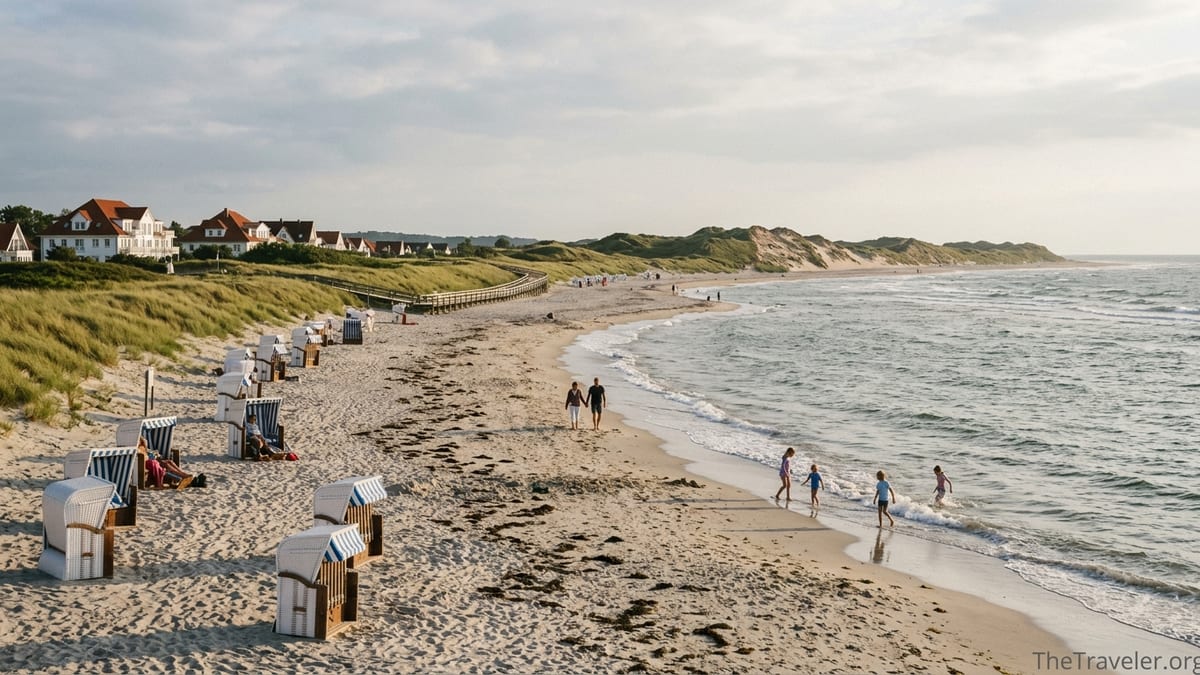
The first choice most travelers face is whether to base themselves on the milder Baltic Sea or the wilder North Sea. The Baltic coast, including Rügen and Timmendorfer Strand, is generally calmer and more predictable for swimming. Water temperatures in July and August often reach the low twenties Celsius, and many bays are shallow, which suits children and less confident swimmers. Long sandy beaches are lined with traditional Strandkörbe, the hooded wicker beach chairs you rent by the day or half day, usually for around 10 to 20 euros depending on location and season.
The North Sea, where Sylt is the star, feels more dramatic. Stronger winds, bigger waves and noticeable tides create a very different atmosphere. Here, you deal with tidal flats and sometimes brisk, cool days even in mid summer. The payoff is wide dune landscapes, powerful sunsets and a sense of open space. Many German visitors come specifically for this rugged feel and for long beach hikes rather than just swimming.
In practice, this means Baltic resorts such as Binz on Rügen or Timmendorfer Strand are better if your priority is family swimming, promenade cafés and classic seaside hotels within a short walk of the sand. The North Sea fits travelers who want surf lessons, long walks in the wind and more upscale or design-focused hideaways. It is entirely possible to combine both on a longer trip, for example a week on Rügen followed by a few nights on Sylt reached by train and car shuttle.
Transport can be a deciding factor. Baltic destinations like Timmendorfer Strand are reachable from Hamburg in around 90 minutes by train with a simple change in Lübeck, while Sylt sits further north and often requires advance booking on the car train or long distance rail. Rügen, on the other hand, is connected to the mainland by a bridge and causeway, making it accessible by direct trains as well as by car from Berlin or Hamburg.
Rügen: Classic Baltic Island for Families and Scenery
Rügen is Germany’s largest island and one of the country’s most established seaside destinations. Its long sandy beaches, chalk cliffs and string of resort towns appeal to families, walkers and anyone who likes a mix of nature and traditional spa architecture. The main resort strip runs along the east coast, where towns such as Binz, Sellin, Baabe and Göhren share a similar formula of white villas, a central pier, and long, gently shelving sands.
For a balanced base, Binz is the obvious choice. The bay here is wide and shallow, ideal for children, and the beach is carefully managed with lifeguards in season, changing cabins and beach kiosks selling typical northern German snacks. Family friendly hotels sit right behind the promenade; a mid range room in a seafront hotel or apartment in July might run around 150 to 250 euros per night, with many places offering half board arrangements so you can step straight from breakfast onto the sand.
Just north of Binz, the six kilometre beach of Prora runs along Prorer Wiek and is noticeably quieter once you walk away from the new apartment clusters. The sand is just as fine and the water just as shallow, but the atmosphere is more relaxed, and there is space to spread out even in school holidays. Here you find a mix of renovated seafront blocks, simple guesthouses and campervan sites hidden behind the pines. This can work well for families with older children who appreciate both the space and the historical story of the former seaside complex behind the dunes.
Further south, Baabe and Göhren feel more intimate. The beaches are shorter, and the villages themselves have a low rise, almost village like character with bakeries, small supermarkets, cycle rental and playgrounds. Many German families book self catering apartments here for a week or longer and rely on bikes to shuttle between beach, forest and the narrow gauge Rasender Roland steam railway that links the resorts. If you want a quieter stay without sacrificing easy swimming, Baabe in particular is a good place to look for accommodation.
Sylt: North Sea Drama With Upscale Flair
Sylt is the northernmost German island and often marketed as the Queen of the North Sea. Its defining feature is a west coast of almost unbroken sand stretching for around 40 kilometres, backed by dunes and heath. The sea here is rougher than on the Baltic, the sky often filled with fast moving clouds, and tides carve broad wet sand flats at low water. This is less of a splash in the shallows destination and more of a place for brisk walks, surf schools and long afternoons sheltered in a Strandkorb.
The town of Westerland serves as the main arrival point by train and car train. Its central beach is wide, busy and practical, with lifeguards, rental booths for chairs and boards, and direct access to pedestrian shopping streets lined with cafés and bakeries. Prices reflect Sylt’s popularity: a standard double room in a mid range hotel a few minutes from the beach in high summer can easily reach 200 to 300 euros per night, and a day’s rental of a Strandkorb on the more in demand sections may sit in the 15 to 25 euro bracket.
For a slightly more relaxed vibe, Wenningstedt and the resort town of Kampen further north offer wide beaches with a mix of family and stylish clientele. Kampen in particular is known within Germany for its high end restaurants, beach clubs and thatched roof villas. Yet walk beyond the main access points and you can still find sections of beach where you share the view mostly with dog walkers and kite flyers. Many visitors here favor holiday apartments or thatched holiday houses set back from the shore rather than large hotels.
On the east side of Sylt the shore faces the shallow Wadden Sea, part of a UNESCO listed national park. Tidal flats, birdlife and guided watt walks at low tide provide an alternative to surf and sand days, and are particularly interesting for school age children. When planning a trip, it is worth checking ferry or train timetables carefully and booking car transport early in peak weeks, as weekend slots onto the causeway can sell out.
Timmendorfer Strand & Lübeck Bay: Easy Baltic Breaks
For travelers looking for a short break from Hamburg or Lübeck rather than a full island holiday, the Bay of Lübeck on the Baltic is a practical option. Timmendorfer Strand sits at the center of this coast and functions as a classic resort town, with a landscaped promenade, modern spa hotels and several kilometres of soft sand. The beach here shelves gently, with calm water on most summer days, and there are multiple supervised swimming sections as well as areas geared to water sports.
Timmendorfer Strand and its neighbor Niendorf offer a wide range of accommodation, from large seafront hotels with indoor pools and saunas to smaller guesthouses a few streets back. In July and August, a mid range double room close to the beach might cost from around 140 euros per night, with seafront wellness hotels charging more. Many German families book two or three nights rather than a full week, using the area as a base for excursions to Lübeck’s old town or the nearby sea cliffs at Brodtener Ufer.
Infrastructure is one of the strong points here. You can arrive by regional train from Lübeck, walk or take a local bus to your hotel, and rely on seaside promenades and bicycle paths for most local movement. The beaches have plenty of kiosks, ice cream stands and playgrounds, and rental for a Strandkorb generally starts from around 12 euros a day. For budget travelers, nearby Scharbeutz or the simpler Baltic stations along the same stretch can offer slightly lower prices while sharing much of the same sandy shoreline.
Water quality and safety are a frequent concern for families. Official testing in recent seasons has consistently rated the bathing water along the Bay of Lübeck as good to excellent, and local authorities mark supervised zones and post flags to indicate conditions. For younger children, the broad, shallow areas close to the main promenade are usually recommended, while older teenagers gravitate toward sections where stand up paddleboard and windsurf rental is available.
Quieter Alternatives: Darss, Hiddensee and Schaabe
While Rügen, Sylt and Timmendorfer Strand receive much of the marketing attention, northern Germany still offers quieter options for travelers prioritizing space and nature over nightlife and shopping. One of the best known among German visitors is the Darss peninsula on the Baltic, part of the Western Pomerania Lagoon Area National Park. Here, the so called Weststrand stretches in front of dense forest, and beach access often involves a walk or bike ride through pines and dunes. Facilities are modest, with a few kiosks and seasonal lifeguard posts, so this area fits independent travelers and cyclists more than those looking for resort comfort.
Just off the coast of Rügen, the car free island of Hiddensee draws visitors who value quiet sand paths, dune landscapes and low key holiday houses. The beaches on the west coast of the island tend to be long, relatively empty and perfect for long walks, especially outside school holidays in May, June and September. Accommodation here ranges from family run pensions to simple apartments, and prices are often slightly lower than on Sylt or in the smartest parts of Rügen, although demand remains high in peak summer.
Even on Rügen itself, you can find quieter beaches by looking beyond the main resort towns. The Schaabe, a long narrow spit of land linking the Wittow peninsula with the rest of the island, offers many kilometres of sand with fewer built up areas. Access is usually via forest parking lots or bike paths, and services are limited to seasonal food trucks, sanitary blocks and occasional lifeguard stations. Travelers who are happy to bring their own picnic and beach equipment will find ample space here even in August, along with views across the Baltic in both directions.
These quieter options work particularly well for repeat visitors who have already experienced the main resorts and now prioritize landscape and tranquillity. They also suit people traveling outside the main July and August weeks, when a coastal hike combined with time in a simple seaside café can be just as appealing as a classic beach day.
Choosing the Right Beach for Families, Swimming and Hotels
Putting it all together, certain destinations stand out for specific types of trips. For families with younger children who want easy access to the sand, shallow swimming and plenty of ice cream, the Baltic wins in most cases. Binz, Baabe and Göhren on Rügen, along with Timmendorfer Strand on the Lübeck Bay, combine gentle waves, supervised zones and a dense network of cafés, playgrounds and mini golf courses. Many hotels and guesthouses here provide family rooms, children’s menus and indoor pools for cooler days.
Older children and teenagers who enjoy activity might prefer the North Sea islands, particularly Sylt. Westerland and Wenningstedt host surf schools, beach volleyball courts and events programs in summer, from open air concerts to kite festivals. The waves and wind create more of a challenge in the water, and the long tide line leaves space for games and sports. Parents should, however, pay close attention to flagged bathing areas and local safety advice, as currents can be strong in some sections.
For couples or solo travelers in search of scenery and a sense of place, the choice can be more finely balanced. Rügen offers the combination of beaches and the famous white chalk cliffs of Jasmund National Park, along with lakes and forests inland. Sylt pairs its dunes with upscale restaurants, wine bars and thatched roof architecture in villages like Kampen and Keitum. Timmendorfer Strand, meanwhile, allows you to combine Baltic sunsets with day trips to Lübeck’s brick Gothic churches and café culture.
When it comes to accommodation, budgets matter. As a general rule, Sylt is the most expensive of the major destinations, particularly in July and August and around public holidays. Rügen usually offers a broader range of prices, from simple pensions under 100 euros per night in smaller villages to luxury spa hotels close to or above 300 euros per night in top resorts. The Lübeck Bay resorts sit in between, with good value mid range hotels and apartments if you book early outside national school holidays.
The Takeaway
Northern Germany’s beaches may not offer tropical temperatures, but they compensate with long days of northern light, quietly atmospheric resorts and varied coastal landscapes. The key decision is whether you are drawn more to the calmer Baltic waters of Rügen and Timmendorfer Strand or to the open horizons and tides of the North Sea islands such as Sylt.
For most first time visitors with children, a Baltic resort will feel straightforward and accessible. Those returning for a second or third trip often branch out to quieter peninsulas or to the North Sea for a change of mood. In every case, booking early for peak summer, checking local transport and being realistic about weather variability will help you get the best from northern Germany’s shore. With its mix of sand, dunes, villas and villages, this coastline supports everything from bucket and spade holidays to contemplative off season walks in the wind.
FAQ
Q1. Is the Baltic Sea or North Sea better for swimming with children?
The Baltic Sea is usually better for children, with calmer water and many shallow bays at places like Binz, Baabe and Timmendorfer Strand.
Q2. When is the best time to visit Rügen or Sylt for a beach holiday?
The main beach season runs from late June to early September, with the warmest water typically in late July and August, though weather can still be changeable.
Q3. Are German beach resorts expensive compared with southern Europe?
Prices on Sylt can exceed some Mediterranean resorts, while Rügen and Timmendorfer Strand often offer mid range hotel and apartment options at more moderate rates.
Q4. Do I need a car to enjoy Rügen, Sylt or Timmendorfer Strand?
A car is useful but not essential. All three areas are served by regional trains and buses, and many resorts are walkable or easy to explore by bike.
Q5. Can I rely on good weather in northern Germany in summer?
Summers can be warm and sunny, but conditions are variable. Even in July and August, pack layers and a light waterproof jacket alongside beachwear.
Q6. Are there quiet beaches that are still suitable for families?
Yes. Sections of Prora on Rügen, parts of the Schaabe and less central stretches around Wenningstedt or Kampen on Sylt can feel quieter yet remain family friendly.
Q7. How far in advance should I book accommodation on Sylt or Rügen?
For peak dates in July and August, booking several months ahead is advisable, especially for seafront hotels, family apartments and houses with sea views.
Q8. Are the beaches accessible for travelers with limited mobility?
Many larger resorts provide level promenade access, beach ramps and accessible toilets, but smaller and wilder beaches often have dunes and steps, so check in advance.
Q9. Can I combine Baltic and North Sea beaches in a single trip?
Yes. Many travelers pair a week on Rügen or in Lübeck Bay with a shorter stay on Sylt, using trains and regional connections through Hamburg or Kiel.
Q10. Are there family friendly activities beyond the beach itself?
Beyond swimming, families can enjoy cycling, boat trips, seal or bird watching excursions, adventure playgrounds and visits to nearby historic towns such as Lübeck or Stralsund.