


Northern Germany’s coast links red-brick Hanseatic cities with long Baltic beaches, UNESCO-listed harbours and the chalk cliffs of Rügen. With dense rail connections, modern motorways and year-round ferry services, it is easy to combine Hamburg, Lübeck, the Lübeck Bay resorts, Stralsund and Rügen in one compact itinerary. This guide lays out 5, 7 and 10 day options, compares train and car planning, and highlights concrete choices for where to stay, how long to linger and how to add optional North Sea detours such as Cuxhaven.
Why Northern Germany’s Coast Works as One Trip
The stretch between Hamburg and Rügen compresses a lot of contrasts into a relatively small area. In the space of a week you can move from the Elbe-side warehouses and nightlife of Hamburg to the medieval gabled facades of Lübeck, then on to family-friendly Baltic resorts such as Travemünde and Timmendorfer Strand with their long sandy beaches and classic striped beach chairs. Further east, the brick Gothic skyline of Stralsund fronts an old harbour that now serves as the main gateway to Germany’s largest island, Rügen, with its chalk cliffs and seaside villas.
Practical infrastructure makes this route straightforward even for first-time visitors. Frequent regional trains link Hamburg and Lübeck in about 40 to 45 minutes, with onward trains to Travemünde on the Baltic, while long-distance and regional services from Stralsund run across the Strelasund causeway to Rügen’s main resorts such as Bergen, Binz and Sassnitz in roughly 30 to 60 minutes depending on the service. Drivers benefit from well-maintained autobahns such as the A1 from Hamburg to Lübeck and the A20 along the Baltic corridor, with plenty of roadside service areas.
Costs remain relatively manageable compared with Germany’s larger cities. A midrange hotel room in Lübeck or Travemünde commonly runs around 110 to 160 euros per night in high summer, dropping outside school holidays, while guesthouses and holiday apartments on Rügen start around 90 to 130 euros depending on location and season. Food ranges from informal fish rolls on the harbour for a few euros to three-course dinners of Baltic fish in brick vault restaurants at about 35 to 50 euros per person excluding drinks.
Seasonality is the key context for planning. July and August bring the warmest sea temperatures and the busiest beaches, especially around school holidays, when you should book Rügen and prime Baltic resorts several months ahead. May, early June and September can be excellent for travelers who care more about walking, cycling and sightseeing than swimming, with milder crowds and somewhat softer prices. Winter has a stark, quiet charm in old town centres like Lübeck and Stralsund but involves short days and bracing winds along the coast.
Train Versus Car: How to Move Along the Coast
For many itineraries along this corridor, regional and long-distance trains are the most relaxed option. Hamburg to Lübeck is handled by regional express services that generally take well under an hour and run at least hourly across the day from Hamburg’s central station. From Lübeck, branch-line trains continue to Lübeck-Travemünde Strand, where the station is a short walk from the main beach, which makes day trips to the Baltic exceptionally convenient for visitors who do not want a car.
Further east, Stralsund and Rügen are linked by a mix of regional trains and occasional long-distance Intercity trains. Services from Stralsund to Ostseebad Binz or Sassnitz on Rügen typically run at roughly hourly intervals during the day, with journey times starting around 40 minutes depending on route and stops. For travelers coming from Hamburg, a common rail pattern is Hamburg to Rostock or directly via Lübeck and then onward to Stralsund, with one or two changes. Rail passes such as Germany’s current nationwide monthly ticket products or state-specific day tickets for Schleswig-Holstein and Mecklenburg-Vorpommern can keep costs down if you stay mainly on regional trains.
Driving offers more flexibility if you want to stitch together smaller coastal towns, stop at viewpoints and carry beach gear or family luggage. The A1 runs from Hamburg towards Lübeck and the Baltic, while the A20 skirts along the northern edge of Mecklenburg-Vorpommern, feeding into exits for towns like Stralsund. On Rügen, main roads connect the bridgehead near Stralsund with Bergen, Binz and Sassnitz, but summer traffic can be slow on Saturdays when rentals change over, especially on the approach roads to Binz and the popular Jasmund National Park.
A hybrid approach works well in practice. Some travelers rent a car in Hamburg for a few days to explore Lübeck, the Baltic beaches and rural stretches around Wismar and Rostock, then drop it in Rostock or Stralsund and continue by train across to Binz, Sassnitz or other Rügen resorts where parking can be tight and local buses and resort trains cover short hops. Others rely fully on the rail network and local buses and accept slightly longer transfer times in exchange for not dealing with traffic or parking charges in busy summer towns.
5-Day Express Itinerary: Hamburg, Lübeck and a Taste of the Baltic
With five days, the focus is on Hamburg, nearby Lübeck and an introductory taste of the Baltic beaches without stretching travel days too far. One practical pattern is to spend days one and two based in Hamburg, exploring the Elbphilharmonie area, the warehouse district and harbourfront, and perhaps adding a short harbour tour or a visit to the St Pauli neighbourhood in the evening. Day passes from the local transport network make it simple to hop between sights, and central districts such as St Georg or the areas around the central station and Jungfernstieg offer a wide choice of hotels.
On day three, move to Lübeck by morning train or car. Leaving Hamburg after breakfast, you can be standing under Lübeck’s Holstentor gate before lunch. The compact old town encourages walking between the marzipan shops, brick churches and small museums housed in former merchants’ homes. Staying overnight in a historic inn or a modern hotel just outside the old town walls gives you a full evening to enjoy the illuminated facades reflected in the Trave river.
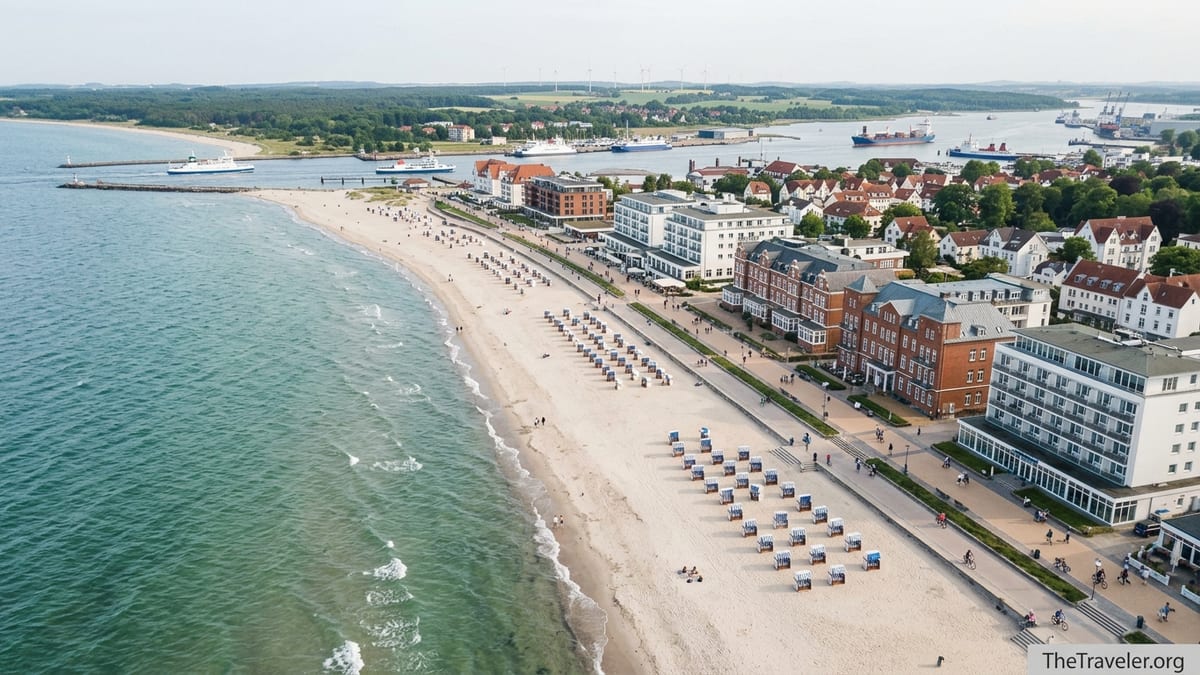
Day four can be dedicated to the Baltic shoreline of the Lübeck Bay. From Lübeck station, direct regional trains take you to Travemünde in around 20 to 30 minutes. Here a 4.5 kilometre curve of sand runs from the mouth of the Trave river towards the Brodtener Steilufer cliffs, with separate family, dog and clothing-optional sections in season and rental beach chairs arrayed along the Kurstrand in front of the promenade. In summer there is usually a small user fee for certain beach sections during the day, while in the shoulder season access is more often free.
On day five, decide between a second Baltic beach, such as nearby Timmendorfer Strand with its lively promenade and sports-focused beach club, or a leisurely half day in Lübeck’s old town before heading back to Hamburg or onward to your next destination. Timmendorfer Strand lies roughly 15 kilometres north of Lübeck and combines a long sandy beach with a busy promenade of cafes, boutiques and ice cream stands. Regional buses and in-season boat services operate along the coast, while drivers can reach Timmendorfer Strand in around 20 minutes from Lübeck in normal traffic.
7-Day Classic Route: Adding Stralsund and Rügen
A week allows time to reach the more distant highlights of Stralsund and Rügen without rushing. One workable pattern is to spend the first two nights in Hamburg as above, then transfer to Lübeck on day three for one night in the medieval city, using the afternoon and evening to explore. On day four, dedicate the morning to Travemünde or another Lübeck Bay resort and then continue by afternoon train or car towards Stralsund, arriving in time for dinner along the harbour.
Stralsund rewards at least one full day. The brick churches, cobbled squares and gabled warehouses speak to its Hanseatic past, and the redevelopment of the harbour has brought in attractions such as maritime museums and repurposed warehouses with restaurants and small hotels. Many travelers choose to overnight here either in a harbour-front hotel with views of the Rügen bridge or in a guesthouse in the old quarter, both of which leave you within walking distance of evening strolls along the water.
From Stralsund, allocate days six and seven to Rügen. Trains cross the causeway and continue to major stops such as Bergen, Binz and Sassnitz. Binz offers a combination of a broad sandy beach, classic resort architecture and a lively promenade, while Sassnitz sits closer to the chalk cliffs and forested plateau of Jasmund National Park. Bus routes and walking trails connect Sassnitz with the clifftop viewpoints above the famous white cliffs and the cruise pier for short coastal boat trips that show the coastline from the water.
Depending on departure plans, you can either base yourself entirely in one Rügen resort and make day trips to the other, or split nights between Binz for beach time and Sassnitz for nature and walks. On the final day, morning trains take you back to Stralsund and on towards Hamburg, often with a change in Rostock or Lübeck. Drivers retrace the A20 and A1 corridor towards Hamburg, allowing for photo or lunch stops along quiet stretches of coast if time allows.
10-Day Slow Itinerary With North Sea Options
With 10 days, travelers can slow the pace, add extra Baltic stops and consider a North Sea side trip from Hamburg. One option is to begin with three nights in Hamburg, giving you two full days for urban sightseeing plus a day trip to the North Sea spa town of Cuxhaven. Regional express trains connect Hamburg and Cuxhaven at the mouth of the Elbe in roughly two hours, and several ferry and boat operators run seasonal cruises along the estuary. In Cuxhaven, beach districts such as Duhnen provide access to the Wadden Sea mudflats at low tide, with guided walks available in season.
Days four and five can focus on Lübeck and its bay. After a morning transfer to Lübeck, you have an afternoon and evening to wander the old town, then spend all of day five on the Baltic. If weather is settled, you might combine Travemünde in the morning with a bus or coastal walk towards Niendorf and Timmendorfer Strand in the afternoon, taking in stretches of promenade and cliff-top paths that look out over the Lübeck Bay. Evening returns to Lübeck are straightforward by regional train or bus.
On days six and seven, shift the base to Stralsund. Travelers by train might connect via Rostock, while drivers can follow the A20 eastwards. Two nights in Stralsund allow for a full day split between the old town and harbourfront, plus time for a short harbour cruise or a visit to maritime-themed museums. In the evenings, restaurants in warehouse buildings along the water serve local fish dishes, often with views across to the Rügen bridge and causeway.
The final three days are best used on Rügen itself. Choose a primary base such as Binz, which combines broad beaches, a long pier and plenty of accommodation options, and add outings to nearby highlights. One day could be dedicated to Jasmund National Park, with its chalk cliffs and beech forest trails above the Baltic. Another might focus on the cumulative resort architecture along the island’s east coast or a steam-hauled ride on the Rasender Roland heritage railway that links several resort towns. With 10 days overall, you retain flexibility to adjust the balance between city time, beach relaxation and walking along the Baltic coastline.
Choosing Bases: Where to Sleep Along the Route
Base selection shapes the character of the trip. Hamburg works well as an arrival and departure hub with strong rail and air links and a big accommodation range from large chain hotels around the central station to boutique properties in HafenCity and apartment rentals in neighbourhoods such as Ottensen. Travellers with early trains may prefer central locations to simplify morning departures, while those staying several nights might choose a quieter district along the Alster lake.
In Lübeck, many visitors aim for hotels or guesthouses within or just outside the old town island, to be able to walk easily between sights. Properties in converted merchants’ houses combine historic atmosphere with modern amenities, while contemporary hotels cluster near the main station and on the mainland opposite the old town. For those who prioritise sea views over medieval streets, staying directly in Travemünde or Timmendorfer Strand is attractive, especially in summer, though prices are often higher on peak-season weekends.
Stralsund offers a mix of harbourfront hotels that look across to the Rügen bridge and smaller inns in side streets of the UNESCO-listed old town. Staying by the water brings evening views of illuminated sailing ships and working harbour craft along the quays, whereas accommodation deeper inside the old town tends to be quieter at night, particularly outside holiday periods. Many properties include breakfast, which is convenient in a town where mornings often start with early ferry or boat departures.
On Rügen, resort towns such as Binz, Sellin and Baabe have a high concentration of hotels, pensions and self-catering apartments. Binz is one of the liveliest options, with a long promenade of cafes and restaurants behind the beach, while Sassnitz appeals to visitors who want easier access to the chalk cliffs and quieter evenings. During school holidays, many accommodations operate with minimum stays of several nights, which makes advance booking especially important if you are targeting specific properties or sea-view rooms.
Budgeting and Practical Tips for Coastal Travel
Budget planning along this route hinges on transport choices and time of year. Using regional trains and existing nationwide monthly passes or regional day tickets can keep daily transport costs modest, especially on a route such as Hamburg to Lübeck return or Lübeck to Travemünde. Long-distance tickets to or from Stralsund and Rügen can be economical if booked in advance with restricted fares, though these tie you to specific trains. Drivers should factor in fuel for the A1 and A20 segments, potential toll-style fees for certain tunnels or bridges on side trips, and parking charges in city centres and resort towns, which can be significant in summer.
Food and drink budgets can be adjusted by alternating between simple harbour snacks and sit-down meals. At nearly every port and promenade, kiosks sell Fischbrötchen, fresh fish rolls typically priced under 10 euros, while many bakeries and cafes offer breakfast deals with coffee, bread and cheese or cold cuts for around 8 to 12 euros. Evening meals in midrange restaurants might run to 25 to 35 euros per person for a main course and a drink, with higher totals in more upscale waterfront venues.
Weather flexibility is important. Even at the height of summer, the Baltic and North Sea coasts can experience breezy, cooler days with showers. Packing windproof layers, light rain jackets and closed shoes for coastal walks will make days at the Brodtener Steilufer near Travemünde or the chalk cliffs of Rügen more comfortable. In cooler months, shorter daylight hours mean it is worth clustering longer drives or longer train legs in midday and keeping evening plans within walking distance of your accommodation.
Finally, consider local rules that affect beach access and activities. Many Baltic resorts charge a modest per-person beach fee during the main season, collected either at entry points or through local guest cards provided by accommodations. Specific zones are designated for dogs, water sports or clothing-optional bathing, and lifeguard coverage is generally concentrated around family sections. Observing these local structures helps maintain the balance between relaxed holiday use and the environmental demands of these fragile coastal areas.
The Takeaway
Linking Hamburg, Lübeck, the Baltic beaches, Stralsund and Rügen into a single route creates a Northern Germany itinerary that balances city culture with long coastal horizons. In as little as five days you can move from Elbe-side warehouses to Lübeck’s Gothic brick and a first glimpse of the Baltic, while a full week or 10 days adds the Hanseatic harbour of Stralsund, the chalk cliffs and resorts of Rügen and even an optional North Sea day out to Cuxhaven.
Both train and car travel work well along this corridor, and many visitors mix the two, driving the more rural stretches and relying on rail and local buses where coastal traffic and parking become more of a concern. Concrete choices about where to base yourself, how much time to allow for each stop and whether to add the North Sea depend on your priorities, but the underlying structure of frequent trains, modern roads and established beach resorts keeps logistics approachable.
For travellers willing to plan around seasonality, book key nights early and build in flexibility for changing weather, Northern Germany’s coast offers a high-intent route that feels rich without being overwhelming. From Hamburg’s skyline to Rügen’s cliffs, this is a journey that rewards both first-time visitors and repeat travellers looking to link familiar cities with new stretches of coastline.
FAQ
Q1. Is it realistic to visit Hamburg, Lübeck, Stralsund and Rügen in just five days?
With five days you can comfortably include Hamburg, Lübeck and at least a day trip to the Lübeck Bay beaches, but reaching Stralsund and Rügen makes the schedule tight. Most travellers who want meaningful time on Rügen prefer at least seven days so that long transfers do not dominate the trip.
Q2. Do I need to rent a car for this itinerary or is train travel enough?
Train travel is sufficient for most travellers, especially on the Hamburg–Lübeck–Travemünde and Stralsund–Rügen sections, which are well served by regional and occasional long-distance trains. Renting a car adds flexibility for smaller villages, viewpoints and spontaneous stops, but it is not essential for the core route.
Q3. When is the best time of year to do this Northern Germany coast itinerary?
The warmest swimming conditions are usually from late June to late August, when beaches are busiest and prices highest. For a balance of milder crowds, comfortable sightseeing weather and reasonable prices, many travellers choose May, early June or September.
Q4. How many nights should I spend on Rügen itself?
Two nights on Rügen is a practical minimum if you want to see both a resort town such as Binz and natural highlights like the chalk cliffs. With three or four nights you can slow the pace, add coastal walks, explore several resorts and use a day for excursions such as the Rasender Roland heritage railway.
Q5. Are beach fees common along the Baltic coast near Lübeck?
Yes, many Baltic resorts around Lübeck Bay charge modest per-person beach fees in the main season, often collected via local guest cards issued by accommodations or at beach entrances. In the shoulder seasons and winter, access is more often free, though services such as lifeguards and rental beach chairs may be reduced.
Q6. Can I visit both the Baltic and the North Sea on a single trip based in Hamburg?
It is possible to sample both coasts in a single itinerary. A common pattern is to use Hamburg as a base for a day trip by train to Cuxhaven on the North Sea and then dedicate several subsequent days to Lübeck and the Baltic beaches, or to insert the Cuxhaven side trip into a longer 10 day route.
Q7. Is swimming in the Baltic Sea comfortable, and what about water safety?
In summer, Baltic Sea water temperatures are usually cool but swimmable for most people, especially in sheltered bays. Many resorts have lifeguard-supervised zones, clear markings for bathing areas and posted advice about currents and weather, so it is sensible to swim inside these areas and observe local guidance.
Q8. How far in advance should I book hotels on Rügen and in popular Baltic resorts?
In July and August and during German school holidays, booking several months ahead is advisable for popular resorts such as Binz, Travemünde and Timmendorfer Strand, particularly if you want sea views or family rooms. Outside these peak times, a few weeks’ notice is often enough, though special events and public holidays can still cause spikes in demand.
Q9. Are there good options for travellers on a tighter budget along this route?
Yes, budget-conscious travellers can look for guesthouses, pensions and holiday apartments slightly away from prime waterfronts, and make extensive use of regional day train tickets for transport. Self-catering apartments combined with supermarket shopping and inexpensive harbour snacks such as fish rolls also help keep daily costs down.
Q10. Is English widely spoken in these coastal towns and on trains?
In Hamburg and Lübeck, English is widely spoken in hotels, restaurants and at major sights, and staff on long-distance trains generally speak at least basic English. In smaller coastal towns and on regional services, English may be less common, but basic requests are usually understood and signage on transport networks is clear enough for most visitors.