


Northern Germany can be surprisingly affordable if you understand how local transport tickets, ferry fares, and seasonal hotel pricing work. From Hamburg’s canals to the beaches of the North and Baltic Seas, this region rewards travelers who plan with real numbers instead of guesses. This guide uses current 2025 and 2026 examples to help you build a realistic budget for a city and coast itinerary in northern Germany.
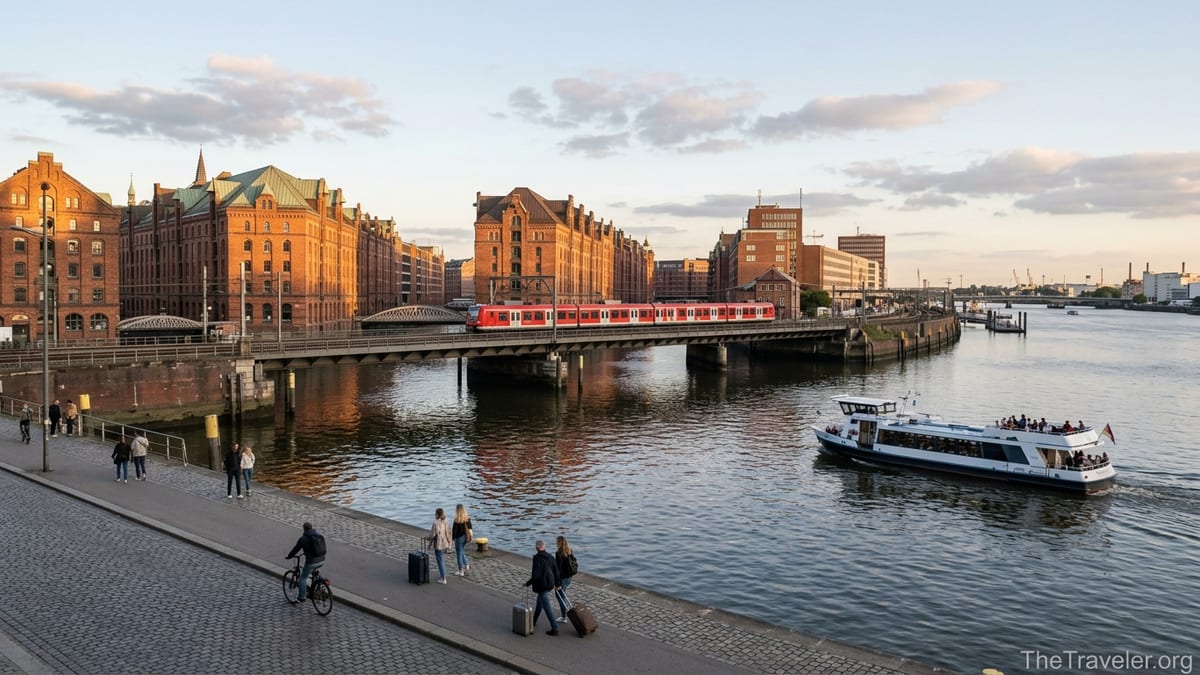
What Does a Northern Germany Trip Really Cost?
Prices in northern Germany vary significantly between a March weekend in Lübeck and a July school-holiday week on the North Sea islands. As a rule of thumb, most international visitors doing a mix of city and coast should expect three broad budget levels per person per day, excluding flights: a tight budget traveler might manage from about 80 to 110 euros if sharing accommodation and cooking sometimes, a mid-range traveler will be more comfortable around 140 to 200 euros, and those staying in upscale hotels or beachfront resorts should plan from 230 euros upwards.
For a practical example, consider a one-week itinerary in July that includes Hamburg, Lübeck and the Baltic Sea resort of Timmendorfer Strand. A couple staying in a mid-range hotel in Hamburg for three nights at roughly 130 to 170 euros per night, then moving to a mid-range seaside hotel at around 160 to 220 euros per night, adding regional trains, a few boat or ferry trips, restaurant meals and museum entries, will usually land around 1,900 to 2,400 euros total for two people for seven days.
Costs are lower in the shoulder seasons. If you visit in late April or October, you may see the same Hamburg hotel that asks 180 euros per night in August drop closer to 120 euros, and seaside guesthouses that are fully booked in school holidays fall back to around 90 to 130 euros per night. Trains and ferries rarely change base prices drastically in shoulder seasons, but the big savings usually come from accommodation and special off-peak offers on city cards or attractions.
Island and car-heavy itineraries are at the upper end of the range. A family of four taking a car onto a North Sea island like Norderney or Sylt, renting beach chairs, eating out twice a day and booking larger holiday apartments during German school holidays will often see daily costs rising to 300 euros or more, especially when parking, resort taxes and fuel are included.
Hotels, Guesthouses and Beach Resorts: What You Actually Pay
Hamburg is usually the most expensive overnight stop on a northern Germany itinerary, followed by fashionable seaside towns and islands. In 2025 and 2026, central three-star hotels in Hamburg commonly price standard double rooms between about 110 and 170 euros per night for flexible rates in spring and autumn, with weekend and major event dates sometimes higher. Four-star hotels in central districts like St. Georg, HafenCity or near the Alster lakes can run from around 160 to 240 euros per night for a standard double, with breakfast sometimes included and sometimes an extra 15 to 25 euros per person.
Outside Hamburg, prices soften noticeably. In historic Hanseatic cities such as Lübeck or Bremen, mid-range hotels often offer doubles from roughly 90 to 140 euros per night outside major fairs or Christmas markets. Smaller coastal towns along the Baltic Sea, such as Travemünde and Kühlungsborn, show big seasonal swings: in June and September, family-run pensions may list rooms in the 90 to 130 euro range, while in late July and August, sea-view doubles at popular beach resorts can climb into the 180 to 260 euro band, especially at properties with on-site spas.
North Sea islands like Sylt, Norderney and Langeoog are among the priciest areas. Holiday apartments on Sylt in high season are often advertised at more than 200 euros per night for a small apartment suitable for two adults, with larger family apartments costing substantially more. On Norderney, simple guesthouses inland from the main promenade can still be found below 150 euros in shoulder season, but seaside hotels with direct beach access or spa facilities usually charge higher rates during summer holidays.
Budget-conscious travelers can still keep accommodation costs down. In Hamburg, bed in a well-rated hostel dorm often runs between about 25 and 40 euros per night, while basic double rooms in simple hotels or guesthouses can start in the 70 to 100 euro range outside peak dates. In smaller towns, family-run Zimmer frei guest rooms or Ferienwohnungen holiday apartments booked directly often undercut major booking platforms, especially for longer stays of five nights or more.
Trains and Regional Tickets: How to Keep Rail Costs Under Control
For a typical northern Germany route that connects Hamburg with Schleswig-Holstein and the Baltic or North Sea, regional trains are often the best value. Deutsche Bahn’s regional day tickets covering multiple states, and the Schleswig-Holstein tariff for local transport in that state and Hamburg, are especially useful for visitors planning several hops in a single day. As of mid 2025, the Regional Day Ticket for Schleswig-Holstein in second class is around the high 20 euro range, approximately 27 euros for one traveler with an extra supplement per additional passenger up to a small group. This type of ticket normally allows unlimited rides in local and regional trains, and most regional buses, across Schleswig-Holstein and to and from Hamburg on the chosen day.
Imagine you are based in Hamburg and want to do a day trip to Lübeck and the Baltic coast. Booking individual one-way regional fares for Hamburg to Lübeck and Lübeck to Travemünde, then back to Hamburg, can add up close to or above 30 euros per person if bought at standard fares. In such a case, a regional day ticket that covers Hamburg and Schleswig-Holstein often becomes the cheaper and simpler option, especially for two or more travelers sharing one ticket where allowed by the conditions.
Longer intercity hops, such as Hamburg to Berlin or Hamburg to Cologne, are usually served by long-distance ICE and IC trains rather than regional services. Advance purchase savings fares on these routes often start around 17 to 30 euros per person if booked well ahead for a specific departure, while flexible last-minute tickets may be significantly more expensive. For a northern Germany focused trip that stays within Hamburg, Schleswig-Holstein, Lower Saxony and Mecklenburg-Western Pomerania, most visitors can rely on regional services and day tickets for the bulk of their itinerary, with only occasional need for long-distance trains.
Local public transport inside cities is also worth factoring into your daily costs. In Hamburg, a single ticket for inner-city zones typically falls in the range of a few euros. Day passes for central zones are often good value if you ride more than twice in 24 hours, and they usually include local S-Bahn and U-Bahn, buses and even the harbor ferries on standard lines. Budget roughly 5 to 10 euros per day per person for urban transit in Hamburg if you plan a mix of bus and train rides and choose day passes wisely.
Ferries, Islands and Coastal Transport Costs
Reaching the North Sea islands introduces a new category of costs: ferry fares, parking on the mainland and, if you bring a car, vehicle transport charges. A well-known example is the ferry between Norddeich Mole and Norderney. According to recent 2026 tariff information, a standard adult passenger ticket for the crossing is around 13 to 14 euros one way, with a return ticket for the same person priced at approximately 27 to 28 euros. Bicycle tickets are extra, and transporting a car onto the island is considerably more expensive, with charges varying based on vehicle length and season.
On some islands, private or municipal shuttle buses from harbor to town and local transport passes add a few euros more to the day’s expenses. Many visitors without cars simply walk or rent bicycles; bike rentals on islands such as Norderney or Langeoog commonly cost around 8 to 14 euros per day for a standard city bike, with e-bikes priced higher. For a couple doing a day trip without a car, a realistic budget for ferry and on-island transport might run to roughly 35 to 60 euros total, including two return passenger tickets and simple bikes for the day.
Along the Baltic Sea, ferries are more about harbor cruises and short scenic rides than essential transport. In Lübeck and Travemünde, for example, harbor or canal cruises typically fall in the 18 to 30 euro per person range for a one to two hour boat tour. In Hamburg, harbor tours departing from Landungsbrücken are often priced from about 20 to 35 euros per adult, depending on duration and company, while budget travelers can replicate part of the harbor experience by riding standard public ferries using a regular transit ticket at no extra cost beyond their day pass.
Smaller coastal ferries across estuaries or to Halligen islets in the Wadden Sea can vary widely in price but are usually in the low to mid tens of euros per adult for return trips. It is sensible to set aside a dedicated “water budget” if you enjoy being on boats: around 50 to 80 euros per person across a week is often enough for one classic harbor cruise, one island ferry return ticket and perhaps a short additional ride or canal tour.
Rental Cars, Parking and When Driving Makes Sense
Public transport in northern Germany is reliable enough that you can easily complete a city and coast itinerary by train and bus, but rental cars become attractive if you want to explore remote beaches, thatched-roof villages or multiple islands on a tight schedule. Recent listings for Hamburg Airport show economy car rental offers from major agencies starting from around 60 to 70 US dollars per day in low demand periods, which typically translates to roughly 55 to 65 euros at recent exchange rates, before optional insurance upgrades. In peak summer weeks, especially if you book late, rates can easily rise toward 80 to 120 euros per day for automatic transmission cars.
On top of the base rental rate, budget for fuel at current European prices, which in recent years have generally hovered at several euros per liter of petrol or diesel. For a week of modest driving that includes Hamburg to Sylt and back with some local exploration, many travelers will spend roughly 70 to 120 euros on fuel. Parking costs add another layer: underground garages in central Hamburg often charge around 2 to 4 euros per hour, with daily caps in the low 20s, while small coastal towns might charge 5 to 10 euros per day in signed beach parking areas.
Transporting a car to an island on a ferry, such as to Sylt via the train shuttle or via other North Sea crossings, carries significant surcharges that can range into the high tens or low hundreds of euros depending on season and vehicle size. For this reason, many visitors prefer to leave their car at a mainland car park and travel as foot passengers by ferry or train, then rent bicycles or rely on local buses once on the island. This approach combines flexibility on the mainland with much lower transport costs on the islands.
From a budgeting perspective, a car-only traveler in northern Germany should add at least 40 to 60 euros per day on top of accommodation and food to cover rental, fuel and basic parking in shoulder season, and more like 70 to 100 euros in peak season or for larger vehicles. For couples or families of three or four, this can still work out cheaper per person than buying multiple long-distance train tickets, especially in areas where regional day tickets do not fully cover the planned routes.
Food, Restaurants and Daily Dining Budgets
Food costs in northern Germany are relatively predictable once you understand restaurant price bands. In cities like Hamburg and Bremen, a simple bakery breakfast of coffee and a filled roll typically costs around 4 to 7 euros per person, while a sit-down café breakfast with eggs might climb to 10 to 15 euros. At the coast, café breakfasts with a view over the harbor or dunes sometimes charge a small premium, but the overall range remains similar.
For lunch, many restaurants and bistros offer reasonably priced Tagesgericht daily specials or Mittagsmenü set menus. In central Hamburg, a main course at a mid-range restaurant commonly falls in the 12 to 20 euro bracket, while casual Imbiss stands serving currywurst, fish rolls or döner kebab often charge in the 5 to 9 euro range. Along the North and Baltic Sea coasts, fresh fish dishes such as fried fish plates or Matjes herring with potatoes typically cost around 15 to 25 euros, depending on the type of fish and location.
Dinner consumption often pushes daily food budgets higher. A two-course dinner in a mid-range restaurant with a drink in Hamburg might add up to around 25 to 35 euros per person, while a similar meal in smaller towns could land closer to 18 to 28 euros. On famous islands like Sylt, high-end beach restaurants can charge substantially more, with main courses easily ranging from the mid 20s to 40 euros. To keep costs under control, many travelers alternate between restaurant dinners and grocery store meals, using German supermarket chains for picnic supplies or simple self-catered dinners when staying in apartments.
Realistically, a budget traveler who relies heavily on supermarkets, bakeries and occasional snack stands might spend 20 to 30 euros per day on food, including one inexpensive hot meal. Mid-range travelers who eat one sit-down meal and one casual meal daily should expect 35 to 55 euros per person per day. Food enthusiasts who favor seafood restaurants, wine and dessert, particularly at the coast, should plan for 60 euros or more per day.
Attractions, Beach Extras and Typical Daily Budgets
Entry fees to main sights in northern Germany are manageable but can add up over a week. In Hamburg, entrance to major museums such as the International Maritime Museum or art galleries is often around 12 to 18 euros per adult, while popular experiences like miniaturized model railway worlds or harbor boat tours may cost in the mid 20 euro range. In Lübeck, visiting medieval churches, the Holstentor gate museum or combined museum tickets generally falls between about 6 and 15 euros each.
At the coast, beaches are sometimes subject to a Kurtaxe tourist tax or a nominal beach access fee, often collected via automated machines or ticket booths at entrances. These charges are typically a few euros per person per day, with discounts for children and multi-day passes. Renting a traditional Strandkorb wicker beach chair, which is almost essential on windy North and Baltic Sea days, usually costs around 8 to 15 euros per day depending on location and season.
Putting all these elements together, realistic daily budgets become easier to estimate. For a budget backpacker sharing dorms, using regional day train tickets, cooking occasionally and choosing mostly free or low-cost attractions, a daily budget in a city like Hamburg might look like roughly 35 euros for accommodation, 10 euros for local transport, 25 euros for food and 10 euros for attractions, totaling around 80 euros. At the coast in shoulder season, the same traveler might pay 40 to 50 euros for a simple room, but spend slightly less on attractions, leading to a daily total of about 90 to 100 euros.
For a mid-range couple, a common daily pattern in Hamburg is about 150 euros for a centrally located double room, 15 to 20 euros for local transport, 80 to 100 euros for food and drinks and 30 to 40 euros for attractions or boat trips, giving a combined daily budget of roughly 280 to 310 euros for two. On the coast in high summer, accommodation might rise to 200 euros per night, with similar food and activity costs, taking the daily total to around 320 to 360 euros for two people, especially if beach chairs or ferries are included.
The Takeaway
Northern Germany rewards travelers who plan with realistic, line-by-line budgets. Hotel and resort prices fluctuate far more with season and location than train or ferry fares, so locking in accommodation early for summer dates is one of the most powerful ways to control overall costs. Regional day tickets for trains and careful use of urban transit passes can keep transport spending predictable, while mixing supermarket meals with restaurant treats allows you to enjoy local cuisine without breaking the bank.
For most visitors combining Hamburg with at least one coastal base, a sensible planning figure for 2026 is around 140 to 200 euros per person per day for mid-range comfort, more in high summer on famous islands and less in shoulder season or for those happy with simpler rooms and self-catering. By understanding how much ferries, beach extras, harbor tours and daily dining actually cost, you can choose which experiences matter most and allocate your budget accordingly, turning a northern Germany trip into an enjoyable investment rather than a financial surprise.
FAQ
Q1. How much should I budget per day for a northern Germany trip in 2026?
Most mid-range travelers should plan around 140 to 200 euros per person per day, including hotels, local transport, food, basic attractions and occasional boat or ferry rides.
Q2. Is Hamburg significantly more expensive than coastal towns?
Hamburg hotels are usually pricier than inland and some coastal towns, but top North Sea islands like Sylt or Norderney can match or exceed Hamburg prices in peak summer.
Q3. Are regional train day tickets really good value?
Yes, if you are doing several legs in one day. A regional day ticket covering Schleswig-Holstein and Hamburg can undercut separate one-way fares, especially for two or more people traveling together.
Q4. How much does it cost to visit a North Sea island without a car?
For a day trip, budget roughly 30 to 40 euros per person for a return ferry and another 10 to 20 euros for local buses or a rented bicycle, plus food and any beach fees.
Q5. Are rental cars necessary for a northern Germany itinerary?
No, many routes are easily done by train and bus. A car is more useful for remote beaches and villages; expect roughly 60 to 100 euros per day including fuel and parking in peak periods.
Q6. How much will I spend on food each day?
Budget travelers who use supermarkets and snack stands can often manage on 20 to 30 euros per day, while mid-range travelers eating one restaurant meal usually spend 35 to 55 euros.
Q7. Do beach and resort fees add a lot to costs?
Beach taxes and access fees are usually modest, often a few euros per person per day, but daily beach chair rentals and repeated ferry trips can noticeably raise a weekly budget.
Q8. When is the cheapest time to visit northern Germany?
Prices are generally lower in late April, May, September and October, outside school holidays. Hotels and resorts often discount rooms while trains and ferries keep similar base fares.
Q9. How much should I set aside for attractions and activities?
A practical figure is 10 to 20 euros per day for museums and sights, plus 20 to 30 euros on days when you add a harbor cruise, long ferry ride or special experience.
Q10. Is it easy to keep costs down without speaking German?
Yes, most ticket machines and booking sites offer English, and staff in major cities and resorts are used to international visitors, which makes it easier to find the best-value tickets and deals.