


Planning a trip to eastern Germany is as much about timing as it is about choosing destinations. Between cultured city breaks in Dresden and Leipzig, hiking in Saxon Switzerland, paddling through the canals of the Spreewald and wandering atmospheric Christmas markets, the experience can feel completely different from one month to the next. This guide walks through the year, highlighting what to expect in terms of weather, crowds, prices and seasonal events so you can match your travel dates to the trip you really want.
How Seasons Shape a Trip to Eastern Germany
Eastern Germany, for the purposes of this guide, focuses on Saxony and Brandenburg, with flagship stops such as Dresden and Leipzig for city breaks, Saxon Switzerland National Park for hiking, and the Spreewald biosphere reserve south of Berlin for nature and canal trips. All three sit in a temperate climate zone, with warm summers, cool springs and autumns, and winters that are often cold but not extreme in the lowlands. In Dresden, January averages hover around freezing, while July days are commonly in the low to mid 20s Celsius, roughly the low to mid 70s Fahrenheit.
Seasonality has a direct impact on both experience and costs. A midweek hotel room in Dresden’s baroque Altstadt around February might be available from about 80 to 110 euros per night in a mid-range hotel, while the same room can climb well above 150 euros on December weekends during the famous Striezelmarkt Christmas market. In Saxon Switzerland, simple guesthouses in villages like Bad Schandau or Königstein can be quiet and good value in April, then busy and often fully booked in late July and early October when hiking conditions are at their best.
Because of this, the “best time to visit” is not one single month, but a series of windows tailored to what you want to do. City travelers who like café culture and museums often prefer April to June and September. Serious hikers target late April to early June and then mid-September to late October. Christmas market visitors generally aim for the four weeks of Advent from late November to around December 23, though exact dates shift slightly year to year.
The rest of this guide moves month by month from January to December, comparing how city breaks in Dresden and Leipzig, hiking in Saxon Switzerland, trips to the Spreewald and Christmas markets stack up in terms of weather, crowds, prices and events.
January to March: Quiet Culture, Winter Landscapes and Low Prices
January in eastern Germany is usually cold, with daytime highs in places like Dresden and Leipzig often between 0 and 5 degrees Celsius (32 to 41 Fahrenheit). Snow is possible but not guaranteed in the cities; in the Elbe Sandstone Mountains of Saxon Switzerland, paths can be icy, and higher viewpoints such as the Bastei Bridge sometimes sit in mist. City breaks work well in this period because most major attractions are indoors: the Old Masters Picture Gallery in Dresden’s Zwinger, the Panometer and Bach-related sites in Leipzig, and brewery tours in small cities such as Radebeul or Görlitz.
Crowds are minimal once New Year’s holidays end, and hotel prices reflect that. In January and much of February, it is common to find central three-star hotels in Leipzig’s Innenstadt or Dresden’s Altstadt at noticeably lower rates than in summer or Advent weekends, and same-day bookings are usually possible. Restaurants are relaxed, and it is easier to get last-minute seats at popular venues such as Gose houses in Leipzig or traditional Saxon restaurants in Dresden’s Neustadt.
For hiking, January and February are only suitable for well-prepared, experienced walkers. Trails in Saxon Switzerland can be muddy, icy or closed due to rockfall risk, and shorter daylight hours reduce safe hiking time. However, it is still possible to enjoy short winter walks on well-maintained paths near Kurort Rathen or the Elbe riverbanks. The Spreewald is extremely quiet; some boat operators in towns like Lübbenau and Burg halt regular services until spring, but you may find winter punt trips running on weekends, offering eerie, misty canals and frozen reed beds.
By March, the first hints of spring appear. Temperatures creep upward, and early in the month you may still find snow patches in shaded parts of Saxon Switzerland. Cultural events in the cities pick up, with orchestras such as the Staatskapelle Dresden and the Gewandhausorchester Leipzig running full winter programs. Prices and crowds, however, remain relatively low, making March attractive for travelers who value atmosphere over warm weather.
April and May: Ideal Shoulder Season for City Breaks and Early Hiking
April is a classic shoulder-season month in eastern Germany. Weather is changeable, with some days feeling almost summery and others reverting to a chilly drizzle, but the average highs reach the low to mid teens Celsius. In Dresden, cafés on Neumarkt square begin setting out more outdoor tables, and Elbe river cruises resume more frequent schedules. Leipzig’s parks, such as Clara-Zetkin-Park, come to life with cherry blossoms and locals on bicycles.
This is one of the best windows for combining city breaks with hiking. In Saxon Switzerland, many famous routes like the Malerweg stages and the loop to the Schrammsteine ridges typically become comfortably hikeable, though you still need sturdy shoes for mud and occasional leftover ice in shaded crevices. Crowds are moderate, mostly German and Czech hikers on weekends, and weekday trails remain quiet. Accommodation in gateway towns such as Bad Schandau, Pirna or Sebnitz is easier to book at short notice than in summer, and prices are usually mid-range rather than peak.
The Spreewald also reopens for the season in spring. From around April, traditional wooden punts depart regularly from Lübbenau or Burg, offering 2 to 4 hour canal tours through the UNESCO-listed biosphere reserve. Weekdays in April and early May are peaceful, with mostly domestic visitors. Canoe and kayak rentals gradually resume, and prices are often slightly lower than in the school-holiday months; a half-day canoe rental for two people might cost the equivalent of a modest restaurant meal rather than a full night’s accommodation.
May is reliably pleasant for city breaks. Public holidays such as May Day can create busy long weekends, but outside these spikes, you will find a good balance of comfortable temperatures, extended daylight and manageable crowds. Beer gardens open along the Elbe in Dresden and around Leipzig’s lakes, making evenings after daytrips to Saxon Switzerland or the Spreewald especially enjoyable.
June to August: Peak Season for Hiking, Lakes and Urban Nightlife
Summer in eastern Germany runs from June through August, with July generally the warmest month. Daytime highs in Dresden and Leipzig often sit in the low to high 20s Celsius (mid 70s to low 80s Fahrenheit), and occasional heatwaves can push temperatures higher for a few days. This is the prime time for outdoor activities: long evenings, open-air concerts, and excellent hiking conditions in Saxon Switzerland.
In Saxon Switzerland National Park, practically all trails are open and dry in summer. Routes such as the climb to Lilienstein, the panoramic path around Schrammsteine, and stages of the Malerweg see their highest footfall, especially on weekends and during German school holidays. Accommodation in small villages like Schmilka or Hinterhermsdorf can book out months ahead on peak dates. Prices for guesthouses and boutique hotels are at their annual high point, and minimum-stay requirements are common.
City breaks also flourish in summer, but with a different rhythm than in spring. In Dresden, many travelers use the city as a base for day trips to Saxon Switzerland or the Elbland wine region, returning in the evening for riverside strolls and terrace dining. Leipzig’s nightlife, from the bars in Südvorstadt to summer festivals around the lakes of Neuseenland, is particularly lively. Museum interiors can feel warm on hot days, but most venues are air conditioned or at least well ventilated.
The Spreewald is at its busiest in July and August. Canal tours depart continuously from major harbors in Lübbenau, Lehde or Burg, and canoe rental stations line the waterways. Prices reflect demand: expect to pay peak-season rates for both accommodation and activities, especially on weekends. On the positive side, water temperatures are comfortable, greenery is at its fullest, and long evenings allow late returns from the canals. If you prefer quieter conditions and slightly lower prices, arriving in mid to late June or the last week of August rather than the core school-holiday weeks can make a noticeable difference.
September and October: Golden Autumn for Hikers and City Explorers
For many travelers, September and early October are the sweet spot in eastern Germany. Summer crowds thin out, but the weather often remains mild and stable. Daytime temperatures in Dresden and Leipzig typically range from the mid teens to low 20s Celsius, and the first autumn colors appear along the Elbe and in the beech forests of Saxon Switzerland.
These months are prime time for hiking. The sandstone formations of the Elbe Sandstone Mountains are particularly photogenic against autumn foliage. Trails such as the path from Kurort Rathen up to Bastei and onwards to Hohnstein, or the routes around the Affensteine rocks, benefit from cooler temperatures that make longer hikes and climbs more comfortable. Weekdays are relatively quiet, though sunny weekends in late September and early October can still feel busy at classic viewpoints and parking areas. Accommodation prices are generally a little higher than in early spring but lower than at the height of summer, with good value if you book a week or more in one place.
City breaks in Dresden and Leipzig shine in autumn. Cultural seasons restart after the summer break, so opera houses, concert halls and theatres are back to full schedules. Wine festivals in the Elbe valley around Radebeul and Meißen bring an extra layer of interest for visitors, with weekend events combining tastings, food stalls and live music. Crowds are moderate, allowing you to visit popular sites like Dresden’s Frauenkirche or Leipzig’s Thomaskirche without the dense peak-summer queues.
The Spreewald transitions beautifully into autumn, with reeds turning golden and fog sometimes hanging over the water on cool mornings. Boat tours still operate regularly through at least early October, though schedules shorten as daylight decreases. Canoeing remains comfortable, but cooler evenings mean you will want an extra layer for the return journey. Prices start to dip compared with high summer, and spontaneous travelers can once again find last-minute rooms in canal-side guesthouses, particularly midweek.
November and December: Christmas Markets, Advent Atmosphere and Winter Escapes
November in eastern Germany starts off quietly and grows busier as Advent approaches. Early November can feel chilly and grey, with daytime highs often around 7 to 10 degrees Celsius. City breaks remain worthwhile thanks to museums, historic architecture and concert halls, and prices for hotels and flights are relatively soft in the first half of the month. For hiking, conditions are mixed; some routes in Saxon Switzerland become slippery with fallen leaves and rain, and short days reduce the time window for longer walks.
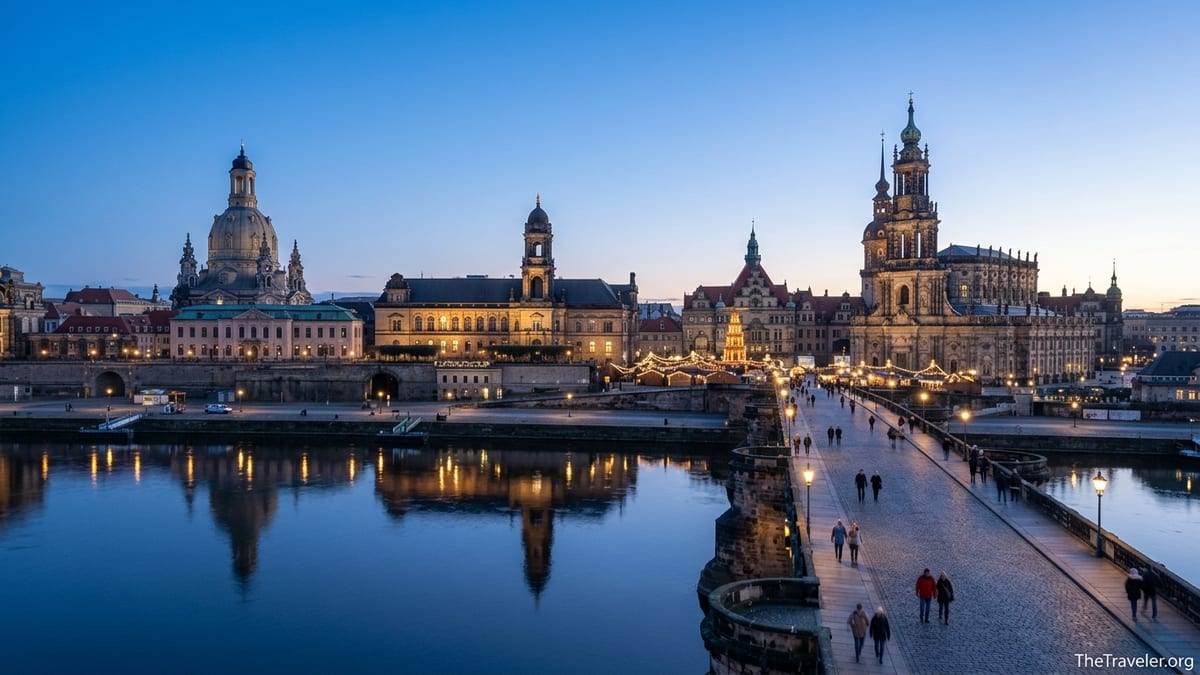
The mood shifts dramatically once Christmas market season begins, usually in the final week of November. Dresden’s Striezelmarkt, widely considered the oldest Christmas market in Germany, traditionally opens in late November and runs until December 24 on the Altmarkt. At the same time, other markets spread across the city: a medieval-themed market in the Stallhof courtyard, the Augustusmarkt along the Hauptstrasse with an international feel, and the Neumarkt market in front of the Frauenkirche. Combined, they transform Dresden into what local tourism offices market as a “Christmas capital,” with lights, choir performances and artisanal stalls.
Leipzig’s Christmas market typically runs through most of December around the Marktplatz and surrounding streets, with a large tree, wooden chalets selling mulled wine, sausages and local crafts, and a traditional fairground atmosphere. Smaller markets operate in towns across Saxony and Brandenburg, such as Bautzen and Görlitz, many of them open only on Advent weekends. In the Spreewald, special events such as the Spreewaldweihnacht see punting boats decorated with lights ferrying visitors between small harbor villages on select Advent weekends, creating a distinctive canalside take on the Christmas market experience.
These weeks bring the highest December hotel prices of the year in Dresden and, to a slightly lesser extent, Leipzig. A centrally located four-star hotel that might charge modest rates in February can easily double on peak December Saturdays during Advent. Crowds are intense in the evenings and on weekends, particularly around the Striezelmarkt’s central Christmas pyramid and stollen stalls. Weekday mornings and early afternoons are quieter and better suited to travelers who prefer a gentler atmosphere while still experiencing the markets at full decoration.
Comparing Crowds, Prices and Weather by Trip Type
For city breaks focused on museums, cafés and culture in Dresden and Leipzig, the best balance of weather, crowds and cost usually falls in April, May, September and early October. During these months, you can enjoy pleasant temperatures, active cultural calendars and more moderate hotel rates than summer and Advent. Winter months from January to early March are excellent for budget-conscious travelers comfortable with grey skies, as you will often find lower prices and fewer tour groups at major landmarks.
If your priority is hiking in Saxon Switzerland, late April to mid-June and mid-September to late October stand out. Summer offers long days and stable conditions but brings the heaviest crowds and highest accommodation prices. In practical terms, a hiker visiting in mid-May might secure a room in a family-run guesthouse in Bad Schandau for a more modest rate and still find spaces on guided tours, while the same guesthouse in early August might require advance booking and command a clear high-season premium.
Travelers focused on the Spreewald’s canals and nature should look to late April through June and September for comfortable temperatures and manageable visitor numbers. July and August remain fun, especially for families, but canals near main hubs can feel congested, and spontaneous rental or tour options can sell out on sunny Saturdays. In shoulder season, you have a better chance of finding a quiet backwater during a self-paddled canoe trip and may pay slightly less for both lodging and boat rental.
For Christmas markets, the heart of the season is the four weeks of Advent, roughly late November to just before Christmas Eve. If you want the full atmosphere but smaller crowds and somewhat better room availability, consider the first 7 to 10 days after the major markets open, typically in late November or very early December. Weekday visits at this stage offer most of the decorations and events, but with noticeably more space at food stalls and in historic squares than the last full weekend before Christmas, when German and international visitors converge in greatest numbers.
The Takeaway
Eastern Germany offers very different faces as the year turns, from quiet winter museum days in Leipzig to sunlit sandstone cliffs in Saxon Switzerland and candlelit boats on Spreewald canals during Advent. Rather than one universal “best” time to visit, there are several distinct windows that suit different styles of travel and budgets.
If you want value and calm city exploration, consider January to March or early November. For a blend of cities and nature, April, May, September and early October are particularly rewarding, giving you both pleasant urban strolls and excellent hiking or paddling conditions. For families and long outdoor evenings, June to August makes sense, provided you are ready for higher prices and busier trails and canals. And if your dream is to sip mulled wine under historic facades while choirs sing carols, aim for the Advent period from late November through most of December, accepting that you will share the experience with many others.
By matching your priorities to the seasonal rhythms of Dresden, Leipzig, Saxon Switzerland and the Spreewald, you can turn a good trip into a great one. Decide first whether your focus is culture, hiking, waterside relaxation or Christmas magic, and then let the calendar guide you to the month that fits your personal definition of the best time to visit eastern Germany.
FAQ
Q1. What is the best month overall to visit eastern Germany for a first-timer?
For most first-time visitors who want a mix of city breaks and light hiking, May or September work especially well, with mild weather, active cultural life and more moderate crowds than peak summer or the Christmas period.
Q2. When is the best time to hike in Saxon Switzerland?
The most reliable combination of pleasant temperatures, open trails and manageable crowds is usually late April to mid-June and mid-September to late October, avoiding the hottest and busiest weeks of high summer.
Q3. Are the Christmas markets in Dresden and Leipzig open after Christmas?
Most traditional Christmas markets, including Dresden’s Striezelmarkt, usually close by December 24, though some winter or New Year markets may continue in reduced form. If seeing classic Advent markets is your priority, plan to arrive before Christmas Eve.
Q4. Is January a bad time to visit eastern Germany?
January can be cold and grey, but it is a good time for budget-friendly city breaks focused on museums, concerts and cosy cafés, with lower hotel prices and fewer crowds than at other times of year.
Q5. When is the Spreewald at its best for canal tours?
The canals are most enjoyable from late April through June and again in September, when boat services run frequently, foliage is lush but temperatures are comfortable, and the waterways are less crowded than in peak summer holidays.
Q6. How far in advance should I book hotels for December Christmas markets?
For weekend stays in Dresden or Leipzig during Advent, it is wise to book central hotels several months ahead, particularly if you want specific properties or room types. Weeknight stays can sometimes be found closer to arrival but still benefit from early planning.
Q7. Can I hike in Saxon Switzerland in winter?
Winter hiking is possible but more challenging. Trails can be icy, muddy or partially closed, and daylight hours are short. It is best suited to experienced hikers with proper footwear, warm clothing and flexible plans that take local conditions into account.
Q8. Which months offer the lowest hotel prices in Dresden and Leipzig?
Generally, January, February and parts of March, as well as early November before Christmas markets start, see the lowest average hotel rates, especially for midweek stays.
Q9. Is August too crowded for a trip focused on nature?
August is the busiest month for both Saxon Switzerland and the Spreewald, with popular trails and canals often crowded, especially on sunny weekends. If you prefer quieter nature experiences, consider June, early July or September instead.
Q10. What is the best time to visit if I want both hiking and Christmas markets?
The most practical approach is to focus on one and sample the other lightly. For example, visit in late November or early December, plan short day hikes on stable trails near the Elbe, and devote your evenings to Christmas markets, understanding that serious multi-day trekking is better saved for spring or autumn.