


Germany is a year‑round destination, but the experience you have in Berlin, Munich or along the Rhine can look very different in March than it does in September or December. From beer tents at Oktoberfest to snow‑dusted half‑timbered towns glowing with Christmas lights, timing your trip matters for weather, crowds and costs. This guide walks through Germany month by month, comparing seasons for city breaks, Rhine cruises, the Black Forest, the Alps, Oktoberfest and Christmas markets so you can match your dates to the trip you actually want.
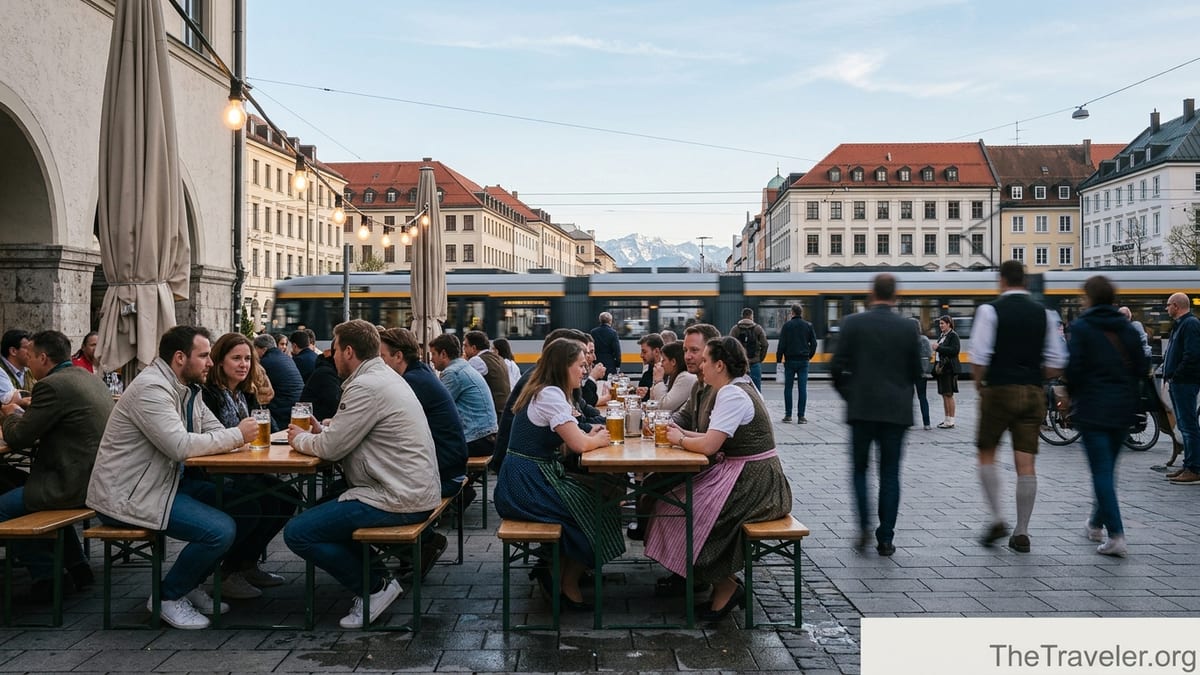
How Germany’s Seasons Shape Your Trip
Germany has four distinct seasons, and they influence everything from flight prices to whether you are sipping Riesling on a Rhine terrace or warming your hands around a mug of Glühwein in a Christmas market. Winters are cold, with many cities hovering just above or below freezing in December and January. Berlin and Munich often see daytime highs around 0 to 5 degrees Celsius, so you will be packing hats and gloves rather than sandals. Summers bring much milder, often pleasantly warm temperatures, with highs in the low to mid‑20s Celsius in many regions, and occasional hotter spells that can climb toward 30 degrees.
Spring and autumn are shoulder seasons, and for many travelers they offer the best balance between comfortable weather and manageable crowds. In April you might stroll under cherry blossoms along Berlin’s Landwehr Canal or in Bonn, wearing a light jacket, then still need a warmer layer by evening. In late September you could hike among golden larches in the Bavarian Alps in a fleece and jeans, yet sit outdoors for dinner in Munich’s beer gardens. These transitional months also tend to offer better value on city hotels than peak summer or major festival periods.
Regional differences mean you should think beyond “Germany” as a single climate. The north and northwest, including Hamburg and the North Sea coast, are a little cooler and windier, especially in winter. The Rhine Valley between Cologne and Mainz is slightly milder and can feel almost Mediterranean on sunny June afternoons. The Black Forest and Bavarian Alps are cooler and snowier in winter and more appealing for hiking in late spring through early autumn. When planning, think in terms of what you want to do: urban culture, river cruising, forest trails, mountain scenery, beer festivals or Christmas markets.
Prices and crowds follow a fairly predictable pattern. Late June through August, plus the Oktoberfest period in Munich and the weeks of Christmas markets in big cities, generally bring the highest hotel prices. Mid‑week nights in March or November, on the other hand, can be significantly cheaper, and you may find central hotels in cities such as Frankfurt or Stuttgart running specials because business travel is quieter and leisure crowds have not yet arrived.
Spring (March to May): Best for Cities and Early Hiking
Spring in Germany is a gradual unfolding rather than a single moment. March can still feel like late winter, especially in Berlin and Munich, with chilly days and occasional late snow showers, while May can feel close to summer. For city breaks, March and April are often rewarding because you can explore museums, cafes and neighborhoods without peak‑season crowds. For example, a boutique hotel near Berlin’s Hackescher Markt that might charge a high‑season rate in July can sometimes be noticeably cheaper in late March, especially mid‑week when there are no big trade fairs or marathons in town.
By April and May, outdoor city life starts to reappear. In Munich, beer gardens such as Augustiner‑Keller begin to open their chestnut‑shaded terraces when temperatures allow, and locals start spending evenings on the banks of the Isar River. In Cologne and Düsseldorf, Rhine promenade cafes put out tables and chairs and you can comfortably sit outside with a Kölsch or Altbier. This is also when river cruise companies increase departures between Cologne and towns like Koblenz and Rüdesheim, as vineyards green up along the slopes and castles such as Marksburg or Rheinstein open for longer hours.
For nature‑focused trips, later spring is the better bet. In the Black Forest, low‑level hiking trails near Freiburg and Triberg become reliably snow‑free by late April or May, and forest guesthouses start to attract weekend walkers rather than just winter spa guests. The Bavarian Alps around Garmisch‑Partenkirchen and Berchtesgaden still have snow on higher peaks in April, which is attractive if you want alpine views but do not need full summer hiking conditions. Cable cars like the one up Zugspitze, Germany’s highest peak, typically run year‑round, but in shoulder season you will usually share the panorama with fewer tour groups.
Spring is generally not Christmas market or Oktoberfest season, so you trade headline events for more local life. You might see Easter markets in places like Nuremberg or smaller towns selling painted eggs and spring decorations around March or April, but they are smaller and less crowded than December markets. Flight prices from North America in late April or early May can be more favorable compared with June, which makes spring a cost‑effective time if your priority is museums, architecture and early greenery rather than big festivals.
Summer (June to August): Long Days, Rhine Cruises and Peak Prices
German summers are about long daylight hours, lake swims and full beer gardens, and they are understandably popular. In June and July, the sun can linger past 9 pm in Berlin or Hamburg, so you can spend the day touring Berlin’s Museum Island and still have time for an evening drink on the Spree River. Cities like Munich, Cologne and Frankfurt host outdoor film festivals, open‑air concerts and riverbank events. This is also the prime season for Rhine and Moselle river cruises, with multiple daily departures between cities such as Cologne, Bonn and Koblenz and smaller towns like Bacharach and Cochem.
In terms of weather, summer highs in many German cities tend to sit in the low to mid‑20s Celsius, though heat waves can push temperatures higher. Air conditioning is not universal, especially in older city hotels and pensions, so if you plan a July or August trip, look carefully at room descriptions and recent guest reviews. A modern chain hotel in central Berlin or Hamburg is more likely to have good air conditioning, while a charming half‑timbered guesthouse along the Rhine may rely on open windows and fans. If you are particularly sensitive to heat, an early June or late August stay can be more comfortable than high summer.
For nature, summer is prime time in the Black Forest and Bavarian Alps. Family‑run hotels in Garmisch‑Partenkirchen or Oberstdorf often include local bus and cable car passes with multi‑night stays, making it easy to ride a gondola to a high alpine meadow in the morning and return for a spa session in the late afternoon. In the Black Forest, well‑marked trails near Titisee and Feldberg are busy on weekends but quieter mid‑week, and lakes such as Schluchsee are warm enough for swimming. Mountain weather is changeable, so afternoon thunderstorms are possible, but overall summer provides the most reliable conditions for hiking and outdoor dining.
The trade‑off for long days and outdoor life is that summer is usually the most expensive period for accommodation in major tourist areas. In Munich, central hotels near the Hauptbahnhof or Marienplatz typically charge their highest rates during late June, July and early August, especially when large trade fairs or events coincide with school holidays. Along the Rhine and in popular Black Forest towns, weekend rates for riverfront or forest‑view rooms can also climb. Budget‑conscious travelers can look for smaller guesthouses a few tram or regional train stops from city centers or consider basing in a nearby secondary city, such as staying in Mainz instead of directly in Rüdesheim, and visiting river villages as day trips.
Autumn (September to November): Oktoberfest, Wine and Golden Forests
Autumn is one of the most atmospheric times to be in Germany. September still feels like late summer in many places, with comfortable daytime temperatures and cooler evenings, while October brings golden leaves and a crisp edge to the air. This is harvest time along the Rhine and Moselle, when vineyards near towns like Bernkastel‑Kues and Bacharach are busy with grape picking and many villages host wine festivals featuring local Riesling and regional food. The combination of vineyards turning yellow, castle‑topped hills and fewer river crowds than in July makes September particularly appealing for cruises.
From late September into early October, Munich becomes the focus thanks to Oktoberfest. In 2026, for example, the festival is scheduled from 19 September to 4 October, with the mayor traditionally tapping the first keg at noon on opening Saturday at the Theresienwiese fairground. During this period, hotel prices in Munich spike. A mid‑range hotel within walking distance of the Oktoberfest grounds that might charge a moderate nightly rate in early September can easily double or more for the festival dates, with many properties requiring multi‑night minimum stays and selling out months in advance. Budget travelers often stay in outlying districts on the S‑Bahn network or in nearby cities such as Augsburg and take the train into Munich for the day.
Weather in September and October is generally favorable for sightseeing. In Munich, daytime highs often sit in the mid‑teens to low 20s Celsius in September, cooling into the low teens in October, which is ideal for walking tours of the Altstadt or afternoons in a beer garden in a jacket. In Berlin and Hamburg, you can expect similar or slightly cooler conditions. In the Black Forest and Alps, early October can be a highlight if you enjoy hiking through forests of changing leaves with views of early snow dusting higher peaks. Scenic drives like the Schwarzwaldhochstrasse, which runs along the Black Forest High Road, are especially beautiful in this season.
By November, autumn shifts toward winter, and the feel of travel changes again. Many outdoor beer gardens close or scale back, days become shorter and gray skies more common. Crowds drop noticeably outside a few business‑travel dates in cities with big trade fairs. For travelers focused on museums, cafes and opera rather than outdoor dining, November can be a value month. Hotel rates in Berlin, Frankfurt or Stuttgart often fall compared with September, and you can book centrally located business hotels near main stations at relatively modest prices on weekends. Late November is also when the first Christmas markets open, so if you time your trip for the last week of the month you can enjoy early festive lights without peak December crowds.
Winter (December to February): Christmas Markets and Alpine Snow
Winter in Germany brings two very different travel experiences: the festive glow of Christmas markets and the deep quiet after New Year’s. From late November through December, towns and cities across the country set up wooden stalls selling mulled wine, sausages and handcrafted ornaments. Major markets in places such as Nuremberg, Dresden, Cologne, Frankfurt and Stuttgart draw large crowds, while Berlin alone hosts many different markets across the city. These markets typically begin in the last week of November and run up to just before or just after Christmas, depending on the city, so mid‑December is often the sweet spot for visitors who want full festive atmosphere.
The most famous Christmas markets can become destinations in their own right. Nuremberg’s Christkindlesmarkt fills the main square with rows of red‑and‑white striped stalls and a large Christmas tree, while Dresden’s Striezelmarkt is known for its giant candle pyramid and traditional Stollen fruitcake. Cologne’s markets range from a large cluster around the cathedral to a more intimate “village” beside the Rhine. Hotel demand follows suit: central hotels overlooking Nuremberg’s Hauptmarkt or within a short walk of Cologne Cathedral often see strong weekend bookings, and rates are typically higher on Fridays and Saturdays when many Europeans arrive for quick market breaks. Weeknight stays in December can still be busy but sometimes offer better rates.
Post‑Christmas, from early January into February, the mood changes dramatically. Many Christmas markets close by December 23 or 24, and after New Year’s fireworks cities quieten. This can be an appealing time if you prefer near‑empty museums, short lines at major sights and lower costs. In Berlin, for example, hotels around Alexanderplatz or Potsdamer Platz often run winter promotions, and you may find deals on longer stays. The trade‑off is short daylight, with some northern cities seeing sunset before 4:30 pm, and the need to dress for cold, damp weather with insulated coats, waterproof shoes and layers.
For snow and winter sports, the Black Forest and Bavarian Alps come into their own. Ski resorts like Garmisch‑Classic above Garmisch‑Partenkirchen and slopes around Oberstdorf typically operate from December through March, conditions permitting. These are not on the same scale as the largest Alpine resorts in Austria or Switzerland, but they offer a mix of downhill skiing, cross‑country trails and winter hiking through snow‑covered forests. Mountain guesthouses and wellness hotels in these regions can be busiest during Christmas, New Year and regional school holidays, with quieter and better‑priced weeks in mid‑January and early February.
Month‑by‑Month: Matching Destinations to Your Dates
January and February are best suited to travelers who do not mind the cold and want value or snow. City breaks in Berlin, Frankfurt or Cologne at this time often come with lower hotel prices, aside from specific trade fair weeks. You can spend full days in museums like Munich’s Alte Pinakothek or Frankfurt’s Städel, then warm up in traditional pubs on quiet evenings. If you are aiming for winter landscapes, January in the Black Forest or Bavarian Alps offers frozen lakes and snow‑topped firs, though you should be prepared for some gray, foggy days at lower elevations.
March and April are transition months. Snow retreats in lowlands but can linger in the mountains, and trees begin to bloom in cities. This is a good time for travelers who want to walk rather than sit in crowded squares. For instance, in April you might base yourself in Heidelberg, enjoy relatively uncrowded visits to the castle and old bridge, and take a day trip by train into the Neckar Valley without peak‑season tourist traffic. Prices are often reasonable, except during major events such as the ITB travel trade show in Berlin in March, when city hotels fill with delegates.
May and June provide a strong overall mix of weather and value. In May, outdoor cafes and beer gardens open widely, yet summer school holidays have not fully started, so cities like Munich, Hamburg and Dresden feel lively but not overwhelmed. Late May or early June is a great time for a Rhine river cruise between Mainz and Koblenz, when vineyards are green and temperatures are comfortable for deck seating. Hotel prices begin to creep up in June, particularly in resort areas, but many urban business hotels still have fair weekend rates because local business travel is quieter.
July and August are peak summer months and work best if your plans revolve around festivals, lakes and long evenings. You might split a week between Berlin and the Baltic coast, spending a few days exploring Berlin’s street art and nightlife before heading to seaside resorts in Mecklenburg‑Vorpommern for beach walks and fish restaurants. Airfare across the Atlantic can be higher in these months, and you should book popular hotels and family rooms well ahead, especially if your dates overlap European school holidays.
September and October reward travelers seeking classic “Europe in the fall” scenery. Early September can still feel warm enough to sit outside for dinner in Cologne’s Altstadt, while late September brings harvest festivals and, in Munich, Oktoberfest. If you want to attend the festival but avoid the densest crowds, consider weekday tent reservations and plan your visit for the first half of the festival rather than the final weekend, when locals and visitors alike pack the grounds. October then shifts focus toward foliage drives in the Black Forest and wine villages along the Rhine and Moselle, with cooler temperatures ideal for hiking and walking tours.
November and December are for travelers drawn to atmosphere over sunshine. Early November can be quiet and good value for pure city sightseeing. By late November, Christmas markets start to open, first in bigger cities and then in regional towns. A December itinerary might link Berlin, Leipzig and Dresden, combining major museums with evenings at Weihnachtsmärkte, cups of Glühwein and seasonal dishes like roast sausages and potato pancakes. If you are traveling over Christmas itself, be aware that many markets close on December 23 or 24, and shops and restaurants can shut for holidays. Planning a self‑catering apartment or confirming restaurant reservations for December 24 to 26 is wise.
Costs, Crowds and Practical Tips by Season
From a budget perspective, your biggest decisions are whether to travel in peak festive periods and how close you want to stay to the action. In Munich during Oktoberfest or in Nuremberg during the Christkindlesmarkt, central hotels routinely sell out months ahead and rates can be at their highest of the year. In contrast, visiting Munich a week after Oktoberfest or Nuremberg in early December mid‑week instead of a Saturday can noticeably reduce nightly costs. Similarly, a hotel directly on Cologne’s cathedral square in December will almost always cost more than a property a few tram stops away in a residential neighborhood.
River cruises and scenic routes also follow seasonal pricing. Day cruises on the Middle Rhine tend to charge slightly higher fares in July and August, when demand is strongest, and may run fewer services in April and October. Booking ahead online for specific sailings often yields modest discounts and secures a seat on popular routes, especially on sunny weekends. For multi‑day cruises, shoulder‑season departures in April, early May or late October frequently cost less than peak July dates and offer quieter ships, though you trade away the warmest weather.
For the Black Forest and Alps, visiting in late spring or early autumn can keep both crowds and prices manageable. Many family‑run guesthouses around Freiburg and Garmisch‑Partenkirchen base their rates on school holidays, charging more in July, August and during Christmas and New Year. In June or late September you might find promotional packages that include half‑board meals and local transport passes, making it easier to budget. Winter sports weeks around New Year are typically the priciest, so if you want snow but lower prices, target mid‑January or early March.
Practical details can make or break seasonal travel. In summer, always check whether your chosen hotel has air conditioning, particularly in older buildings and along the Rhine or in smaller towns. In winter, look for accommodations close to public transport so you are not walking long distances in cold or icy conditions after dark. At busy times such as Oktoberfest and Christmas markets, consider reserving restaurant tables for dinner, especially on Friday and Saturday nights. Trains between major cities run frequently year‑round, but around Christmas and public holidays they can be crowded, so advance seat reservations are wise for longer journeys.
The Takeaway
There is no single “best” time to visit Germany, only a best time for the experience you want. If your dream is clinking steins under a beer tent in Munich, your window is fixed in late September and early October. If you imagine wandering through medieval squares lit by thousands of fairy lights and the smell of mulled wine, then late November through December is your season. For quieter city breaks and lower prices, look to March, April, early May or November, when museum lines are short and locals outnumber tour groups.
Think in layers: first choose your main focus, whether it is cities, river cruising, forests, mountains, Oktoberfest or Christmas markets. Then match that focus to the right season, and only then fine‑tune the exact month and week based on your budget and tolerance for crowds and weather. Armed with a basic understanding of how Germany changes through the year, you can confidently pick dates that align with your style of travel rather than leaving your trip to chance.
FAQ
Q1. What is the single best month to visit Germany overall?
Many travelers find May or September the best compromise between pleasant weather, active outdoor life and manageable crowds, but the ideal month depends on whether you prioritize festivals, hiking or lower prices.
Q2. When should I visit Germany for Oktoberfest in Munich?
Oktoberfest usually runs from mid‑September to the first weekend in October. If you want the full atmosphere but slightly fewer crowds, aim for weekdays and book your Munich hotel several months ahead.
Q3. What is the best time of year for Germany’s Christmas markets?
The strongest Christmas market atmosphere is typically from the first week of December until about December 22, when most major markets are fully open but have not yet started to close for the holidays.
Q4. Are Rhine river cruises better in spring, summer or autumn?
Late May through September offers the most reliable weather and the fullest schedule of sailings, but early autumn in September adds vineyard harvest scenery and slightly fewer crowds than high summer.
Q5. When is the best time to visit the Black Forest?
Late May to early October is ideal for hiking and scenic drives in the Black Forest, with June and September often giving the best mix of comfortable temperatures, open trails and moderate visitor numbers.
Q6. What is the best season for the Bavarian Alps?
Summer and early autumn, from June to October, are best for hiking and mountain views, while December to March suits travelers focused on snow, skiing and winter landscapes.
Q7. How cold is Germany in winter for city sightseeing?
In many German cities, daytime winter temperatures hover around freezing to the mid‑single digits Celsius, so you can still comfortably sightsee with a warm coat, hat, gloves and waterproof footwear.
Q8. When are hotel prices generally lowest in Germany?
Hotel prices tend to be lowest in January, February and parts of March and November, outside major trade fairs and holidays, with higher rates in summer, during Oktoberfest and around popular Christmas markets.
Q9. Is summer too crowded for a first‑time trip to Germany?
Summer is busy in popular areas but still manageable, especially if you book central hotels early, visit major sights at opening time and consider traveling in June or late August rather than peak late July.
Q10. How far in advance should I book for Oktoberfest or Christmas market trips?
For Oktoberfest, booking accommodation six to twelve months in advance is prudent, while for major Christmas markets, securing central hotels three to six months ahead is usually enough for good options.