


Germany looks like an easy place to budget for: the euro is stable, prices feel fair, and public transport is excellent. But once you start adding up rail passes, castle tickets, hotel nights and restaurant meals, it can be hard to know what a Germany trip really costs in 2026. This guide walks through concrete, real world examples to help you build a realistic budget for everything from hostel bunks to luxury hotels, regional trains to rental cars, and quick kebab lunches to white tablecloth dining.
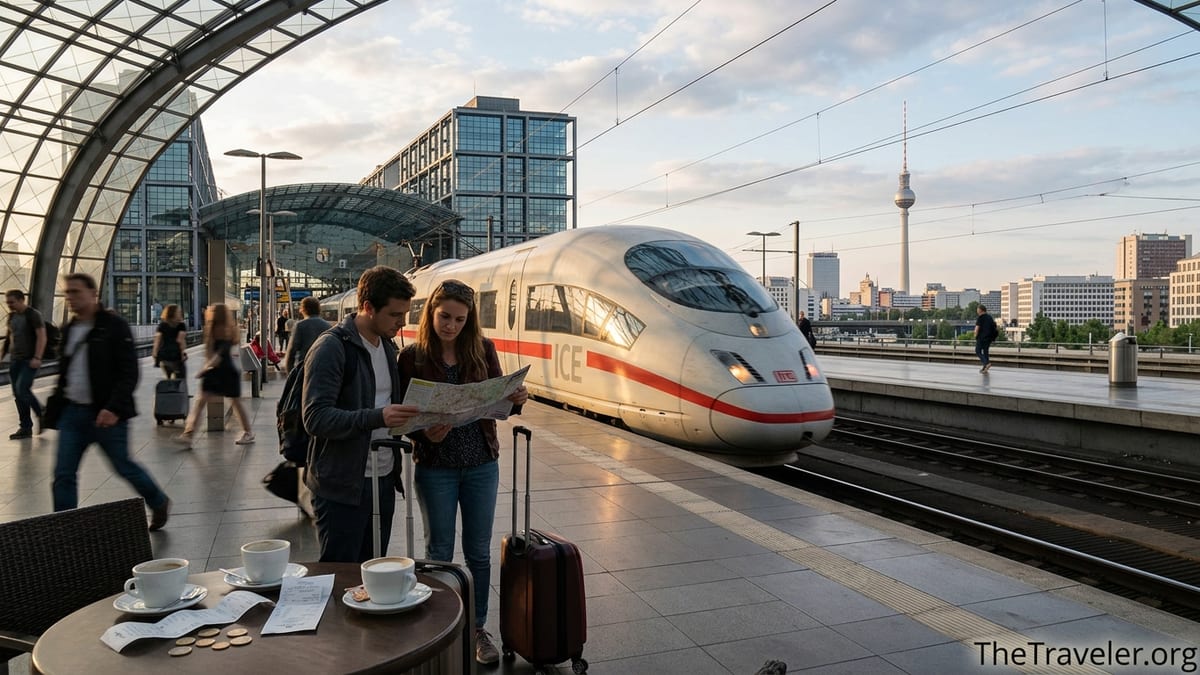
How Much Does a Trip to Germany Cost in 2026?
As of mid 2026, Germany sits in the middle of the Western Europe price spectrum. It is noticeably cheaper than Switzerland or the Nordic countries, but generally more expensive than many parts of Southern or Eastern Europe. Travelers feel this most clearly when looking at restaurant menus and hotel rates in major cities such as Berlin, Munich and Hamburg.
For a typical trip that combines two big cities and a few days in a smaller town, a realistic daily budget before flights looks roughly like this: budget travelers can get by on about 80 to 120 euros per person per day if they use hostels or simple guesthouses, eat mainly casual meals and rely on regional trains or long distance buses. Mid range travelers staying in three star hotels, eating one sit down meal per day and taking high speed trains should expect about 130 to 220 euros per person daily. If you prefer four and five star hotels, frequent restaurant meals and flexible transport, luxury budgets commonly start around 280 to 450 euros per person per day and can rise much higher.
These ranges include accommodation, local transport, food, and a couple of paid attractions or tours most days, but not long haul flights to Europe. Costs can jump in peak periods such as the Munich Oktoberfest in late September and early October, major trade fairs in cities like Frankfurt, or the pre Christmas market season in places such as Nuremberg and Dresden, when demand pushes hotel and even train prices higher.
Hotel and Accommodation Prices: From Hostels to Heritage Castles
Accommodation will be the largest line item in most Germany trip budgets. Prices vary strongly between big cities and small towns, weekdays and weekends, and of course by comfort level. In Berlin, recent cost of living surveys put a three course dinner for two in a mid range restaurant in the 50 to 100 euro range, and hotel prices track that same mid range positioning: not cheap, but gentler than Paris or London. In practice, a clean, modern three star hotel in central Berlin often starts around 110 to 150 euros per night for a double room if booked a few months in advance outside of major events.
Budget travelers can push costs lower by choosing hostels or simple pensions. A dorm bed in a reputable Berlin hostel typically runs around 25 to 40 euros per night, while a basic double room in a guesthouse or one star hotel might be available from 70 to 100 euros in cities and 60 to 80 euros in smaller towns. In university cities such as Leipzig or Freiburg, weekends outside major festivals can offer especially good value, whereas famous destinations like Heidelberg, Rothenburg ob der Tauber or Garmisch Partenkirchen often command higher rates for a similar standard of room.
Mid range and luxury options climb steadily. A comfortable four star business style hotel near Munich’s Hauptbahnhof can easily cost 170 to 250 euros per night in June or September, and well located boutique properties with design forward rooms often price from 220 to 320 euros. In Hamburg’s HafenCity or along Berlin’s central avenues, five star brands regularly list rooms in the 280 to 450 euro bracket and suites much higher. Breakfast is frequently an extra 15 to 30 euros per person, so factor that into your daily cost if it is not included in the rate.
Castle stays and countryside hotels are a special category. Germany’s Romantic Road region and the Rhine and Moselle valleys feature traditional half timbered inns and historic manor houses. An atmospheric room overlooking the Rhine near Koblenz or Bacharach may cost 140 to 220 euros per night including breakfast in high season. A night in a fully converted castle hotel, such as those perched above the Moselle, can range from about 220 euros for a standard double to 400 euros and beyond for suites, particularly on summer weekends. These memorable splurges fit most comfortably into a mid range or luxury budget and are easier to secure at favorable prices if booked several months ahead.
Trains, Buses and Rental Cars: Getting Around on Any Budget
Germany’s rail network remains one of the most efficient and comfortable ways to travel between cities. Long distance trains such as the ICE and IC lines connect Berlin to Munich in roughly four hours, Frankfurt to Hamburg in under four hours, and Munich to Cologne in about five. Deutsche Bahn’s saver fares for these routes can be very competitive when booked in advance, with one way second class tickets advertised from the low twenties in euros on some long distance routes, though flexible same day tickets for popular connections commonly land well above 80 euros and can top 120 euros in peak times.
For budget travelers, the key is to book early and be flexible about departure times. If you are planning a Berlin to Munich leg in September and can pick an off peak departure on a weekday, you might find saver tickets in the 30 to 60 euro range. Leaving the purchase until the last week and insisting on a prime Friday afternoon slot often doubles that price. Regional trains are priced differently, and day tickets like state passes can significantly lower the cost of exploring areas such as Bavaria or North Rhine Westphalia; for example, a regional day ticket for a small group can often bring the per person cost of multiple rides down into the low tens of euros.
Intercity buses still operate on some routes and can occasionally undercut rail fares for those willing to trade time for savings. A Berlin to Dresden bus, for instance, may be priced in the 10 to 25 euro range and take about two and a half to three hours, while a bus from Munich to Prague can sometimes be found for around 20 to 40 euros. Buses are generally more appealing to backpackers and budget travelers, and schedules can be reduced on certain days, so they take more planning than simply walking into a train station.
Rental cars open up castles, alpine valleys and villages that are awkward by train, but the costs stack up quickly. In 2026, compact manual cars from major rental brands at Germany’s airports and city centers often start around 40 to 70 euros per day before insurance, with automatic transmissions often adding 10 to 15 euros per day. Fuel is a major component: German motoring organizations report average petrol prices around 2 euros per liter across multiple states in mid 2026, which translates to roughly 9 euros per imperial gallon. A day of driving 250 kilometers in a typical compact car can easily consume 25 to 30 euros of fuel. Motorways are free, but some city centers have low emission zones that may restrict older vehicles, and parking in big cities often runs 2 to 4 euros per hour or 15 to 25 euros per full day in garages.
Food and Drink: What You Really Spend in Restaurants and Cafes
Food is where many Germany visitors underestimate their spending. Groceries remain relatively affordable, and you can assemble a picnic lunch of bakery bread, cheese, fruit and drinks from a supermarket for well under 10 euros per person. Eating out, however, is not cheap by international standards. Recent cost of living data for Germany places a sit down three course dinner for two at a mid range restaurant in the 50 to 100 euro range before drinks. In practice, a main course like schnitzel with potatoes or a plate of käsespätzle in a casual but nice restaurant might cost 15 to 23 euros, with a beer adding 4 to 6 euros and a dessert another 6 to 9 euros.
At lunch, you can save by choosing daily specials, kebab stands, or bakery counters. A döner kebab in many German cities typically runs 5 to 8 euros, a hearty bakery sandwich 4 to 7 euros, and a takeaway currywurst with fries around 6 to 9 euros. A simple sit down lunch in a brasserie or biergarten, such as a sausage plate with sides and a nonalcoholic drink, usually ends up in the 12 to 18 euro range per person. Fast food combo meals from multinational chains generally cost around 10 to 12 euros.
Cafes and drinks can quietly inflate your daily budget. A cappuccino in Berlin, Munich or Frankfurt commonly costs 3 to 4.50 euros, and a slice of cake another 3.50 to 6 euros. In many bars, a 0.5 liter draft beer is 4.50 to 6.50 euros, while a glass of basic house wine might be 6 to 8 euros in city centers. Tipping practices are straightforward: locals often round up by a euro or two or add about 5 to 10 percent for table service, telling the server the total they wish to pay when the bill comes.
For budgeting purposes, a backpacker who buys supermarket breakfasts, quick counter lunches and only occasional restaurant dinners can often keep daily food costs near 20 to 30 euros. A mid range traveler who enjoys cafe breakfasts, a casual lunch and a proper restaurant dinner with drinks is more likely to spend 35 to 60 euros per day on food and beverages. Those who favor multi course dining, cocktails and hotel breakfasts should not be surprised if their daily food and drink outlay rises to 70 to 120 euros or more.
Castles, Museums and Tours: What Attractions Really Cost
Germany’s cultural attractions are excellent value compared to many other Western European countries, but tickets still add up quickly over a multi city itinerary. Many city museums charge in the 8 to 16 euro range for adult admission. For example, a major art or history collection in cities such as Munich or Berlin often prices standard adult tickets around 12 to 18 euros, with combination passes offering small discounts if you commit to several institutions. Special exhibitions can carry surcharges, and Sundays sometimes feature reduced or flat rate pricing in certain cities.
Castles and palaces are a highlight of many trips. Entrance to well known sites such as Neuschwanstein Castle in Bavaria or the palaces of Potsdam near Berlin typically falls between 15 and 25 euros for an adult ticket, especially when mandatory guided tours are included. Many of these sites also charge a small online booking fee and specific photography fees, so reading the current conditions carefully is essential. Smaller regional castles, such as those dotting the Middle Rhine Valley, may ask 5 to 10 euros for entry, and some ruins are freely accessible, though parking lots below them may be paid.
Guided tours and day trips vary significantly by region. A walking tour of central Berlin or Munich given in English is often priced between 15 and 25 euros per person for a two or three hour experience, with some operators running “free” tours that rely on tips. A full day group tour to the Romantic Road towns and Neuschwanstein Castle from Munich can easily cost 60 to 120 euros per person, not including your separate entrance ticket and lunch. Private guides naturally sit at the top end; a bespoke half day city tour with a licensed guide might begin around 180 to 250 euros in major cities and rise with additional hours, language specializations or transport.
Travelers who enjoy a mix of paid and free experiences often find that allocating around 10 to 20 euros per day for museum and castle entries, plus another 10 to 30 euros per day averaged out over the trip for tours and special activities, yields a comfortable attractions budget. Those who plan many guided excursions, opera tickets or river cruises should increase that allowance accordingly.
Sample Daily Budgets: Budget, Mid Range and Luxury
To translate all of these pieces into practical planning, it helps to visualize complete daily budgets based on realistic Germany travel styles. The following examples assume two people traveling together and sharing a double room, and they omit flights to and from Europe.
A budget oriented couple staying in hostels or simple guesthouses outside the very center might spend 80 to 120 euros per person per day. That might break down as 35 to 50 euros each for accommodation in a shared or basic private room, around 20 to 30 euros for food by relying on supermarket breakfasts, street food lunches and only occasional restaurant dinners, about 10 to 20 euros for regional transport or one long distance bus or discounted train ride every few days, and 10 to 20 euros for attractions and miscellaneous extras such as a beer in the evening or a small souvenir.
A mid range pair who prefer three star city center hotels, daily restaurant dinners and high speed trains will more likely land in the 130 to 220 euro per person per day range. In this scenario, accommodation accounts for about 60 to 110 euros each per night in a solid three star or entry level four star property, food might be 35 to 60 euros per day with at least one proper restaurant meal, transport averages 15 to 30 euros per person as saver fare train tickets and public transport passes accumulate, and attractions, tours and small shopping purchases add another 20 to 40 euros. This level allows you to book the popular Neuschwanstein tours, join a Rhine cruise, and try a tasting menu or two without constant cost anxiety.
Luxury travelers staying in four and five star hotels in central locations and choosing flexible rail tickets or private transfers should plan for at least 280 to 450 euros per person daily, and more if they enjoy designer shopping or fine wine. A five star city hotel often comes to 150 to 230 euros per person per night on a shared basis before breakfast, food and drink can easily total 70 to 150 euros daily with upscale dinners and cocktails, transport rises to 30 to 60 euros per person as taxis and first class train tickets enter the mix, and attractions plus spa treatments, concerts and private guides might be another 40 to 80 euros each.
Money Saving Tips Without Sacrificing the Experience
While Germany is not a true bargain destination, thoughtful planning can lower costs significantly without stripping out the experiences that make a trip memorable. One of the simplest steps is to be flexible with timing. Hotel and train prices are sensitive to major trade fairs, holidays and school breaks. Shifting a visit to Berlin from a big trade fair week to the following week in November or from the height of summer to late September can trim nightly hotel rates by dozens of euros. Likewise, traveling on Tuesday or Wednesday rather than Friday or Sunday often yields cheaper rail fares on popular routes.
Location strategy also matters. In cities like Munich, staying one or two U Bahn stops from the absolute center can reduce hotel prices dramatically while keeping your commute under 15 minutes. In the Rhine Valley, choosing a less famous but still charming village a few kilometers from postcard hubs can provide more affordable inns and restaurants while leaving the region’s castles and river cruises fully accessible. Booking cancellable rates and then checking back for price drops as your dates approach sometimes allows mid range and luxury travelers to upgrade for less.
On the food side, leaning on supermarket breakfasts and quick lunches frees up budget for memorable dinners in beer halls, wine taverns or contemporary bistros. Many bakeries offer sit down or takeaway breakfasts for 5 to 8 euros, including coffee and pastries, compared with hotel buffets at three times that price. Picking one or two restaurant dinners per destination that you truly anticipate and filling the rest of your meals with casual options often feels more satisfying than constant compromise.
Finally, look for city cards, rail passes and combination tickets that match how you actually travel. A transport and museum card in cities like Berlin or Munich can be good value if you plan to ride public transport several times per day and visit two or more major sights daily, but poor value if you mainly walk and prefer free outdoor attractions. Similarly, Deutsche Bahn’s nationwide rail passes and state day tickets are best for travelers who plan many train journeys; if you are only taking a single intercity hop, booking a specific saver fare ticket in advance is usually cheaper.
FAQ
Q1. How much money do I need per day for a trip to Germany?
Most visitors should plan between 80 and 120 euros per person per day for budget travel, 130 to 220 euros for mid range comfort, and 280 euros or more for a luxury experience, excluding international flights.
Q2. Are trains in Germany expensive compared to driving?
Intercity trains can be pricey when bought last minute, but advance saver fares often undercut the total cost of driving once fuel, parking and rental fees are included, especially for solo travelers.
Q3. Is Germany cheaper than France or Italy for tourists?
Germany is generally similar to or slightly cheaper than France in cities, and often a bit more expensive than many regions of Italy, though exact comparisons depend heavily on where and how you travel.
Q4. How much does a typical restaurant meal cost in Germany?
In a mid range restaurant, expect to pay around 15 to 23 euros for a main course, 4 to 6 euros for a beer and 6 to 9 euros for dessert, with three course dinners for two commonly landing between 50 and 100 euros before drinks.
Q5. Can I visit famous castles like Neuschwanstein on a tight budget?
Yes, but you should plan carefully. Castle tickets often cost 15 to 25 euros, and reaching remote sites can add transport expenses, so combining several sights in one day and using regional passes helps control costs.
Q6. Are hostels in Germany safe and suitable for older travelers?
Many German hostels are clean, regulated and welcome travelers of all ages, though the atmosphere varies by property. Private rooms in hostels or simple guesthouses are a good compromise for older budget conscious visitors.
Q7. How much should I budget for attractions and tours?
Most travelers do well allocating around 20 to 40 euros per person per day for a mix of museum entries, castle tickets and occasional guided tours, averaging costs across the whole trip.
Q8. Is it necessary to rent a car to see Germany’s castles and countryside?
No, many castles and scenic areas are accessible by train and bus, but a rental car offers more flexibility in rural regions. For city focused trips, public transport is usually cheaper and more convenient.
Q9. How can I keep food costs down without only eating fast food?
Rely on bakery breakfasts, supermarket snacks and casual lunches such as kebabs or market stalls, then save your money for a few carefully chosen restaurant dinners in each destination.
Q10. When is the cheapest time of year to visit Germany?
Late winter, early spring and parts of November often bring lower hotel rates and fewer crowds, while peak summer, Christmas markets and big festivals usually see the highest prices.