


Germany is one of Europe’s easiest countries for first-time visitors, combining efficient transport with historic cities, fairy-tale castles, forested hills, and vineyard-lined rivers. Whether you are planning a long weekend or a two-week itinerary, understanding how trains work, what things actually cost, and how regions like Bavaria, the Black Forest, and the Rhine Valley fit together will help you build a smooth, memorable trip.
Understanding Germany’s Regions and How They Fit Together
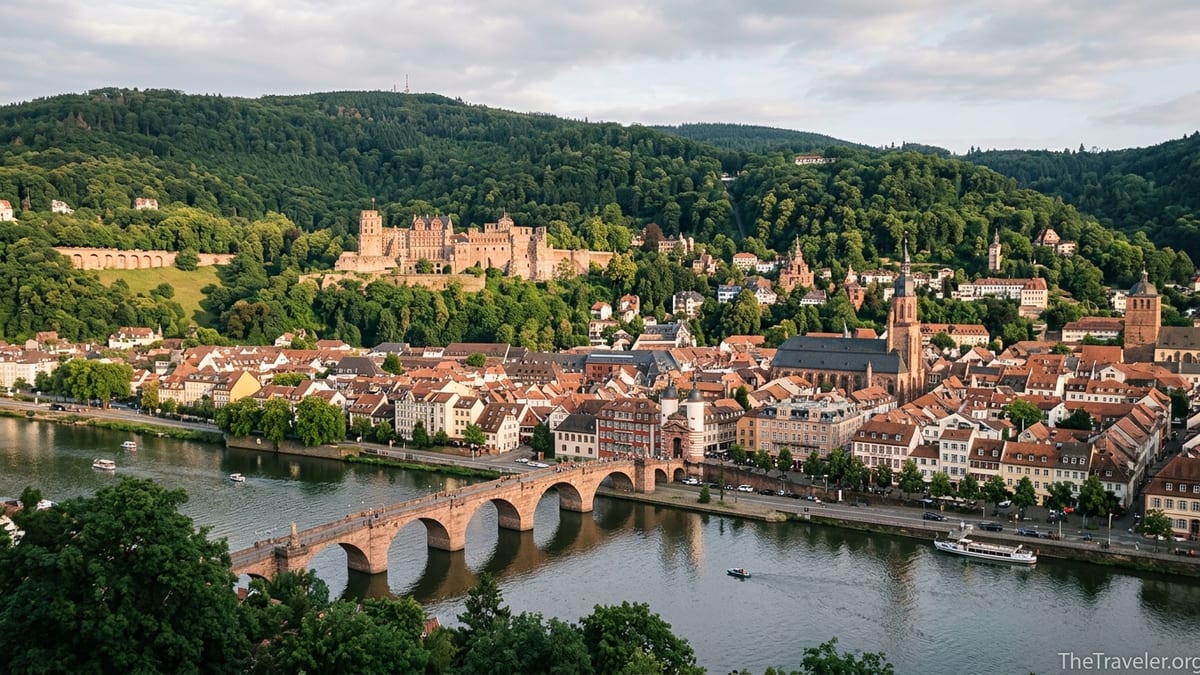
Germany looks compact on a map, but its main regions each have a distinct character. Berlin in the northeast is the political and cultural capital, once divided by the Wall and now famous for its nightlife, street art, and museums. Munich in the south is the gateway to the Alps and Bavaria’s beer halls. Hamburg is a maritime city on the Elbe River with a working port and brick warehouses. Cologne anchors the west with its Gothic cathedral and Rhine River cruises, while the surrounding Rhine Valley, Black Forest, and Bavarian countryside offer smaller towns and scenery.
For a first trip of 7 to 10 days, many visitors combine Berlin with either western Germany (Cologne and the Rhine) or southern Germany (Munich and Bavaria). For example, you might fly into Berlin, spend four nights exploring its neighborhoods like Mitte and Kreuzberg, then take a high-speed train to Munich for three nights and a day trip to Neuschwanstein Castle. With 12 to 14 days, you could add two nights along the Middle Rhine between Koblenz and Rüdesheim or three nights in the Black Forest around Freiburg.
Distances are manageable but not trivial. Berlin to Munich by high-speed ICE train takes around four hours, while Munich to Hamburg can be closer to six. This means it is usually better to focus on two main bases plus one countryside stop instead of trying to “do” the entire country in one visit. Think in clusters: Berlin and Dresden in the east, Cologne plus the Rhine in the west, or Munich, Nuremberg, and the Bavarian Alps in the south.
Because Germany is highly connected by rail and domestic flights, you do not need to return to the city where you landed. Open-jaw tickets work well: for instance, arrive in Frankfurt, travel the Rhine and Munich, and depart from Berlin. This often saves backtracking time and can be cost-neutral compared with simple round-trip flights, depending on fares from your home airport.
Essential City Highlights: Berlin, Munich, Hamburg, and Cologne
Berlin rewards at least three full days. First-time visitors typically start at the Brandenburg Gate, walk the Unter den Linden boulevard, and spend time on Museum Island, home to the Pergamon and Neues Museum. The Memorial to the Murdered Jews of Europe and the Topography of Terror offer essential context on World War II and the Nazi era. For modern Berlin, head to East Side Gallery to see murals painted on a remaining stretch of the Berlin Wall and spend an evening in Kreuzberg or Neukölln, where casual restaurants range from inexpensive kebab stands to trendy wine bars.
Munich combines Bavarian tradition with a polished, wealthy city feel. Marienplatz, with its Glockenspiel clock tower, is a natural starting point. From there you can walk to the Viktualienmarkt food market to snack on pretzels and local cheese, or tour the Residenz, the former royal palace. Many visitors schedule a classic evening at a beer hall such as the Hofbräuhaus or Augustiner-Keller, where a liter of beer and a plate of roast pork with dumplings sets the tone. On a clear day, locals escape to the English Garden, a huge city park where surfers ride a standing wave on the Eisbach river.
Hamburg, about 1 hour 45 minutes by train from Berlin, centers on its historic port and canals. The Speicherstadt district, with its tall red-brick warehouses and narrow waterways, is especially atmospheric at dusk. The Elbphilharmonie concert hall has become an architectural icon; you can visit its plaza for city and river views even if you do not attend a performance. Nearby St Pauli and the Reeperbahn form the city’s nightlife zone, filled with bars and live-music venues that stay busy into the early hours.
Cologne is known first for its towering cathedral right outside the main train station. Climbing the south tower rewards you with views over the Rhine and the Hohenzollern Bridge, where trains constantly cross the river. The Old Town has narrow lanes and traditional Kölsch beer halls where local beer is served in small, 0.2-liter glasses. Many travelers pair Cologne with a Rhine day trip to nearby towns like Bonn, Königswinter, or Koblenz, reachable by regional trains or riverboats.
Classic Landscapes: Bavaria, the Black Forest, Rhine Valley, and Castles
Bavaria offers Germany’s most stereotypically “storybook” scenery. From Munich, trains reach Füssen in about two hours, where buses connect to Neuschwanstein Castle. Standard adult admission for Neuschwanstein from early 2025 is roughly just over 20 euros per person, with an extra service fee if you reserve online, and time slots often sell out in peak season. Many visitors stay one night in Füssen or nearby Schwangau to walk around the Alpsee lake and see both Neuschwanstein and the older Hohenschwangau Castle without rushing.
Beyond Neuschwanstein, the Bavarian Alps around Garmisch-Partenkirchen and Berchtesgaden are ideal for hiking and alpine views. In Garmisch, a popular outing is to take the cogwheel train and cable car to the Zugspitze, Germany’s highest peak, for panoramic views into Austria. Around Berchtesgaden, boat trips on the emerald Königssee and trails in the Berchtesgaden National Park show a quieter side of the Alps. Many first-time visitors base themselves in Munich and visit one or two of these areas as day trips, but spending two or three nights in the mountains provides a more relaxed experience.
The Black Forest lies in southwest Germany near the French and Swiss borders. Freiburg im Breisgau, with its Gothic cathedral and cobbled lanes, works well as a base. From there, regional trains and buses reach Titisee and Schluchsee lakes, the family-friendly Feldberg ski and hiking area, and smaller villages known for traditional farmhouses and cuckoo clocks. Many local guesthouses include a tourist card that offers discounts on cable cars and local transport, making it easier to explore without a car.
The Middle Rhine Valley between Bingen and Koblenz is another highlight region, known for steep vineyards and more than 20 castles overlooking the river. Towns such as Bacharach, St Goar, and Boppard have half-timbered houses and riverside promenades. Riverboats operate between these towns in season, usually from April to October. A typical day might involve taking a morning train from Cologne to Koblenz, boarding a mid-morning boat downstream to Bacharach, visiting a hilltop castle such as Burg Stahleck, and returning by train in the evening.
Getting Around: Trains, Driving, and Local Transport
Germany’s train network is dense, with a clear distinction between long-distance and regional services. High-speed ICE and IC trains connect major cities such as Berlin, Munich, Hamburg, and Cologne with reserved seats available for an extra fee. Regional trains, labeled RE or RB, link smaller towns and can be combined with local S-Bahn suburban trains, U-Bahn subways, trams, and buses on integrated tickets in most regions. For instance, a single ticket in Munich can cover an S-Bahn ride from the airport and onward U-Bahn and tram connections in the city zones you select.
For visitors who plan frequent rail travel, special tickets can reduce costs. Regional day passes known as Länder-Tickets allow unlimited travel on regional trains within one German state or a defined area for one day, usually for one to five people traveling together. Examples include the Bayern-Ticket for Bavaria or the NRW day ticket around Cologne and Düsseldorf. For nationwide regional travel, there is a pass that lets you use regional trains across Germany for one day, which can be good value for slower, scenic routes instead of high-speed trains. Prices change periodically, so it is worth checking current offers in ticket machines or apps when planning your route.
On busy intercity routes, point-to-point tickets booked in advance for specific trains often cost significantly less than flexible tickets bought on the day. For example, a same-day flexible Berlin to Munich ICE ticket can be over 100 euros in second class, while discounted advance fares bought weeks ahead sometimes fall closer to 40 or 50 euros. These promotional fares are train-specific and non-flexible, so they work best when your schedule is firm.
Driving can be useful in rural areas like parts of Bavaria or the Black Forest, where public transport is less frequent in the evenings. Major rental brands operate at airports and city centers, and automatic transmissions are widely available, though usually at a higher daily rate than manual cars. Remember that German cities often have environmental zones where vehicles need a sticker; rentals are typically equipped, but it is wise to confirm. Speed limits vary, and while some stretches of autobahn do not have a fixed limit, many others do, and fines for speeding or parking violations are enforced.
Accommodation, Food, and Typical Travel Costs
Accommodation in major cities covers everything from hostels to design hotels and serviced apartments. In Berlin, a centrally located midrange hotel in Mitte or Prenzlauer Berg might cost around 120 to 180 euros per night for a double room in high season, while simple guesthouses and older three-star properties may fall closer to 90 to 120 euros. In Munich, especially during events such as Oktoberfest or major trade fairs, prices can double, and even basic rooms can exceed 250 euros per night, so booking months ahead is important if you travel in late September or early October.
Smaller cities and rural regions are often more affordable. In Rhine Valley towns like Bacharach or St Goar, family-run hotels and guesthouses typically offer doubles in the 90 to 140 euro range, often including breakfast. In the Black Forest, farm stays and pension-style guesthouses might charge similar rates, and sometimes include extras such as local transport cards. Holiday apartments are common in both rural and urban areas and can be economical for families or longer stays, although they may require cleaning fees and minimum nights.
Food costs vary by city but are generally moderate by Western European standards. In Berlin, an inexpensive lunch such as a döner kebab or a plate of currywurst with fries can be under 10 euros, while a casual sit-down meal with a drink often runs 15 to 25 euros per person. In Munich or Hamburg, main courses in popular central restaurants might average 18 to 30 euros, with beer around 4 to 6 euros for a half-liter in a typical beer hall. Bakeries are excellent budget options throughout Germany, selling fresh rolls, sandwiches, and pastries that can make a substantial breakfast for just a few euros.
Overall daily budgets for a first-time visitor depend heavily on accommodation and how many paid attractions you include. A budget-conscious traveler staying in hostels or simple guesthouses and focusing on free walking tours and parks might aim for 80 to 120 euros per person per day, excluding long-haul flights. A midrange traveler in comfortable hotels, dining out once or twice daily, and using a mix of advance train tickets and regional passes may spend in the region of 150 to 220 euros per day.
Weather, Seasons, and When to Visit
Germany has a temperate climate with four distinct seasons, and conditions vary between lowland northern cities and the Alps. Winters from December to February are cold, with short daylight and a real chance of snow in southern Germany and higher elevations. Berlin and Hamburg often hover around freezing, with a mix of gray skies and clear, crisp days. This season is atmospheric for Christmas markets in cities like Nuremberg, Cologne, and Dresden, where old town squares fill with wooden stalls selling mulled wine and handcrafted gifts, but some smaller attractions outside major cities may run reduced hours.
Spring, from late March to May, is a pleasant time for a first visit. Trees bloom along the Rhine and in city parks, and daytime temperatures in cities typically climb into the low to mid-teens Celsius, rising higher by May. By April, river cruises on the Rhine and Moselle are usually operating, though evenings can still be cool. In the Black Forest and Bavarian Alps, snow may linger on higher trails into late spring, but valley paths open earlier, allowing easier hikes and lake walks.
Summer, from June to August, is peak season. Expect long daylight hours, outdoor dining, and lively beer gardens. Warm spells can bring temperatures above 30 degrees Celsius, especially in cities like Berlin, Frankfurt, or Cologne, and occasional heatwaves have become more common in recent years. Popular sites such as Neuschwanstein Castle, the Rhine Valley, and major museums in Berlin see their highest visitor numbers; lines can form at ticket offices by mid-morning. Booking timed-entry tickets and traveling early or late in the day helps avoid the worst crowds.
Early autumn, particularly September and early October, offers a mix of mild weather and colorful foliage along the Rhine and in the forests. This is also when Munich’s Oktoberfest runs for about two weeks starting in late September, sending hotel prices in and around the city sharply higher. Outside big festival weeks, autumn can be one of the most comfortable and visually rewarding seasons to explore, with vineyards on the Moselle and Rhine turning shades of yellow and red.
First-Time Planning Tips and Itinerary Ideas
For a first-time visit of about one week, consider focusing on one city and one scenic region. For example, you might spend four nights in Berlin, taking a day trip to Potsdam to see Sanssouci Palace, then fly or take a high-speed train to Munich for three nights, with a day trip to Neuschwanstein or a half-day visit to Dachau Memorial Site. This combination balances urban history, culture, and a taste of Bavaria without requiring a rental car.
With 10 to 12 days, a classic loop includes Frankfurt, the Rhine, and southern Germany. A sample route could be: arrive in Frankfurt, travel immediately to a Rhine town such as Boppard for two nights, continue by train to Cologne for two nights, then head to Munich for four nights before returning to Frankfurt for your flight. Along the way, you could add a short stop in Nuremberg or Rothenburg ob der Tauber, both accessible by train from Munich or Frankfurt, to experience preserved medieval town centers and city walls.
If you prefer landscapes and small towns, you might split two weeks among the Black Forest, Lake Constance, and the Bavarian Alps. Start in Freiburg for three or four nights, using regional trains and buses to visit Titisee, Triberg, or Feldberg, then continue to Lindau on Lake Constance or to Füssen and Garmisch-Partenkirchen for alpine hikes. Renting a car for part of this route can make it easier to reach trailheads and rural guesthouses, though it is not strictly necessary if you are comfortable with bus timetables.
When planning, keep travel days realistic. Try to limit major train journeys to every two or three days and aim to arrive in your next city by mid-afternoon so you can orient yourself and have a relaxed evening. Check the schedules and approximate prices of your longest city-to-city journeys in advance and decide whether saving money with slower regional trains makes sense or whether the time savings of a high-speed ICE are worth the extra cost. Booking key tickets such as Neuschwanstein tours, popular museum time slots, and any high-demand trains at least a few weeks ahead is advisable, especially in summer and around major holidays.
FAQ
Q1. How many days do I need for a first trip to Germany?
Most first-time visitors are comfortable with 7 to 12 days, which allows time for one or two major cities and at least one scenic region without rushing between too many places.
Q2. Is it better to use trains or rent a car in Germany?
For itineraries focused on cities like Berlin, Munich, Hamburg, and Cologne, trains are usually faster and easier. A rental car becomes more useful in rural areas such as the Bavarian Alps or parts of the Black Forest where public transport is less frequent.
Q3. How expensive is Germany compared with other European countries?
Germany generally falls in the middle of Western Europe for costs. City-center hotels and restaurant meals are typically less expensive than in Switzerland or Scandinavia but can be similar to France, the Netherlands, or Austria.
Q4. Do I need to book train tickets in advance?
Regional tickets and local transport usually do not require advance purchase. It can be worth booking high-speed ICE or IC tickets between major cities in advance when you want discounted fares that are tied to specific trains.
Q5. Is English widely spoken in Germany?
In major cities, tourist areas, and train stations, many people speak at least basic English, and younger Germans often speak it well. In smaller towns, fewer people may be fluent, but you can generally manage with simple phrases and gestures.
Q6. What is the best time of year to visit Germany?
Late spring from May to June and early autumn from September to early October offer mild weather and fewer crowds than peak summer, though each season has its own appeal.
Q7. Can I use contactless cards and mobile payments easily?
Contactless credit and debit cards and mobile wallets are increasingly accepted, especially in cities, chain stores, and train stations. Still, it is wise to carry some cash for small bakeries, market stalls, or rural guesthouses.
Q8. How far in advance should I book accommodation?
In busy periods such as summer, Christmas market season, and major events like Oktoberfest, booking several months ahead is recommended. At quieter times, a few weeks’ notice is often enough in most cities.
Q9. Are tap water and food safe in Germany?
Yes, tap water is safe to drink across Germany, and food safety standards are high. In restaurants, you may need to ask specifically if you want tap water rather than bottled mineral water.
Q10. Do I need to tip in restaurants and taxis?
Service charges are usually included in menu prices, but it is customary to round up or add about 5 to 10 percent in restaurants and to round up fares for taxis if service was good.