


Southern Germany looks inviting on every Instagram feed, but the experience on the ground changes dramatically from month to month. Snowy castle views in January, beer gardens and lake swims in July, misty forest hikes in October and fairy lights over medieval squares in December all feel like different countries. To choose the right time for your trip, you need to match Bavaria, the Black Forest, the Alps and Lake Constance to your priorities: hiking, skiing, Christmas markets, or lazy lakeside days, plus your tolerance for crowds and hotel prices.
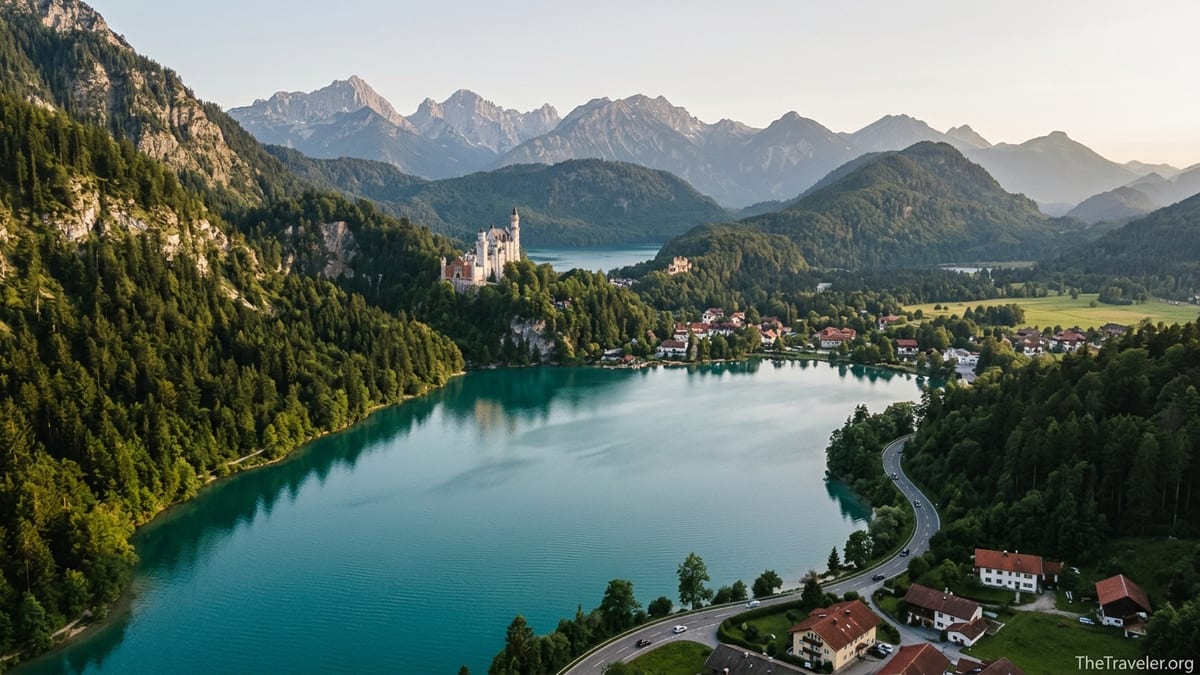
How Southern Germany’s Seasons Really Feel
Southern Germany sits where Central European seasons are at their most dramatic. In Munich, the capital of Bavaria, average highs climb from around 4 to 5 degrees Celsius in January and February to about 23 degrees in July, with frequent summer thunderstorms and a pronounced winter chill. That pattern holds across the Bavarian Alps, the Black Forest and Lake Constance, with local twists from altitude and the moderating effect of big lakes. In practice this means ski season, hiking season, lake‑swimming season and Christmas‑market season rarely overlap perfectly in one place.
The Bavarian Alps around Garmisch‑Partenkirchen and Berchtesgaden run colder and snowier than Munich, which helps ski areas like Garmisch Classic and Zugspitze hold snow from roughly December into March most years. By contrast, the Black Forest ranges from relatively mild vineyards along the Rhine to the high Feldberg plateau, which has a subalpine climate and can see snow in any month, even if that is rare. Lake Constance, anchored by towns like Konstanz, Lindau and Meersburg, is milder again; the lake stores summer warmth so frosts arrive later and autumn lingers longer.
Prices and crowds follow the weather. July and August bring packed trails near Neuschwanstein Castle, full parking lots at Königssee and high‑season rates in resorts such as Oberstdorf or Titisee‑Neustadt. Ski periods over Christmas, New Year and school holidays are also expensive. Shoulder months like May, June and September can offer the best value: long days, good hiking conditions and more moderate rates in lakeside guesthouses and alpine pensions, especially mid‑week.
For most visitors, the sweet spots fall into three windows. Late May and June are ideal for hiking, road trips and castles before peak crowds, with meadows in bloom in the Allgäu and Black Forest. September blends stable weather with calmer trails and vineyards turning gold. Early December delivers the classic Christmas‑market atmosphere in cities like Munich and Nuremberg and in small towns such as Rothenburg ob der Tauber, often at lower prices than the New Year period.
Winter (December to February): Skiing, Castles in Snow and Christmas Markets
Winter in southern Germany splits into two distinct experiences: the festive glow of December and the deep‑winter quiet of January and February. December is Christmas‑market season, with Munich’s main Marienplatz market, Nuremberg’s Christkindlesmarkt and smaller markets in Freiburg and Konstanz drawing both German families and international visitors. Expect daytime temperatures close to freezing in Munich and colder in the higher Alps, with a realistic chance of snow transforming Neuschwanstein, Hohenschwangau and Linderhof into the fairy‑tale scenes many travelers dream of.
Hotel prices and flights spike in the second half of December, especially around Christmas and New Year. A mid‑range hotel near Munich’s old town that might cost 130 to 170 euros in November can easily reach 220 euros or more over New Year’s Eve. In the Bavarian Alps, family‑run ski guesthouses in Garmisch or Berchtesgaden sell out months in advance for this period. If you mainly want Christmas markets rather than skiing, early December is often better value: markets are open, crowds are manageable on weekdays and rates are lower than over the holidays.
January and February are the core ski months. Snow cover in the Bavarian Alps and on the Feldberg in the Black Forest is usually at its best, lifts are fully operational and you can ski everything from beginner slopes in Oberammergau to the glacier‑backed pistes on Zugspitze. In these months, daylight is short and it can be brutally cold, especially with wind on exposed ridges, but hotel prices fall slightly outside school holidays. For example, a simple pension in Oberstdorf or Titisee might drop back into the 90 to 120 euro per night range for a double room, with breakfast, compared to higher festive‑season prices.
For lakes and lower‑altitude areas, mid‑winter is atmospheric but limited. Lake Constance can be grey and foggy, with occasional snow along the shore and water temperatures firmly too cold for anything but hardy winter swimmers. Many lakeside hotels and boat operators scale back operations, although larger towns like Konstanz and Lindau keep a good range of restaurants and indoor attractions open. Road trips are possible, but you must be prepared for snow on higher passes and occasional closures of scenic backroads in both the Alps and Black Forest.
Spring (March to May): Unpredictable Skies and Greening Landscapes
Spring is the most unpredictable period, particularly in March and April. In Munich, typical March highs sit around 9 to 11 degrees Celsius, but cold snaps and late snowfalls are not unusual. Alpine regions can swing from sunny, almost spring‑like days back to full winter conditions in 24 hours. This is the classic time for what locals call weather breakouts, when a pleasant hike from Garmisch or Berchtesgaden can suddenly turn into driving sleet by afternoon. If you travel in March, plan flexible routes and bring full waterproofs, including gloves and hat, even for lower‑level walks.
By April the lowlands brighten. Flowering trees line the streets of Freiburg in the Black Forest and vineyards along the Rhine and Lake Constance start to bud. Yet April in southern Germany is notorious for mood swings: you might sit outside a café in Freiburg in a T‑shirt at 20 degrees Celsius one day, then wake up to cold rain at 6 degrees the next. Road trips are still very feasible, but serious alpine hiking at higher elevations is limited by snowfields and muddy trails. Spring is, however, a good month to focus on castles and cities: touring Nymphenburg Palace or Residenz museums in Munich, or visiting Hohenzollern Castle and the university town of Tübingen, is comfortable without summer crowds.
May is when southern Germany really starts to shine for active travelers. In Munich and along Lake Constance, average daytime highs climb into the high teens and low twenties Celsius, and trees are in full leaf. In the Allgäu Alps and Black Forest, lower and mid‑altitude hiking trails open properly, meadows fill with wildflowers and cows are released back onto the pastures. A typical May day in Garmisch might allow you to hike the Partnachklamm gorge in a light jacket, then sit in a beer garden with a fleece in the evening. Crowds are still relatively light outside holiday weekends, and you can often find charming guesthouses around Füssen, Berchtesgaden or Titisee‑Neustadt in the 100 to 150 euro range for a double, with better availability than in peak summer.
For lake holidays, late May marks the transitional phase. Lake Constance’s water is still chilly for long swims, but hardy locals start dipping in on warm afternoons, and cycle paths around the shore fill with early‑season bikers. If your ideal trip mixes castles, moderate hikes and lakeside scenery without intense heat, late May into early June is one of the best windows, especially for Bavaria and the Black Forest.
Summer (June to August): Alpine Hiking, Lakes and Peak Crowds
Summer is when southern Germany matches the brochures. In June, July and August, Munich and its surroundings see average highs from around 21 degrees in June to 23 or 24 in July, with long daylight hours. The Bavarian Alps and Black Forest trails are mostly snow‑free below the highest ridges, and mountain huts open fully. This is prime time for classic routes such as the hike around Eibsee near Zugspitze, the Jennerbahn viewpoints above Königssee, the Wutach Gorge in the Black Forest and panoramic paths above Lake Constance with views to the Swiss Alps.
Lake Constance becomes a genuine lake‑holiday destination in these months. The water temperature often reaches the low twenties Celsius, warm enough for leisurely swims off the shore at Konstanz, Meersburg and Lindau, and for renting small pedal boats or stand‑up paddleboards. Ferries between German, Swiss and Austrian lakeside towns run frequent schedules, and the dedicated cycle route that loops the lake fills with families and long‑distance cyclists. This is also the best season for garden attractions such as Mainau Island, known for its flowers and lake views, which are at their peak bloom.
The flip side is crowding and price. July and August coincide with German and neighboring countries’ school holidays, so destinations like Neuschwanstein Castle can see several thousand visitors per day. Tickets for interior tours regularly sell out ahead of time, and queues at shuttle buses and viewpoints stretch. In practical terms, a mid‑range hotel in Füssen or Schwangau that might cost 120 euros in May can rise to 180 or more in late July, and popular Black Forest spa towns such as Baden‑Baden see similar jumps. Lakeside hotels on Lake Constance near Meersburg and Lindau also charge high‑season rates and often require minimum stays of two or three nights.
Weather in summer is pleasant but not always settled. Hot spells can send temperatures above 30 degrees Celsius in Munich, Freiburg and along the lake, followed by afternoon thunderstorms, especially in the Alps and Black Forest. For hikers, that means starting early to be off exposed ridges by mid‑afternoon and carrying light rain gear even when mornings look clear. For city visits, a warm evening in a Munich beer garden, a Freiburg wine tavern or a lakeside terrace in Lindau is one of the region’s great pleasures, but do factor in the need for shade and water on midday sightseeing.
Autumn (September to November): Gold Vineyards, Clear Views and Quieter Trails
Autumn is many locals’ favorite season in southern Germany. September, in particular, combines relatively stable weather with thinning crowds and rich colors. Average highs in Munich and Konstanz still sit comfortably in the high teens Celsius, and the air is often clear enough for crisp mountain views from vantage points like the Herzogstand near Kochelsee or the Feldberg summit in the Black Forest. Hiking is superb across Bavaria, the Black Forest and around Lake Constance, as woods turn yellow and orange and vineyards ripen along the Rhine and lake shore.
Prices in September are generally lower than in July and August, although the start of Munich’s Oktoberfest in late September pushes up rates in Munich itself and surrounding towns. If you want to combine alpine hiking with more affordable stays, basing yourself in places such as Garmisch‑Partenkirchen, Berchtesgaden, Mittenwald, Freiburg or the smaller Lake Constance towns in early to mid‑September works well. Guesthouses and smaller hotels are more likely to have same‑week availability, and you can often find doubles in the 110 to 160 euro range outside major events.
October brings more pronounced autumn color and a shift towards cooler, more changeable weather. In Bavaria and the Black Forest, you can have magnificent clear days perfect for exploring castle ruins above the Neckar, vineyard walks near Baden‑Baden or ridge hikes above Berchtesgaden, followed by stretches of grey drizzle. In the Danube valley and around Lake Constance, longer‑lasting mist or fog can settle, creating a moody atmosphere but sometimes limiting views. Daytime highs often range between 10 and 15 degrees Celsius at lower levels, dropping sharply in the evenings, so layers are essential.
By November, most high‑altitude hiking is effectively finished for the season without specialized equipment. Many mountain lifts close for maintenance in preparation for winter, and tourism in resort towns goes quiet. This can be a good time if you prefer peaceful city breaks to Munich, Nuremberg, Stuttgart or Konstanz, with lower hotel prices and easier museum visits. However, if your goal is scenic road trips, castles and lakes in their most photogenic state, November is generally the least appealing month, with bare trees, short days and frequent overcast skies.
Comparing Regions: Bavaria, Black Forest, Alps and Lake Constance
Choosing between Bavaria, the Black Forest, the Alps and Lake Constance is less about which is “best” and more about which season suits each region’s strengths. Bavaria, anchored by Munich, excels year‑round for city culture and castles. Winter offers easy access to Christmas markets and snow‑dusted palaces like Nymphenburg and Neuschwanstein; spring and autumn are perfect for combining urban time with day trips to lakes such as Tegernsee and Chiemsee; summer is ideal for beer gardens and river surfing on the Eisbach. Prices in Munich track major events like Oktoberfest and trade fairs, so a March or early May visit can deliver good value.
The Bavarian Alps are more seasonal. They are at their best for hiking from late June through September, when trails above Garmisch‑Partenkirchen, Berchtesgaden and the Allgäu valleys are mostly snow‑free. Skiers and snowboarders should aim for late December through early March for reliable conditions in areas such as Zugspitze, Garmisch Classic and Oberstdorf. Shoulder seasons can be beautiful but are riskier for mountain activities; if you plan a May visit focused on hiking, expect to stay on lower, valley‑level paths.
The Black Forest, stretching south from Baden‑Baden through Freiburg towards the Swiss border, offers one of the longest comfortable seasons. Lower elevations near the Rhine can feel almost Mediterranean on warm days from late April through October, making them ideal for wine‑tasting and half‑day hikes between villages. Higher areas like Feldberg and Titisee shift between ski and snowshoe terrain in winter and cool forest hiking in summer. Because the region spreads across a range of altitudes, you can often chase good weather by driving or taking the Black Forest Railway from misty lowlands up to sunnier ridges, or vice versa.
Lake Constance is the most strongly summer‑oriented region. While Konstanz and Lindau make pleasant bases for Christmas markets and winter walks, the lake really comes alive from June to September. That is when ferry timetables are fullest, shore promenades buzz into the evening, and water temperatures invite long swims and boat trips. Spring and autumn are excellent for cycling and quieter lakeside stays, especially in May and late September, when hotel prices dip and paths are less busy. If your priority is a classic European lake holiday, with swimming, sailing and vineyard visits in one base, plan for that June to early September window.
Choosing Your Month by Travel Style
For dedicated hikers, the prime window across southern Germany is generally mid‑June to late September, with an emphasis on July and early September for higher routes. In the Bavarian Alps and higher Black Forest peaks, snow lingers on shady slopes into June, and daylight starts to shrink by October. If you are combining day hikes with city time, early June and mid‑September strike a good balance between open trails and moderate temperatures. For example, a week split between Munich and Berchtesgaden in mid‑September typically offers comfortable hiking conditions plus cooler but pleasant evenings for outdoor dining.
Skiers and snowboarders should plan for late December to early March. Christmas and New Year bring a magical atmosphere but also full‑price lift passes and crowded slopes in major areas. If you want better value, consider mid‑January or early March mid‑weeks, when accommodation around Garmisch, Oberstdorf or Feldberg can be more affordable and lift lines shorter. In all cases, altitude matters; resorts with higher runs, such as Zugspitze, retain snow better at the margins of the season than low‑lying hills.
Travelers focused on Christmas markets and atmospheric cities should look at the period from late November through around December 23, before the quieter days right over Christmas. Markets in Munich, Nuremberg, Stuttgart, Augsburg, Ulm and many small towns typically open in the last week of November or very early December and run up to Christmas. Visiting on weekday afternoons often brings fewer crowds and sometimes slightly lower rates than Friday and Saturday nights. It is straightforward to combine two or three markets using Germany’s rail network, for example linking Munich and Nuremberg with a side trip to the Regensburg or Augsburg markets.
If your ideal trip is a road‑trip or rail loop with castles, lakes and scenic drives but no winter sports, target late May to early July or early to mid‑September. In these windows, alpine roads like those through the Allgäu and Berchtesgaden regions are open, lakeside promenades around Lake Constance and Chiemsee are active but not yet overwhelmed, and hotel prices, while not low, are less extreme than peak summer. A classic two‑week itinerary might include Munich, Füssen for castles, Garmisch or Berchtesgaden for the Alps, Freiburg for the Black Forest and Konstanz for Lake Constance, timed in June or September to maximize pleasant weather.
The Takeaway
There is no single best month to visit southern Germany, only the best month for your priorities. If you dream of snow‑globed castles and Christmas markets, aim for early to mid‑December and accept short days and chilly evenings. If you want high‑alpine hiking and lake swims, target June through early September, remembering that July and August bring the biggest crowds and highest prices. For many travelers, late May and September are the sweet spots, bridging good weather and manageable visitor numbers across Bavaria, the Black Forest, the Alps and Lake Constance.
Think of the region as a set of overlapping seasons: ski season from late December to March in the Alps and high Black Forest, hiking season from June to October depending on altitude, lake season at Lake Constance from June to September, and Christmas‑market season from late November to December. Match these layers to your interests, build in flexibility for Central Europe’s changeable skies and consider splitting your time between at least two regions. Do that, and southern Germany will reward you with exactly the version of itself you are hoping to find, whether that is a steaming mug of Glühwein under twinkling lights or a golden hour swim below the Alps.
FAQ
Q1. What is the best overall month to visit southern Germany for most travelers?
For a balance of pleasant weather, open hiking trails, moderate crowds and reasonable prices, September is often the best all‑round month, especially the first half before late‑month weather turns cooler and more changeable.
Q2. When is the best time to hike in the Bavarian Alps and Black Forest?
The main hiking season runs from mid‑June to late September. Lower and mid‑altitude trails can be enjoyable from May, but higher routes and ridgelines are more reliably snow‑free and safe from around late June onward.
Q3. When should I visit for Christmas markets in Bavaria and the Black Forest?
Most major Christmas markets operate from late November until December 23 or 24. For festive atmosphere with slightly fewer crowds and better hotel availability, early December weekdays are ideal.
Q4. Which months are best for a Lake Constance holiday with swimming and boating?
Plan for June through early September. Lake Constance’s water usually becomes comfortable for swimming in late June and stays that way through August, with frequent ferry connections and full tourist services.
Q5. When is ski season in southern Germany’s Alps and the high Black Forest?
Ski season typically runs from late December to early or mid‑March, depending on snowfall and altitude. Peak periods are Christmas to New Year and school holidays; quieter and often better‑value weeks fall in mid‑January and early March.
Q6. Is July or August better for visiting Neuschwanstein Castle and Bavaria’s lakes?
Both months are busy, but July can be slightly greener and a bit less crowded than August, which aligns with more European school holidays. In either month, booking castle tickets in advance and arriving early in the morning helps avoid the biggest lines.
Q7. Are March and April good months for a first trip to southern Germany?
March and April can be rewarding for city sightseeing and castles, but the weather is highly changeable and many high‑alpine activities remain limited by snow. If you accept the risk of rain and occasional cold snaps, you gain lower prices and quieter attractions.
Q8. How do hotel prices change between seasons in southern Germany?
Prices tend to be highest in July and August, over Christmas and New Year, and during big events like Oktoberfest in Munich. Shoulder months such as May, June and September, plus non‑holiday weeks in winter, generally offer better value and more availability.
Q9. Which region is best in winter if I do not ski?
For non‑skiers, basing in cities like Munich, Nuremberg or Freiburg works well, with Christmas markets, museums and day trips to castles and nearby lakes. Lake Constance towns such as Konstanz and Lindau also offer atmospheric waterfront walks and smaller winter markets.
Q10. Is it realistic to combine Bavaria, the Black Forest and Lake Constance in one trip?
Yes, in 10 to 14 days you can comfortably combine Munich and Bavaria, a Black Forest base near Freiburg or Baden‑Baden, and a few nights on Lake Constance. Trains and highways connect these regions efficiently, and June or September are particularly good months for such a loop.