

Eastern Germany rewards travelers who like variety. Within just a few hours by train from Berlin you can move from cutting-edge capital to Baroque river city, royal palaces, tranquil wetlands and sandstone peaks. This guide compares how to explore Berlin, Dresden, Potsdam, Spreewald and Saxon Switzerland, with a focus on real-world tour options, typical prices and when it makes sense to go guided or independent.
How to Structure an Eastern Germany Itinerary
Most travelers use Berlin as a base and then add overnight stays in Dresden or the Saxon Switzerland region. A common one-week pattern is three nights in Berlin, two in Dresden and two nights near Saxon Switzerland or as extra time in Dresden. From Berlin, day trips to Potsdam and Spreewald slot in easily, since both can be reached in about an hour by regional train.
Independent travelers often rely on Germany’s regional day tickets for flexibility. For example, a Berlin-Brandenburg ticket typically allows unlimited regional train and local transport in the region for one day for a flat, per-group price, which can make DIY trips to Potsdam or Spreewald very cost effective for couples or small groups. By contrast, longer moves such as Berlin to Dresden are better booked as advance long-distance tickets to secure lower fares on ICE or IC trains.
Multi-day guided tours based in Berlin or Dresden are aimed at visitors who prefer a single booking that covers hotels, transport and sightseeing. A typical six or seven day escorted itinerary combines Berlin city tours, a day trip to Potsdam, rail travel to Dresden plus a day excursion into Saxon Switzerland, with prices rising sharply for smaller groups and higher-end hotels. Travelers comfortable with public transport and online booking platforms tend to save money by arranging each component themselves.
When deciding between a fully guided circuit and a mostly independent trip, consider how much context you want on history and politics. Berlin and Dresden in particular benefit from expert guiding, whether through scheduled small-group tours or private guides, because the layers of the Second World War, GDR years and post-reunification rebuilding are not always obvious to a first-time visitor.
Berlin Excursions: Guided Walks vs Exploring Solo
Berlin is one of the easiest cities in Europe to explore independently. The central sights from the Brandenburg Gate and Reichstag to Museum Island and the Berlin Cathedral are walkable or a short U-Bahn ride apart. A well-designed self-guided day might start at the East Side Gallery, continue to Alexanderplatz and Museum Island, then move west to the Brandenburg Gate and the memorials around the Tiergarten.
Guided walking tours are popular because they compress complicated history into a few hours. Original Berlin Walks, for example, sells a “Discover Berlin” tour in English that runs around 3.5 to 4 hours, covering the Brandenburg Gate, Holocaust Memorial, Checkpoint Charlie and more, with ticket prices starting from around 20 euros per person for scheduled departures as of mid 2026. Other operators offer thematic walks on the Cold War, street art or food, with similar pricing for group tours and higher fees for private, custom walks.
Private city tours for groups are priced very differently. VisitBerlin’s own overview for group city tours lists a three-hour coach and walking combination with a guide fee around 200 euros per group, with extra charges if the tour starts or finishes in Potsdam rather than central Berlin. For a family of five or a small group of friends, that can be comparable in price to multiple tickets on scheduled group walks, but with more flexibility to tailor the route to personal interests.
Self-guided exploration makes the most sense in Berlin when your budget is tight and you enjoy museums. Berlin’s museum signage is usually detailed in both German and English, from the Pergamon’s temporary exhibits to the German Historical Museum, so independent visitors can absorb a lot without a guide. A hybrid approach works well: book one substantial small-group or private tour on your first full day to anchor your understanding, then explore subsequent neighborhoods like Kreuzberg, Neukölln or Charlottenburg on your own.
Dresden Tours: Baroque Splendor and Riverfront Walks
Dresden is compact, and most of its rebuilt Baroque core lies within a short walk of the main train station. That makes independent exploration simple, especially if you stay near the Old Town. You can stroll between the Frauenkirche, Zwinger Palace, Semper Opera and Brühl’s Terrace in a single loop, crossing over to the Neustadt riverside for skyline views.
At the same time, Dresden offers good value guided city tours that give structure to a half day. The city’s official tourism office promotes themed walking tours, with English-language options such as “See My Dresden” or Old Town highlights typically priced from the low to mid teens in euros per person on scheduled departures in 2025 and 2026. Another classic Old Town tour runs about 90 minutes to two hours and focuses on the Frauenkirche, Residenzschloss and Zwinger, often for similar prices.
For visitors in groups, local guiding companies quote flat fees around 300 euros for a customized city tour of up to 25 participants, which can be economical for river cruise groups or student trips. Hop-on hop-off bus tours around Dresden combine a city overview with extras like an Old Town walking tour or an excursion to Pillnitz Palace included in a day ticket, which is useful if mobility or hot weather make long walks less comfortable.
If you are confident with navigation, a self-directed visit backed by a good guidebook or audio guide is both cheaper and more flexible. However, a guided tour can be helpful if you want nuanced explanation of the Frauenkirche’s post-war reconstruction, the bombing of Dresden in 1945 or the way the Elbe valley has been reshaped in recent decades, topics that are mentioned in signage but come alive more fully when a local guide shares personal anecdotes.
Saxon Switzerland Day Trips: Hiking DIY or With a Guide
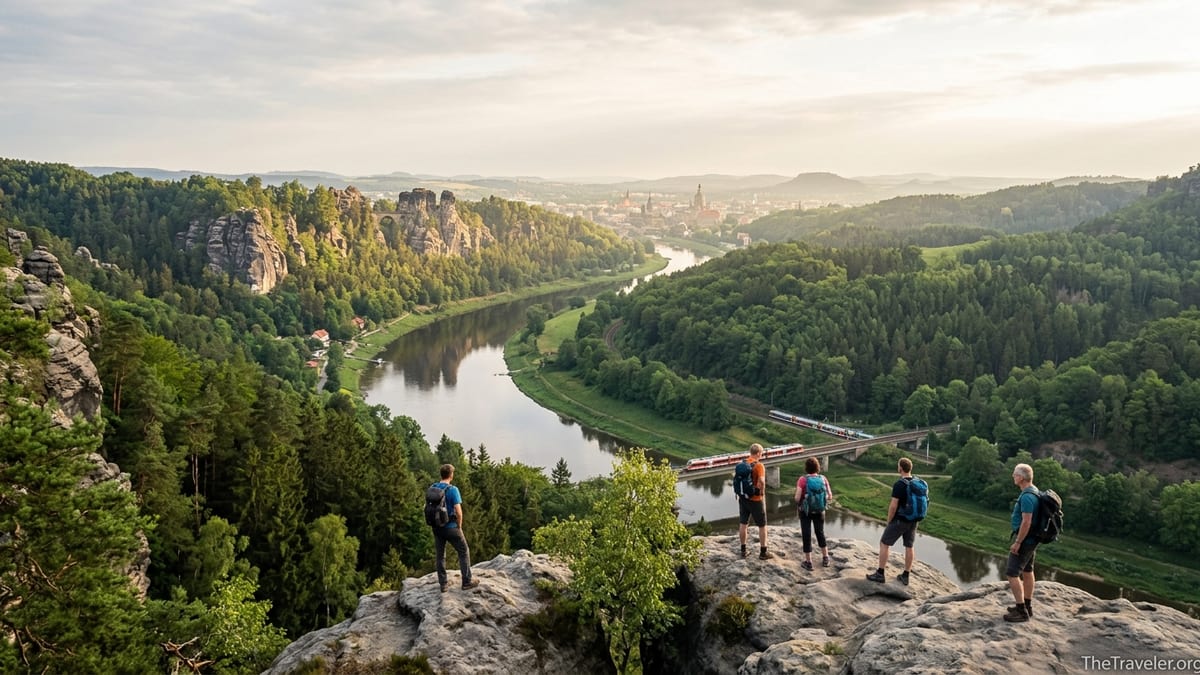
Saxon Switzerland National Park spreads along the Elbe valley southeast of Dresden, known for its sandstone formations, river views and the famed Bastei Bridge. Getting there independently is straightforward: frequent regional trains and S-Bahn lines run from Dresden to gateways such as Bad Schandau, Königstein and Rathen, with journey times around 40 to 60 minutes. From these towns, local ferries and buses connect to trailheads and viewpoints.
Organized day tours from Dresden cater to travelers who want to combine several highlights without managing timetables. One specialist company advertises full day small-group excursions from Dresden that include stops at Bastei Bridge, the Tisa Rocks or the Pravčická Gate across the Czech border, often marketed as “Bohemian and Saxon Switzerland” or “Bastei and boat” tours. As of summer 2026, typical advertised prices for these 9 to 10 hour trips range around 130 to 150 euros per adult, including transport and guiding, with some promotional offers slightly below that range.
Independent hikers pay less but need to prepare. A realistic DIY day could involve taking a morning train from Dresden to Rathen, using the small ferry across the Elbe, hiking up to Bastei for panoramic views, and then descending on alternative trails back toward the river or continuing to neighboring viewpoints. Another common plan starts in Bad Schandau, where visitors can connect to local buses up into the hills or ride heritage ferries and riverboats toward Schmilka. Regional transport information portals for Dresden and the surrounding area publish up to date timetables for ferries and seasonal boats, with some services noted as of April 2026.
The choice between a tour and independent travel in Saxon Switzerland often comes down to hiking confidence and time. If you are happy to read maps, check weather and adjust your plan on the fly, independent travel is rewarding and cheaper, especially for simple routes near Bastei. If you hope to combine both the German and Czech sides, tackle longer trails or visit spots without English-language signage, then a guided small-group tour from Dresden simplifies logistics and reduces the risk of missing connections back to the city.
Potsdam from Berlin: Palaces and Parks by Train or Tour
Potsdam is one of the easiest day trips from Berlin. Regular S-Bahn and regional trains link central Berlin stations like Friedrichstraße or Hauptbahnhof with Potsdam Hauptbahnhof in around 30 to 40 minutes. From the station, buses and trams fan out toward Sanssouci Park and the New Palace, though fit travelers can also walk or cycle.
Many visitors choose to visit independently using Berlin’s regional or city day passes, which cover both the train to Potsdam and local transport within the city. A simple DIY day might start with the Old Town and Dutch Quarter, continue by bus to the Sanssouci Palace complex, and then spend the afternoon wandering through the park past the New Palace, Orangerie and viewpoints over the Havel lakes. Park access is generally free, with admission charged only for palace interiors where timed entry tickets are often required.
For travelers who prefer structure, Berlin-based operators and official tourism agencies sell half-day and full-day guided tours to Potsdam. Some group tours travel by coach, others by train with a guide leading you through the park on foot. Public offers for group city tours show that if a guide travels from Berlin to Potsdam and back, additional hourly travel costs are added on top of a standard three hour guiding fee of about 200 euros per group, which is reflected in final tour prices sold to individual participants.
A guided excursion is worthwhile if you want detailed interpretation of Prussian history, the Potsdam Conference and the Cold War-era border stories threaded through the area. Independent travelers who primarily enjoy photography and relaxed park walking may find a self-guided trip sufficient, especially outside peak summer weekends when crowds are smaller and palace ticket times easier to obtain on arrival.
Spreewald Experiences: Paddling and Poling through the Wetlands
The Spreewald, a UNESCO-recognized biosphere reserve about 100 kilometers southeast of Berlin, offers an entirely different landscape. It is a flat mosaic of canals, meadows and forest, historically inhabited by the Sorbian minority culture. The main access point for visitors is Lübbenau, reached in around one hour from Berlin by regional train, with other towns such as Lübben and Burg serving as quieter gateways.
Most travelers experience Spreewald from the water. Traditional flat-bottomed punts poled by captains run scheduled tours from harbors in Lübbenau, offering 2 to 4 hour trips through the narrower canals, sometimes with stops at canal-side inns for lunch and pickles, the local specialty. Prices vary by operator and route but usually fall into a moderate range per person, similar to a short city sightseeing cruise in Berlin or Dresden.
Independent travelers can rent canoes or kayaks for a few hours or a day, following marked water routes through the forest. Rental shops around Lübbenau station and harbor provide waterproof maps and suggest loops suitable for different fitness levels. For example, a beginner-friendly loop might keep you close to the main canals and return routes, while more adventurous paddlers can head deeper into the network of side arms and small locks.
Guided experiences in Spreewald tend to focus either on nature interpretation or on cultural history. Some outfitters offer guided canoe tours with a biologist or local guide explaining wetland ecology and Sorbian traditions. Others pair shorter boat trips with walking or cycling segments. For visitors who are not comfortable navigating waterways alone, these tours remove most of the stress of reading maps and tracking time, though they naturally cost more than a simple boat rental.
Choosing Between Guided and Independent Travel
Across Berlin, Dresden, Potsdam, Spreewald and Saxon Switzerland, the value of guided versus independent travel shifts with the setting. Urban history and politics in Berlin and Dresden benefit strongly from expert storytelling; landscapes and parklands like Spreewald and Saxon Switzerland reward the freedom of self-paced exploration, provided you are comfortable with navigation and local conditions.
For a typical couple visiting in summer, a blended strategy often works best. You might book a four-hour small-group history walk in Berlin for around 20 euros per person, a scheduled Old Town tour in Dresden for a similar per-person price, and then tackle Potsdam, Spreewald and Saxon Switzerland independently using regional trains and local transport tickets. The money saved by not joining organized excursions every day can go toward a splurge meal in Dresden’s Neustadt or an upgraded hotel with river views.
Families or groups of friends may find private guiding cost effective. A three-hour private tour for up to 10 people in Berlin or Dresden at a flat rate near 200 to 300 euros can deliver a tailored experience that would be more expensive if each person booked separate group tours. For active travelers planning serious hiking in Saxon Switzerland or multi-day cycling around Spreewald, a local guide for the first day can also serve as a safety and orientation investment, ensuring you understand trail markings, river conditions and seasonal factors before setting off on your own.
Travelers with limited mobility, tight schedules or low tolerance for logistical problem-solving will usually get better value from guided excursions that cover several stops in one day. Someone else handles bus parking near Bastei Bridge, ferry schedules in Saxon Switzerland or palace entry times in Potsdam, allowing you to focus purely on the experience. Those who enjoy planning and spontaneity can save by traveling independently, especially outside peak holiday periods when trains are less crowded and on-the-spot tickets remain available.
The Takeaway
Eastern Germany is compact enough that you can see a lot in a short time, yet varied enough to justify repeat visits. Berlin offers dense layers of 20th century history, cutting-edge culture and nightlife; Dresden balances its rebuilt Old Town with a relaxed riverside; Potsdam brings royal palaces and parks into easy day-trip range; Spreewald provides canals and wetlands under an hour from the capital; and Saxon Switzerland delivers mountain views and hiking trails a short train ride from Dresden.
When comparing Berlin-based excursions, Dresden tours, Saxon Switzerland day trips, Potsdam tours and Spreewald experiences, look first at how comfortable you are with independent travel by regional train and how much context you want from a guide. Scheduled group walking tours and city excursions in Berlin and Dresden offer good value at modest per-person prices, while landscape-focused destinations like Spreewald and Saxon Switzerland are often best enjoyed at your own pace, with a guide added only where needed.
For many travelers, the sweet spot is a hybrid: one or two carefully chosen guided tours where expert interpretation adds the most, combined with plenty of unstructured time to wander riverfront promenades, palace parks and forest paths. With that balance, you can enjoy the efficiency and insight of professional guiding without sacrificing the freedom that makes independent exploration in Eastern Germany so rewarding.
FAQ
Q1. Is it better to base in Berlin or Dresden for exploring Eastern Germany?
For first-time visitors, Berlin works best as a primary base because of international flight connections and easy day trips to Potsdam and Spreewald. Adding at least one or two nights in Dresden is recommended if you want unhurried time in the Old Town and a simpler starting point for Saxon Switzerland.
Q2. How much should I budget for a guided city tour in Berlin or Dresden?
Scheduled small-group walking tours in either city usually start from around the low 20 euro range per person for 2.5 to 4 hours. Private tours for your own group can cost 200 to 300 euros or more for a three-hour customized experience, which becomes economical when shared across several people.
Q3. Do I need a tour to visit Saxon Switzerland National Park?
No, you can reach Saxon Switzerland independently by train from Dresden to towns like Bad Schandau, Königstein or Rathen and follow marked trails to viewpoints such as Bastei. A guided tour is useful if you want to combine German and Czech highlights in one day or prefer not to manage transport connections and trail choices yourself.
Q4. Is Potsdam an easy day trip from Berlin without a guide?
Yes. Frequent S-Bahn and regional trains link central Berlin with Potsdam Hauptbahnhof in under an hour, and local buses and trams connect the station with Sanssouci Park and other sights. Independent visitors can comfortably tour the Old Town and palace park on their own, though a guided tour adds depth to the historical narrative.
Q5. What is the best time of year to visit Spreewald?
Late spring through early autumn offers the most comfortable conditions for canal boating and paddling, with longer daylight hours and more frequent boat departures. Shoulder seasons in May, June and September often strike a good balance between pleasant weather and fewer crowds than peak school holiday periods.
Q6. Are regional train tickets enough for these day trips?
For most day trips from Berlin to Potsdam or Spreewald and from Dresden into Saxon Switzerland, regional day tickets or state tickets are usually sufficient and cost effective. These tickets generally allow unlimited travel on specified regional trains and local transport within one day, though you should always check current conditions and coverage before travel.
Q7. Is English widely spoken on tours in Eastern Germany?
In Berlin and Dresden, many walking tours and museum programs are offered in English, and guides are used to international visitors. In smaller towns around Spreewald and Saxon Switzerland, English may be less common, which is one reason some travelers prefer organized tours from Berlin or Dresden that guarantee an English-speaking guide.
Q8. How far in advance should I book guided tours?
For popular summer dates, it is sensible to book Berlin and Dresden walking tours and Saxon Switzerland day trips at least a few weeks ahead, especially on weekends. In shoulder seasons, you may find availability closer to the date, but last-minute bookings can still sell out during local holidays or major events.
Q9. Can I combine Saxon Switzerland and Dresden in a single day tour from Prague or Berlin?
Yes, some operators offer long day trips that link Saxon Switzerland viewpoints with a short visit to Dresden, particularly from Prague. These itineraries are long and structured, so they suit travelers who prefer to see key highlights in one day rather than exploring at a slower pace over several days.
Q10. Is it safe to hike and travel independently in Eastern Germany?
In general, Eastern Germany is considered safe for independent travelers, including solo visitors, provided you follow normal precautions. Hiking trails in Saxon Switzerland are well marked, and regional trains are widely used by locals. As always, check current conditions, carry a charged phone and let someone know your plans before heading into more remote areas.