


Planning a Berlin plus Eastern Germany itinerary in 2026 means juggling hotel rates, train tickets, museum passes and restaurant bills that have all crept up in recent years. The good news is that with a bit of planning, you can still explore Berlin, Potsdam, Dresden and Leipzig on a realistic budget, whether you are traveling on a tight backpacker allowance or looking for a more comfortable city-break style trip.
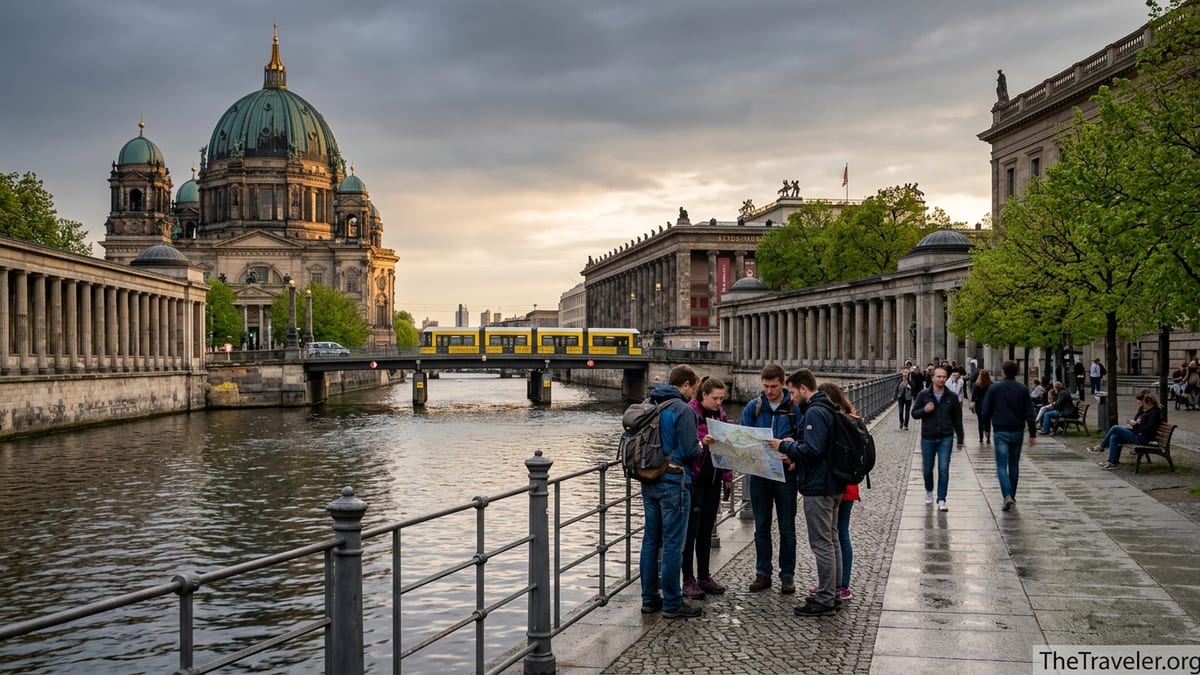
How Trip Costs Break Down in Eastern Germany
When travelers talk about eastern Germany costs, they are usually thinking of Berlin plus an arc of cities such as Potsdam, Dresden and Leipzig, with occasional side trips to the Baltic coast. Berlin is by far the most expensive stop, especially for hotels and eating out, while secondary cities are often 10 to 30 percent cheaper for comparable standards. Your total trip cost will largely be driven by how central you want to stay in Berlin, how much you move around by train, and how often you pay single admission prices versus using passes.
In broad terms for 2026, a frugal traveler who uses public transport, stays in hostels or simple guesthouses and cooks some of their own meals can expect to spend roughly 80 to 120 euros per person per day in Berlin, dropping closer to 70 to 100 euros in Leipzig or Dresden. A mid-range traveler choosing three-star hotels in central neighborhoods, eating in casual restaurants and visiting one or two paid attractions daily will more realistically spend 140 to 200 euros per day in Berlin, again slightly less elsewhere. Higher-end visitors staying in four- or five-star hotels, booking a few private tours and dining well can easily see daily costs of 250 to 400 euros or more, especially in peak season.
Seasonality matters. July, August and the weeks around major trade fairs or events such as the Berlinale film festival push hotel prices sharply higher in Berlin. Shoulder seasons such as late April to early June and September to early November often provide a better balance of price and weather. Winter can be cheaper outside of the Christmas market period, but shorter days and colder temperatures may affect how much you enjoy being outdoors.
Hotels and Accommodation: What You Pay in 2026
Hotel and rental prices in Berlin have risen since 2022, but there is still a wide spread between basic beds and design hotels. In 2026, beds in large hostels in areas such as Friedrichshain, Kreuzberg or Prenzlauer Berg often start around 25 to 40 euros per night in a dorm, with private double rooms in hostels or simple pension-style guesthouses generally in the 70 to 110 euro range on typical dates. Around major events and in June to August, these numbers can go up by 20 to 40 percent, especially in the central Mitte area.
For mid-range hotels, expect typical nightly rates of roughly 120 to 180 euros for a standard double room in central Berlin districts like Mitte or Charlottenburg when booked a few months ahead. Branded three- and four-star properties near Berlin Hauptbahnhof or Alexanderplatz often fall into this range for flexible rates, with weekend nights occasionally cheaper than midweek. Boutique hotels and well-rated apartment hotels can be found in a similar band, especially in neighborhoods such as Prenzlauer Berg or Friedrichshain.
Higher-end travelers looking at established four- and five-star hotels near Unter den Linden, Potsdamer Platz or Gendarmenmarkt are more likely to see nightly rates around 220 to 350 euros, with premium suites and landmark properties reaching significantly higher. Breakfast is sometimes included at the upper end but is an extra 15 to 25 euros per person at many mid-range hotels, so factoring this into comparisons with apartments or guesthouses that include a basic breakfast is important.
Outside Berlin, hotel prices tend to drop. In Dresden’s historic center, comfortable mid-range doubles often land around 100 to 150 euros per night on regular dates, while Leipzig may be a touch cheaper again. Simple guesthouses and family-run hotels a tram ride from the main sights in these cities can still offer doubles in the 70 to 110 euro range, especially outside of major festivals or trade fairs.
Trains, Local Transport and Rental Cars
Germany’s rail network remains one of the most efficient ways to cover distances between Berlin and other eastern cities. For long-distance travel on fast ICE or IC trains booked in advance, you might find saver fares between Berlin and Dresden from roughly 20 to 30 euros one way in second class if you commit to a specific departure. Booking closer to departure or choosing flexible tickets can double that amount. Slower regional trains are usually cheaper but take longer, sometimes adding an hour or more to a route such as Berlin to Leipzig.
Several nationwide and regional day tickets can keep costs under control if you plan your travel around them. The Deutschlandticket, introduced at 49 euros and increased to about 58 euros per month by early 2025, offers unlimited local and regional transport across Germany, but it is sold as a monthly subscription rather than a simple tourist ticket, so it suits travelers who are in the country for at least a month and are comfortable managing a cancellable subscription. For shorter visits, regional day passes such as the Brandenburg-Berlin Ticket or the Quer-durchs-Land-Ticket for regional trains can make sense, with current prices typically starting around the mid-20s to low-50s euro range for one traveler and incremental surcharges for additional group members.
Within Berlin, the city is divided into fare zones A, B and C. A single ABC ticket covering central Berlin plus the outer area that includes the BER airport and Potsdam is around the mid-single-digit euro range at 2026 prices, and there are 24-hour and 7-day tickets for each zone combination. As an example, an AB 7-day ticket has been priced in the mid-40 euro range in recent years, while an ABC 7-day ticket costs more but can be good value if you plan to visit Potsdam or travel to and from the airport multiple times. Tourist-oriented options such as the Berlin WelcomeCard bundle unlimited public transport in AB or ABC zones with discounts on attractions for periods like 48, 72 hours or more, and a Museum Island version includes free entry once daily to the major museums there.
Rental cars are rarely necessary inside Berlin thanks to the extensive public transport network, and parking in central districts can be expensive and restricted. If you plan to explore rural Saxon Switzerland, smaller Lusatian towns, or lakes and countryside in Brandenburg, a short car rental can be useful. Typical compact car rental rates from large agencies at Berlin BER airport or at city locations often start around 40 to 70 euros per day before fuel, with automatic transmissions and one-way rentals costing more. Fuel in Germany is relatively expensive by global standards, so a day trip driving loop from Berlin through Potsdam and the surrounding lake district can easily add 20 to 40 euros in fuel depending on distances and vehicle type.
Attractions, Museums and Tours
Attraction costs in Berlin and nearby cities can add up quickly, especially if you visit several museums in a single day. Standard adult admission to major Berlin museums such as those on Museum Island typically falls around the mid-teens in euros for a single museum ticket, while a combined Museum Island day ticket that covers several collections on the island costs more but can be good value if you visit multiple venues in one day. Sites such as the TV Tower at Alexanderplatz charge higher prices for timed tickets with fast-track entry, with adult prices commonly in the mid-20s euro range, and additional extras such as window-seat restaurant bookings on top.
Bundled passes can offer savings if you are an active sightseer. The Museum Island day ticket allows one-day access to all of the island’s state museums, and there is also a separately sold Museum Pass Berlin that gives three consecutive days of entry to dozens of museums across the city. Tourist cards such as the Berlin WelcomeCard Museum Island combine a 72-hour transport ticket in zones AB or ABC with free daily admission to key Museum Island museums and discounts at other attractions, which can make sense if you plan three intense sightseeing days focused on Berlin’s cultural institutions.
Guided tours vary from free walking tours that work on a pay-what-you-want tipping basis, where many travelers tip around 10 to 20 euros per person, to specialized small-group tours of sites such as the Sachsenhausen Memorial near Berlin or the palaces and gardens of Potsdam, typically priced from around 40 to 90 euros per person depending on duration and inclusions. Private city tours with licensed guides in Berlin, Dresden or Leipzig generally start in the low hundreds of euros for a half day, especially if hotel pickup and custom itineraries are involved.
Some popular experiences remain free or low cost. Memorials such as the Brandenburg Gate, the East Side Gallery section of the Berlin Wall, and many outdoor sites in Potsdam’s Sanssouci Park can be enjoyed without an entrance fee, although specific palace interiors do charge for guided tours. Factoring a mix of free city wandering with a handful of paid highlights can keep your daily cultural budget in the 20 to 40 euro range per person for mid-range travelers, while enthusiasts who visit multiple museums and paid sites each day may spend 50 euros or more.
Eating, Drinking and Everyday Expenses
Food costs in Berlin and surrounding cities can be kept in check if you are willing to mix casual options with a few sit-down meals. A classic street snack such as currywurst with fries or a döner kebab typically runs around 5 to 9 euros in many neighborhoods in 2026, while a bakery breakfast of coffee and a pastry might total 4 to 7 euros depending on location. Supermarkets are widespread, and picking up ingredients for simple breakfasts or picnic lunches can keep per-meal costs down to a few euros.
In casual sit-down restaurants, a main course such as schnitzel with potatoes, a substantial vegetarian dish or a pizza often falls in the 12 to 18 euro range, with soft drinks a few euros and beer or house wine around 4 to 6 euros per glass. In Berlin’s trendier areas, expect to pay a bit more at popular brunch spots or modern bistros, where mains can reach into the low-20s euros and specialty cocktails are priced in the low teens. A reasonable mid-range restaurant dinner for two with drinks in Berlin or Dresden typically lands around 45 to 80 euros depending on choices.
Higher-end dining, especially at Michelin-listed or fine dining restaurants in Berlin, will increase your daily budget quickly, with tasting menus often starting around 100 euros per person before drinks. That said, you can still sample quality regional cuisine in many traditional German restaurants for moderate prices, particularly at lunchtime when fixed-price menus or specials are common. Coffee culture is strong across cities like Leipzig and Dresden, where a cappuccino usually costs in the 3 to 4 euro range and a slice of cake adds a few euros on top.
Everyday extras such as bottled water, local SIM cards and public restroom fees should also be considered. Tap water in Germany is safe to drink, so carrying a reusable bottle can save money over buying 1 to 2 euro bottles multiple times a day. Public toilets in train stations or central areas often charge small fees, typically 0.50 to 1 euro per visit. Taxis and ride-hailing services are available in Berlin, but using them frequently will raise costs significantly compared with relying on the U-Bahn, S-Bahn, buses and trams.
Sample Daily Budgets: Berlin Plus Region
To understand how these individual costs add up, it helps to look at realistic daily budgets for different travel styles. A budget traveler in Berlin staying in a hostel might spend approximately 30 euros on accommodation, 15 to 25 euros on food by combining supermarket purchases with one inexpensive hot meal, 9 to 12 euros on public transport via a day ticket, and 5 to 20 euros on attractions depending on whether they focus on free sights or visit one museum. This results in a typical daily total of roughly 60 to 90 euros, with additional spending for nightlife, shopping or longer regional train trips.
A mid-range traveler staying in a central three-star hotel could easily allocate 140 to 200 euros per day in Berlin. A representative breakdown might be 130 euros for a double room shared between two people (65 euros per person), 35 to 45 euros per person on meals including a restaurant dinner and coffees, 9 to 12 euros for public transport, and 20 to 40 euros on attractions and tours. That puts an individual mid-range daily cost in the 130 to 170 euro range if traveling solo, and somewhat less per person if costs such as hotel rooms and taxis are shared by two.
For higher-end travelers, a comfortable daily budget in Berlin might start around 250 euros per person and rise well above 400 euros if you choose a luxury hotel and fine dining. For example, a four-star hotel could cost 220 euros per night for a double, a substantial museum and tour program might total 60 to 80 euros per person in tickets and guided visits, local transport and occasional taxis another 20 to 40 euros, and quality restaurant dinners with wine perhaps 60 to 100 euros per person. Adding a private half-day tour on one of your trip days can easily add another 100 euros or more.
In Dresden, Leipzig or Potsdam, these examples often scale down slightly. Accommodation is typically a bit cheaper for a similar standard, and restaurant bills may be modestly lower. As a result, budget travelers might reduce their daily costs by around 10 to 20 euros compared with Berlin, while mid-range and higher-end visitors can expect an overall daily spend that feels more forgiving if they maintain similar habits.
Money-Saving Strategies Without Sacrificing Too Much
There are several practical ways to keep your eastern Germany travel budget under control without feeling that you are missing out. For city transport, look at day tickets or multi-day tourist cards rather than buying single rides. If you plan three intensive days of museums and use public transport heavily in Berlin, a product such as the Berlin WelcomeCard Museum Island can work out cheaper than buying separate day tickets plus individual museum admissions, particularly if you make use of the additional attraction discounts.
On the intercity side, booking long-distance trains as early as possible on official rail channels helps secure lower saver fares between Berlin and cities like Dresden, Leipzig or Hamburg. If your plans are flexible and you expect to make several regional journeys in a single day, check whether a Länder-ticket or a regional day ticket that covers Berlin and Brandenburg could be cheaper than buying individual tickets. Groups of two to five people often benefit from these group-oriented day products because the additional person supplements are usually lower than buying separate single tickets for each traveler.
Choosing where you stay can also be a powerful lever. In Berlin, rooms a few U-Bahn stops from the very center, for instance in Neukölln, Friedrichshain or parts of Wedding, can be significantly cheaper than those directly around Brandenburg Gate, Gendarmenmarkt or Museum Island, while still offering easy transit access. In Dresden, staying just outside the Altstadt but within walking distance or a short tram ride can similarly reduce nightly hotel costs without compromising much on convenience.
Finally, mixing high- and low-cost food choices is one of the easiest strategies. Build your day around one main restaurant meal and rely on bakeries, supermarkets and street food for the remainder. Focus on free or low-cost experiences like walking the riverside paths along the Elbe in Dresden, exploring Berlin’s neighborhood street art, or enjoying parks such as the Tiergarten, then selectively pay for signature experiences that matter most to you, such as a guided tour of Sanssouci Palace or a climb up the dome of the Reichstag building, which requires advance registration but offers memorable views.
FAQ
Q1. How much should I budget per day for a trip focused on Berlin and nearby cities in 2026?For a realistic 2026 trip, a budget traveler might plan on roughly 70 to 100 euros per day in Berlin and slightly less in Dresden or Leipzig, a mid-range traveler 140 to 200 euros, and a higher-end traveler 250 euros or more, with actual spending depending on hotel category, restaurant choices and how many paid attractions or tours you book.
Q2. Are trains or rental cars cheaper for exploring eastern Germany?For most visitors, trains and local transport are cheaper and less stressful than renting a car, particularly for routes such as Berlin to Dresden or Leipzig. Car rentals can make sense if you want to explore rural areas or national parks, but once you factor in daily rental rates, fuel, parking and potential city driving restrictions, overall costs are usually higher than using regional trains and city transit.
Q3. Is the Deutschlandticket a good deal for short-term tourists?The Deutschlandticket is excellent value for residents and long-stay visitors because it gives a month of unlimited local and regional transport across Germany at a fixed subscription price, but it is less convenient for short-term tourists who are staying only a week or two, since it requires subscribing and then canceling in time. For shorter trips, regional day tickets, city 24-hour passes or tourist cards are usually simpler and more aligned with typical vacation patterns.
Q4. How expensive are museums and attractions in Berlin compared with Dresden or Leipzig?Berlin’s major museums and attractions generally cost a bit more than comparable sites in Dresden or Leipzig, though not dramatically so. Expect many headline museums in Berlin to charge in the low- to mid-teens in euros for standard adult admission, with special exhibitions or tower viewpoints costing more, while museum admissions in Dresden and Leipzig often sit slightly below those levels for similar-quality experiences.
Q5. Can I visit Potsdam as a cheap day trip from Berlin?Yes, Potsdam is one of the easiest and most budget-friendly day trips from Berlin. You can reach it on the S-Bahn or regional trains using an ABC day ticket or an appropriate regional pass, and much of the experience involves walking through Sanssouci Park and the historic quarters, which is free. Costs mainly come from palace interior tickets, café stops and any guided tours you choose to add.
Q6. How far in advance should I book hotels in Berlin to get better prices?Booking several months ahead usually yields better selection and more competitive rates, especially for mid-range and higher-end hotels in central districts. For peak periods such as summer or during major events, securing cancellable reservations three to six months in advance is sensible if you want good value in well-located areas without having to compromise on quality or pay last-minute premiums.
Q7. Are restaurant prices in Berlin much higher than in other eastern German cities?Restaurant prices in Berlin are generally somewhat higher than in Dresden, Leipzig or smaller towns, particularly in fashionable neighborhoods and at popular brunch or dinner spots. However, casual eateries, bakeries and ethnic food outlets still offer similar price levels across many cities, so careful choices can narrow the cost gap significantly between Berlin and surrounding destinations.
Q8. How can two people share costs effectively on a Berlin-plus-region itinerary?Two people can reduce per-person costs by sharing a hotel room, splitting taxis when necessary, and using group-oriented train tickets where available. Many regional day passes allow up to five people to travel together at relatively low incremental cost per additional traveler, so planning intercity and regional trips around such tickets can lower transport spending compared with buying individual tickets.
Q9. What is a reasonable budget for attractions and tours per day?A moderate daily budget for attractions and tours in Berlin and nearby cities might be around 20 to 40 euros per person, assuming you visit one or two paid sites and perhaps join an occasional guided tour. Travelers who plan several paid museum visits, tower entries or private tours in a single day should expect this figure to rise to 50 euros or more.
Q10. When is the most cost-effective time of year to visit eastern Germany?Shoulder seasons such as late April to early June and September to early November tend to offer the best balance between cost and experience, with generally pleasant weather and hotel prices that are often lower than in the peak summer months. Winter can also be cheaper outside of the Christmas and New Year period, though shorter days and colder temperatures may reduce the amount of time you want to spend outdoors.