


Southern Germany is where fairytale castles meet alpine lakes, medieval towns and modern cities with world-class beer halls and museums. For first-time visitors it can feel overwhelming to choose between Munich, the Black Forest, the Bavarian Alps, Lake Constance and dozens of postcard-perfect villages. This guide focuses on Bavaria and Baden-Württemberg and gives you concrete, up-to-date advice on where to go, how to get around, what things roughly cost and how to plan a realistic first itinerary.
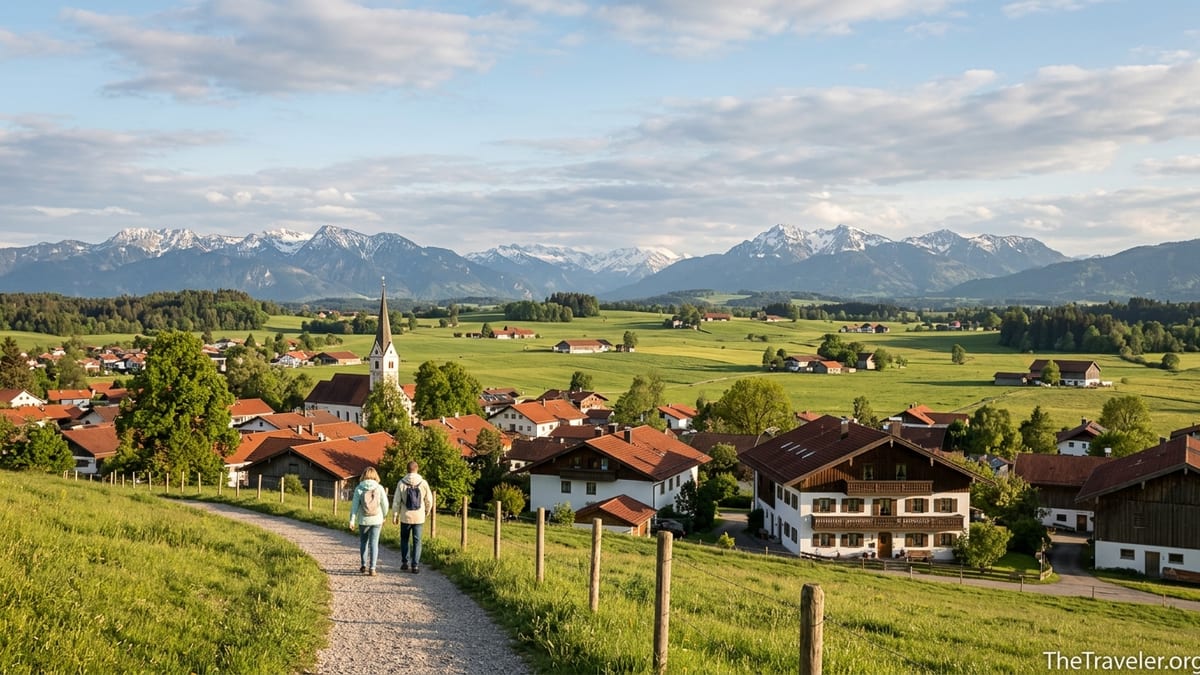
Key Regions: How Southern Germany Fits Together
When people talk about southern Germany, they usually mean the two federal states of Bavaria in the east and Baden-Württemberg in the west. Munich is the main gateway, with frequent flights from across Europe and several daily direct trains from cities like Berlin, Frankfurt and Vienna. From Munich you can reach alpine resorts such as Garmisch-Partenkirchen in about 1.5 hours by regional train, or Salzburg in Austria in around two hours. Stuttgart is the main hub in Baden-Württemberg and a good base for the Black Forest and Swabian Alps.
Bavaria is best known for its mountains, lakes and famous castles. The Bavarian Alps stretch along the Austrian border with well-known bases like Garmisch-Partenkirchen, Berchtesgaden and Mittenwald. Scenic lakes such as Königsee near Berchtesgaden, Chiemsee east of Munich and Tegernsee to the south offer easy hiking and boat trips. Central and northern Bavaria feature historic cities like Nuremberg, Regensburg, Würzburg and Bamberg, each with well-preserved old towns that can easily be explored on foot in a day or two.
Baden-Württemberg offers a different but complementary landscape of dense forests, vineyard-covered hills and spa towns. The Black Forest region, roughly between Baden-Baden, Freiburg and Triberg, mixes deep valleys, waterfalls and traditional farmhouses. Lake Constance, shared with Switzerland and Austria, is another highlight of the state, with resort towns such as Lindau, Meersburg and Friedrichshafen connected by regular ferries and regional trains. For a first trip, combining Munich and the Bavarian Alps with either the Black Forest or Lake Constance makes for a balanced one to two week itinerary.
Distances are manageable but the region is larger than many first-time visitors expect. For example, the direct train between Munich and Freiburg in the Black Forest typically takes about 4 hours, while Munich to Stuttgart is around 2.5 hours on a direct regional service and faster on long-distance trains. Planning your route so that you move in a logical loop instead of backtracking saves time and money, especially if you are relying on regional day tickets.
Munich: The Ideal First Base
Munich is the most convenient starting point for exploring southern Germany, particularly for first-time visitors. The historic center around Marienplatz is compact, with major sights such as the Viktualienmarkt food market, the Residenz palace complex and the Frauenkirche cathedral within a 10 to 15 minute walk of each other. Many visitors spend two or three nights in the city before heading to the Alps or the Black Forest, which allows at least one full day of sightseeing and one day for an excursion such as Dachau Memorial Site or Nymphenburg Palace.
The city’s public transport network consists of S-Bahn (commuter rail), U-Bahn (subway), trams and buses, all using the same ticketing system. A common pattern for new arrivals is to land at Munich Airport, then take the S1 or S8 S-Bahn into the city center in about 40 to 45 minutes. A standard one-way ticket from the airport into central Munich is typically in the mid-teens in euros for the required zones, while day tickets and tourist products that bundle unlimited public transport and discounts to attractions can offer better value if you plan several journeys in one day. Information desks at the airport and Hauptbahnhof usually have English-language leaflets explaining the current ticket types.
Accommodation in Munich ranges from simple pensions to luxury hotels. A centrally located midrange hotel or well-rated guesthouse within walking distance of an S-Bahn or U-Bahn stop often runs in the mid to high double digits per night for a standard double room in shoulder seasons, rising significantly during major events. During Oktoberfest, which usually runs from late September into early October, many properties are either fully booked months in advance or charge several times their usual rates. If your dates are flexible and you do not plan to visit the festival, it can be cheaper and less crowded to travel in May, June, or early autumn outside the Oktoberfest period.
Museums and beer halls are part of the city’s appeal. The Deutsches Museum, one of the largest science and technology museums in the world, can easily fill half a day. The three major art museums in the Kunstareal district showcase everything from Old Masters to contemporary works. In the evening, many visitors head to a beer hall such as Augustiner-Keller or Hofbräuhaus for a liter of local beer and classic dishes like roast pork with dumplings. Even if you do not drink alcohol, these venues are a straightforward way to try Bavarian food in a lively but generally family-friendly environment.
Bavarian Alps, Lake Constance and the Black Forest
The Bavarian Alps offer some of the most dramatic scenery in southern Germany but are still accessible to casual walkers and families. Garmisch-Partenkirchen is a popular base with frequent regional trains from Munich and a mix of guesthouses and hotels near the station and historic Ludwigstrasse. Many first-time visitors ride the cogwheel train or cable car up the Zugspitze, Germany’s highest peak, to enjoy panoramic views of surrounding mountains on clear days. Another classic day trip is the easy walk around Eibsee, a turquoise lake at the foot of Zugspitze with rental rowboats and lakeside cafes in summer.
Neuschwanstein Castle near Füssen is perhaps the most iconic sight in Bavaria. First-time visitors are often surprised by how organized the visit needs to be. Tickets for timed entry are typically released in advance and can sell out on popular dates, so booking ahead is wise, especially in July and August. From Munich, a common pattern is to take an early regional train to Füssen, then a bus to Hohenschwangau village. From there it is a steep 30 to 40 minute walk uphill to the castle or a short shuttle bus ride when available. Allow at least half a day from Füssen for the full visit, including the nearby Hohenschwangau Castle and the Marienbrücke viewpoint if the bridge is open.
Lake Constance, known locally as Bodensee, offers a more relaxed atmosphere with mild temperatures and lakeside promenades. Lindau, with its compact old town on an island, is a convenient place to stay, especially if you are arriving by train from Munich or Zurich. Ferries connect Lindau to other towns such as Bregenz and Rorschach, so many visitors combine a few nights here with cross-border day trips into Austria or Switzerland. In summer, outdoor pools, lakeside lidos and bike rental shops are busy as both locals and tourists cycle the well-marked path that circles the lake in stages.
The Black Forest in Baden-Württemberg is easier to reach than many visitors expect. From Stuttgart or Frankfurt, trains run to Freiburg, one of the most attractive university towns in Germany, which makes a good base for exploring the southern Black Forest. Smaller towns such as Triberg, famous for its waterfalls and traditional clock shops, or Titisee, set on a scenic lake, give a quieter, more rural experience. Day hikes in the Black Forest range from short loop trails from village centers to longer ridge routes that link viewpoints, farm inns and spa towns, often accessible by a combination of regional trains and buses included in local guest cards.
Getting Around: Trains, Tickets and Driving
Germany’s railway network makes it realistic to explore southern Germany without a car, especially on a first visit. Most regional trains operated by Deutsche Bahn and other companies are modern and have digital displays, clear announcements and space for luggage. For many itineraries within Bavaria, the Bayern-Ticket is a cost-effective option. This is a regional day ticket valid on most local and regional trains, S-Bahn, U-Bahn, trams and buses within Bavaria for one calendar day. Current information from rail operators indicates that the price structure is set so that a single adult pays around the high twenties in euros for second class, with a modest supplement per additional adult traveling on the same ticket, up to five people total. Children often travel either free or at a reduced rate when accompanying adults. The ticket is valid from morning until about 3 am the following day, with slightly different conditions at weekends, and cannot be used on high-speed ICE services.
In addition to state tickets, there is a nationwide monthly public transport pass that allows unlimited use of participating local and regional services throughout Germany for a flat monthly fee in the mid to upper double digits. Because it is sold on a subscription basis and renews each month until canceled, it tends to suit travelers spending at least several weeks in the country or those combining work and leisure. For shorter trips, many first-time visitors rely on a combination of individual tickets and regional day tickets bought from the red Deutsche Bahn machines at stations or via the official smartphone app. Staffed ticket counters are still common at larger stations such as Munich Hauptbahnhof, Stuttgart and Freiburg, and usually have at least one English-speaking clerk on duty, although queues can form at peak times.
Driving can be useful for certain rural areas, particularly in parts of the Black Forest and remote alpine valleys, but a car can be a liability in large cities. German motorways do not require a vignette or sticker for private cars with foreign plates, and there is currently no general car toll for passenger vehicles on the Autobahn network. Fuel, parking and rental rates, however, are significant costs. Parking garages in central Munich or Stuttgart often charge per hour, with daily maximums that can add up quickly over several days. Old towns in cities like Regensburg or Bamberg are partly or fully pedestrianized, so you may end up parking on the edge of the center and walking regardless.
If you decide to rent a car, pick-ups at major train stations or airports are straightforward. Automatic transmissions are less common than in some countries, so reserving well in advance is wise if you do not drive manual. Speed limits vary: large sections of the Autobahn still have recommended rather than mandatory limits, but many stretches, especially near cities and construction zones, are clearly signed with specific limits. In towns and villages, default limits and frequent speed cameras mean it is important to pay close attention to signs. Combining trains between major centers with short car rentals for more rural segments is often a practical compromise.
Weather, Seasons and What to Expect
Southern Germany has four distinct seasons and weather plays a major role in how your trip feels. Late spring, roughly May and June, is one of the most pleasant periods for a first visit, with long daylight hours, mild temperatures and alpine meadows starting to turn green. You can expect daytime highs commonly in the upper teens to low 20s Celsius, though cold snaps and rainy days are still possible. Many beer gardens open for the season in May, and local festivals and public holidays can bring processions and markets to town squares, particularly in smaller Bavarian communities.
Summer, from late June through August, is the busiest period in many alpine and lakeside areas. Heatwaves in Munich and Stuttgart can push temperatures into the high 20s or low 30s Celsius, and popular sites such as Neuschwanstein Castle, Königssee or Triberg Waterfalls will see long queues by late morning. On hot days, locals flock to lakes such as Ammersee, Tegernsee and Lake Constance to swim at lakeside lidos and grassy shores. If you plan to hike in the Alps in summer, pack light rain gear and layers, as afternoon thunderstorms are common, especially after hot, humid mornings.
Autumn brings cooler, often stable weather and spectacular foliage in forested areas. September and early October are excellent months for a first-time visit if you enjoy hiking and do not mind cooler evenings. Vineyards along the Neckar River near Stuttgart and in Franconia near Würzburg turn golden, and many wine villages host harvest festivals. In higher altitudes, light snow can arrive as early as October, and some alpine cable cars may close for maintenance in late autumn between the summer and ski seasons, so checking operating dates before committing to a specific mountain excursion is important.
Winter splits into two very different experiences. Cities like Munich, Nuremberg and Stuttgart host Christmas markets typically from late November through the week before Christmas, with wooden stalls selling mulled wine, sausages and handicrafts around central squares. Snow is not guaranteed at low altitude but cold, crisp days offer a festive atmosphere. In contrast, ski resorts such as Garmisch-Partenkirchen, Oberstdorf and the Feldberg area in the Black Forest focus on winter sports from roughly December to March, depending on snow conditions. Ski lifts, rental shops and mountain roads can all be affected by severe weather, so allow extra time in your schedule and keep plans flexible.
Food, Beer and Local Specialties
Traditional Bavarian and Swabian food is hearty and often meat-focused, but vegetarian and lighter options are increasingly easy to find, especially in larger cities. Classic dishes in Munich beer halls include Weisswurst, a veal sausage typically eaten before midday with sweet mustard and a pretzel, and Schweinshaxe, roasted pork knuckle served with potato dumplings and sauerkraut or red cabbage. Portions are substantial, so many visitors find that ordering one main dish and an extra side to share is enough for two people at lunch, particularly if they want to leave room for dessert such as apple strudel or Kaiserschmarrn, a shredded pancake served with fruit compote.
In Baden-Württemberg and the Black Forest, you will see more dishes featuring spätzle, a type of soft egg noodle, often served with cheese as Käsespätzle, and Maultaschen, large filled pasta sometimes described as Swabian ravioli. Black Forest cake, with layers of chocolate sponge, cream and cherries, is widely available in cafes but quality varies. Seeking out a traditional Konditorei, or cake shop, in a mid-size town often yields better results than buying a pre-packaged slice in a busy tourist cafe directly on a main square. Coffee culture is strong and many bakeries offer affordable breakfasts of fresh rolls, cold cuts and cheese.
Beer remains an important part of local culture, particularly in Bavaria. Munich’s big breweries such as Augustiner, Paulaner and Hofbräu serve their beers in large liter mugs at beer gardens and halls, but most also offer half-liter or smaller glasses if you prefer. Prices for a liter of beer in central Munich beer halls are generally in the high single to low double digits in euros, depending on the venue. Alcohol-free beers and local wines, particularly Franconian white wines served in distinctive rounded bottles, are widely available. In wine regions along the Neckar and near Lake Constance, you will also find seasonal wine taverns and outdoor tasting spots in summer and early autumn.
First-time visitors with dietary restrictions will find that larger cities offer international and vegetarian or vegan restaurants, while smaller towns may have more limited menus. Many places clearly label major allergens and vegetarian dishes, but not all menus are translated into English. Learning a few basic German food terms, such as Rind for beef, Schwein for pork, Hähnchen for chicken and vegetarisch for vegetarian, makes ordering easier. Supermarkets and bakeries are excellent for budget-friendly meals such as fresh sandwiches, ready-cut fruit and salads, and are especially useful in resort areas where restaurant prices can run higher.
First-Time Planning Tips and Sample Routes
For many first-time visitors, a 10 to 14 day trip allows enough time to combine cities, mountains and rural landscapes without constant rushing. A balanced two-week route might look like three nights in Munich, three nights in the Bavarian Alps around Garmisch-Partenkirchen or Berchtesgaden, three nights in the Black Forest around Freiburg or a smaller town such as Triberg, and three nights at Lake Constance in Lindau or Meersburg, with the remaining nights used for transit stops in places like Stuttgart or Nuremberg. Most of this route is easily done by regional trains supplemented with local buses and occasional taxis when necessary.
When building an itinerary, look at travel times rather than just distances. For example, Munich to Neuschwanstein via Füssen is around two hours each way by regional train and bus, which makes it a full-day excursion if you are returning to Munich that evening. If you are already planning to move on towards the Alps, it can be more efficient to stay one or two nights in Füssen, see the castles early in the morning before the big tour groups arrive, and then continue south or west by train. Similarly, if you intend to explore the central Black Forest, basing yourself in a smaller town along a scenic railway line can reduce daily travel time compared to commuting from a larger city each day.
Budget planning benefits from a realistic estimate of daily costs. In 2026, many travelers report that a moderate daily budget for two people staying in midrange hotels in southern Germany often falls somewhere between modest and comfortable by Western European standards when compared to cities like Paris or Zurich. A simple rule of thumb for first-time visitors is to allow for accommodation in the mid to high double digits per night for a centrally located double room outside peak festivals, add daily transport costs via local tickets or regional passes, and then budget separately for meals, entrance fees to attractions and occasional splurges such as a cable car ride or concert ticket. Museum entry prices typically range from low to mid double digits per adult, with combination tickets and free museum days making a noticeable difference if you plan several visits.
Finally, keep in mind that many smaller shops, bakeries and some restaurants still prefer or only accept debit cards linked to European banking systems or cash, although contactless and credit card payments are more common than a decade ago. Carrying a modest amount of euros in cash is practical for parking meters, local buses that do not have card readers and small purchases at markets and rural guesthouses. ATMs are widespread in cities and larger towns, usually located inside bank branches or near central squares, and it is usually unnecessary to obtain cash before arrival unless you prefer to do so.
FAQ
Q1. How many days do I need for a first trip to southern Germany?
For a first visit that includes Munich, the Bavarian Alps and either the Black Forest or Lake Constance, 10 to 14 days is a comfortable amount of time. With one week you can still see Munich and one or two nearby regions, but you will need to be more selective with day trips.
Q2. Is it better to rent a car or use trains in southern Germany?
For most first-time visitors, trains and buses work well, especially between major cities, alpine towns and popular attractions. A car can be useful in remote valleys and smaller Black Forest villages, but driving and parking in big cities can be stressful and expensive, so many travelers combine public transport with short, targeted car rentals if needed.
Q3. When is the best time of year to visit the Bavarian Alps and the Black Forest?
Late spring from May to June and early autumn in September and early October usually offer mild temperatures, good hiking conditions and fewer crowds than the peak summer months. Winter is ideal if you are specifically interested in Christmas markets or skiing, but mountain weather is less predictable and some attractions may close between seasons.
Q4. Do I need to book Neuschwanstein Castle tickets in advance?
On popular dates, especially in July, August and during school holidays, same-day tickets often sell out. It is strongly recommended to reserve a timed ticket in advance for Neuschwanstein Castle to avoid long waits or disappointment, then plan your train and bus connections around that time slot.
Q5. Is southern Germany expensive compared with other parts of Europe?
Prices in southern Germany are generally moderate compared with many Western European countries. Accommodation and restaurant meals in Munich and popular resort areas can be similar to or slightly cheaper than in major cities like Paris, while smaller towns and rural areas often offer better value. Using regional train tickets, supermarkets and bakeries helps manage costs.
Q6. Can I visit both the Black Forest and Lake Constance on one trip?
Yes, it is very feasible to include both regions in a one to two week trip, particularly if you are comfortable using regional trains and buses. Many visitors travel between Freiburg or another Black Forest base and Lake Constance towns such as Lindau or Konstanz, spending two to four nights in each area depending on interests and pace.
Q7. Is English widely spoken in southern Germany?
In major cities like Munich, Stuttgart and Freiburg and in heavily visited tourist areas, many people in hotels, restaurants and transport services speak at least basic English. In small villages and rural guesthouses, English may be more limited, but basic German phrases and a translation app are usually enough to manage everyday interactions.
Q8. What should I pack for a summer visit to southern Germany?
For summer, bring light, breathable clothing for warm days, a light sweater or jacket for cool evenings, and a compact waterproof layer for sudden showers or mountain storms. Comfortable walking shoes suitable for cobblestone streets and easy hiking trails are essential, and a small daypack is useful for carrying water, snacks and an extra layer.
Q9. Are there any safety concerns for travelers in southern Germany?
Southern Germany is generally very safe, with low rates of violent crime. As in any busy tourist destination, pickpocketing and petty theft can occur in crowded areas such as major train stations, city centers and festival grounds, so it is wise to keep valuables secure, use money belts or concealed pouches if you carry passports and avoid leaving bags unattended.
Q10. How far in advance should I book accommodation?
For travel in May, June, September and early October, booking accommodation a few months in advance usually offers a good selection, especially in popular areas. For stays during major events such as Oktoberfest, Christmas markets in large cities or school holiday periods, it is sensible to reserve hotels or apartments as soon as your dates are fixed to secure reasonable prices and locations.