


Southern Germany is one of Europe’s most rewarding regions to visit, but the mix of castles, Alps, lakes and famous cities can make trip budgeting confusing. Prices for trains, rental cars, fuel and attractions have also shifted in 2025 and 2026, so older cost estimates are often out of date. This guide focuses on Bavaria and Baden-Württemberg and gives realistic, current-price examples for hotels, transport, castles, mountain lifts and daily spending at three levels: budget, mid-range and luxury.
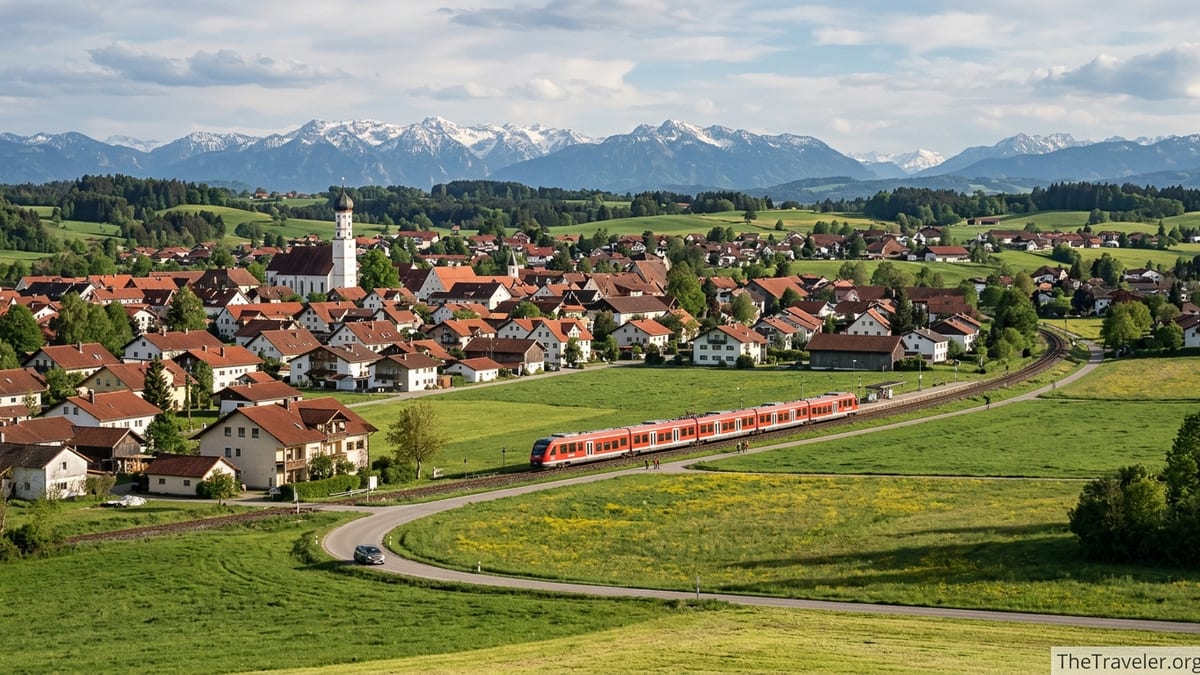
How Much Does a Southern Germany Trip Cost in 2026?
For most travelers in 2026, a realistic daily spend in southern Germany ranges from about 120 to 160 euros per person for a careful budget trip if you share accommodation, 180 to 260 euros for a comfortable mid-range experience, and 300 euros or more for an upgraded or luxury stay that includes central hotels, table-service restaurants and several major paid attractions. These estimates assume two people sharing a room and traveling outside the very busiest festival weekends.
As a concrete example, a one-week June trip for two, visiting Munich, Füssen and Garmisch-Partenkirchen with one or two castle visits and a day in the Alps, typically adds up to around 2,000 to 2,400 euros total for budget-conscious travelers, 2,800 to 3,600 euros for mid-range travelers, and 4,500 euros or more for those choosing upscale hotels, first-class rail or a higher car category. Peak periods such as Oktoberfest in Munich, major trade fairs in Stuttgart or school holiday weeks in August can push hotel prices far above these ranges, while March, early April and November often bring softer rates.
These figures assume you are booking accommodation 2 to 4 months in advance and using common transport options: regional trains and Bavaria-wide day tickets, or a compact rental car. Costs can fall further if you rely on overnight buses for some segments or pick simple guesthouses in smaller towns instead of major cities.
Throughout this guide, prices are rounded and given in euros as they appear in 2025 and 2026. They can change with seasonal offers or new tariffs, so treat them as practical planning benchmarks rather than fixed quotes.
Sleeping Costs: Hotels, Guesthouses and Apartments
Accommodation is usually your largest single cost in southern Germany. In 2026, a basic but decent double room in a Bavarian or Baden-Württemberg city such as Munich, Nuremberg or Stuttgart generally starts around 90 to 120 euros per night in shoulder season. In very popular tourist hubs such as Füssen near Neuschwanstein or Garmisch-Partenkirchen near the Zugspitze, simpler guesthouses and family-run pensions often begin around 80 to 110 euros per night for a double, sometimes including breakfast if you book directly.
For a clear mid-range example, a central three-star hotel near Munich Hauptbahnhof in June often runs 130 to 180 euros per night for a double room, depending on weekday demand and big events. A similar standard family-run hotel in Regensburg or Augsburg may be closer to 110 to 140 euros. Upscale four-star properties in city centers or spa towns, such as lakeside hotels on Lake Constance near Lindau or boutique hotels in central Nuremberg, usually fall in the 190 to 260 euro range for a double, with higher rates during summer and holiday periods.
Vacation rentals and serviced apartments can be cost-effective for couples or families staying three nights or more. A one-bedroom apartment in Freiburg im Breisgau or Tübingen can often be found in the 110 to 150 euro range per night in 2026, with two-bedroom units for families usually between 150 and 220 euros. Keep in mind that cleaning fees and local tourist taxes can add 3 to 5 euros per person per night in some destinations, especially in spa or mountain resorts in the Alps.
At the budget end, hostel dorm beds in larger cities like Munich or Stuttgart usually cost around 30 to 45 euros per night in 2026, while basic private rooms in hostels or simple guesthouses often start around 70 to 90 euros. Travelers who prioritize price over location can sometimes find chain hotels or motels in suburban areas from about 80 euros per night for a double, but will then need to factor in public transport costs into the city center.
Trains, Regional Passes and Public Transport
Germany’s rail network is often the easiest way to move between southern German cities and many alpine towns. For long-distance intercity journeys booked in advance, such as Munich to Stuttgart or Munich to Freiburg, advance-purchase saver fares on long-distance trains can sometimes be found for 20 to 35 euros per person in second class if you are flexible with departure times. Last-minute or fully flexible tickets are more expensive and can reach 60 euros or more for the same routes.
Within Bavaria, regional day tickets provide good value for tourists. The Bayern-Ticket, the regional day ticket for Bavaria, costs 36 euros for one person in second class in 2026, plus 6.50 euros for each additional passenger up to five people. It allows unlimited travel for one day on regional trains, S-Bahn, U-Bahn, trams and most buses inside Bavaria, typically from morning until late night depending on day of the week. This means two people traveling together can move around Bavaria for roughly 42.50 euros total in one day, or a bit over 21 euros each, which is often cheaper than buying separate point-to-point regional tickets.
Other regional passes exist for specific areas. In the Werdenfelser Land region around Garmisch-Partenkirchen, regional day tickets give unlimited use of local trains and certain bus routes for a fixed daily price, and there are similar products for the Bavarian Forest and other corners of the south. For travelers hopping between Munich, Füssen, Garmisch-Partenkirchen and Berchtesgaden on different days, a mix of regional day tickets and individual advance-purchase long-distance tickets often provides the optimal balance of cost and flexibility.
In cities, public transport day passes typically cost around 8 to 10 euros for a single person for inner-city zones, or around 15 to 18 euros for group day tickets that cover up to five people. For instance, a Munich transport day ticket for the central zones, valid on S-Bahn, U-Bahn, trams and buses, is in the low teens for a group ticket in 2026, which can be very economical for two or more travelers using several rides in a day. Many towns in Bavaria and Baden-Württemberg also offer guest cards via local accommodation that include free or discounted public transport on regional buses and city networks, which can reduce your transport budget considerably.
Rental Cars, Fuel and Driving Costs
Renting a car gives flexibility for rural lakes, small villages and some alpine valleys that are not easily reached by rail. In 2026, a compact manual-transmission rental car picked up at Munich Airport or a major city location typically costs between 45 and 70 euros per day for a short rental, including basic insurance but excluding optional extras. Prices are often lower for longer rentals, so a one-week rental of a compact hatchback might average 50 to 60 euros per day when booked a few months in advance outside the busiest weeks.
Fuel is a significant part of the driving budget. Petrol prices in Germany in 2026 vary but often range around 1.80 to 2.00 euros per liter, occasionally higher in holiday periods. A typical compact car might use 6 to 7 liters per 100 kilometers, meaning a 200-kilometer day of driving could require around 12 to 14 liters of fuel, or roughly 22 to 28 euros at these prices. For a classic southern Germany loop such as Munich to Füssen, then Garmisch-Partenkirchen, Mittenwald and back to Munich with some detours, you might drive 700 to 900 kilometers in total, spending perhaps 90 to 150 euros on fuel across a week.
Parking and road costs should not be overlooked. Many city-center hotels in Munich, Stuttgart or Nuremberg charge 15 to 25 euros per night for parking, while small-town guesthouses in the Allgäu or Franconian wine regions often provide free or lower-cost parking. Public parking garages in city centers frequently charge 2 to 4 euros per hour, with daily caps varying from around 15 to 30 euros. While Germany does not have general motorway tolls for cars, some alpine access roads and private parking areas near popular lakes and mountain trailheads do charge entry or parking fees, which might add another 3 to 10 euros per day on average if you are exploring by car.
If you are planning mainly city-to-city travel with occasional day trips, rail plus occasional local buses is often cheaper than a car for one or two people. A rental car starts to make more financial sense for two to four people traveling together, especially if you stay in smaller towns where parking is inexpensive and you can share fuel costs. In budgeting terms, a realistic daily driving cost for a compact car, including rental, fuel and average parking, often falls between 75 and 110 euros per day in 2026.
Castles, Museums and Mountain Cable Cars
Southern Germany’s castles and palaces remain relatively affordable compared to some other European landmarks, but prices have risen in recent years. At the famous Neuschwanstein Castle near Füssen, the official admission price for adults in 2026 is 20 euros, set by the Bavarian palaces authority, plus a booking or service fee of around 2.50 euros per ticket when purchased in advance through the official system. Nearby Hohenschwangau Castle has a similar price structure. Visiting both castles on the same day, including service fees, can therefore cost slightly over 45 euros per adult.
Other major Bavarian palaces such as Nymphenburg in Munich or Herrenchiemsee on Lake Chiemsee usually charge lower entry prices than Neuschwanstein, often in the high single digits to low teens per adult for standard admission, with optional combined tickets covering several attractions in a complex. In Baden-Württemberg, noteworthy castles like Heidelberg, Hohenzollern or Ludwigsburg have their own pricing, typically in the 9 to 15 euro range for standard adult tickets, sometimes with extra charges for special exhibitions or guided tours.
Mountain cable cars and cogwheel trains are among the most expensive individual items on a southern Germany itinerary. For example, the Zugspitze, Germany’s highest peak at 2,962 meters, is reached either by a combination of cogwheel train and glacier cable car or via the large cable car from the Eibsee. In summer 2026, round-trip tickets that include the train and the main cable car to the summit are priced around the low to mid 90 euro range per adult for the full experience. Shorter valley-section tickets, or tickets limited to the cogwheel train without the summit cable car, cost less but are still a substantial expense compared with city museums.
Other alpine lifts in the region, such as cable cars near Berchtesgaden, Oberstdorf or on the German and Austrian sides of the Zugspitze area, often charge 35 to 60 euros per adult for a round trip to a major peak, with discounts for children, youth and some guest cards. Ski resorts that offer summer hiking access typically publish seasonal prices that change each year, so it is wise to confirm rates shortly before your trip. As a rough budgeting rule, plan on spending 60 to 100 euros per person for each full alpine summit day that involves a major cable car, with lower costs if you choose mid-mountain lifts or rely mainly on hiking.
Food, Drinks and Typical Daily Spending on Meals
Eating out in southern Germany can be surprisingly affordable for simple meals, but costs climb quickly if you choose table-service restaurants for every course and drink. In 2026, a bakery breakfast of coffee and a pastry or small sandwich often costs 4 to 7 euros per person, while a more substantial sit-down breakfast in a café runs around 10 to 15 euros. Many hotels include breakfast in their room rate, especially smaller guesthouses in Bavaria, which can reduce your daily food budget significantly.
For lunch, a typical main course in a casual restaurant or beer garden, such as a plate of sausages with potato salad, a schnitzel with fries or a vegetarian pasta dish, usually costs 12 to 17 euros. Adding a soft drink or a half-liter of beer raises the bill by around 3 to 5 euros. Cheaper options include takeaway kebab shops, Asian noodle bars or supermarket deli counters, where you may assemble a meal for 7 to 10 euros. For dinner in a mid-range restaurant in Munich, Nuremberg or Freiburg, expect to pay around 18 to 26 euros for a main course, 6 to 10 euros for a starter or dessert if you add one, and another 5 to 7 euros for a glass of wine or standard beer.
As a daily estimate for food in 2026, budget travelers who mix supermarket food with occasional restaurant meals can often manage on 25 to 35 euros per person per day, assuming some self-catering. Mid-range travelers who enjoy coffee breaks, a restaurant lunch and a full dinner with a drink should plan on 40 to 60 euros per person per day. For a more indulgent trip with specialty coffee, cocktails, multi-course dinners or fine dining in cities like Munich or Stuttgart, daily food and drink spending can easily reach 70 to 100 euros per person or more.
Remember that tap water is safe to drink throughout Germany, but many restaurants default to bottled water, which is usually 3 to 6 euros per bottle. If you prefer to keep costs down, carry a refillable bottle and buy drinks at supermarkets, where a half-liter of local beer or soft drink is usually around 1 to 2 euros, and a simple picnic lunch from a supermarket might cost no more than 6 to 8 euros per person.
Sample Daily Budgets: Budget, Mid-Range and Luxury
To put all these elements together, it helps to look at realistic sample daily budgets based on current 2026 prices. These examples assume two people traveling together in southern Germany, sharing a room and averaging the costs of a multi-day trip. They exclude flights to and from Germany, but include accommodation, local transport, food and a modest share of attraction costs.
For a budget trip, two people staying in a simple guesthouse or budget hotel at 90 euros per night, using Bayern-Tickets and city day passes for transport at an average of 25 euros per person per day, and spending around 30 euros per person on food and 10 euros on attractions or occasional museum entries, can expect a total daily spend of roughly 120 to 150 euros per person. This would cover, for instance, a day that includes a regional train from Munich to Regensburg on a Bayern-Ticket, a walking tour of the old town, a simple lunch and dinner in local spots, and entry to one museum or church tower.
For a mid-range experience, imagine a couple staying in a central three-star hotel at 150 euros per night, using a mix of regional day tickets and advance-purchase intercity tickets averaging around 30 to 35 euros per person per day for transport, and spending approximately 50 euros per person on food plus 20 euros on attractions. This yields a daily total of around 180 to 240 euros per person. A mid-range day might look like: breakfast at the hotel, train from Munich to Füssen using the Bayern-Ticket, a guided visit of Neuschwanstein Castle, lunch in a local restaurant, a lakeside walk and a full dinner with drinks back in town.
For a higher-end or luxury trip, a couple staying in a four-star boutique hotel in central Munich at 250 euros or more per night, opting for flexible long-distance rail tickets or a higher-category rental car at about 50 to 70 euros per person per day, spending 80 to 100 euros per person on meals, and 30 euros or more on attractions and activities, may see daily costs of 300 to 380 euros per person. A typical luxury day could include a generous hotel breakfast, a scenic drive through the Bavarian Alps, a full alpine cable car experience such as the Zugspitze, lunch at a mountain restaurant, afternoon spa time and a multi-course dinner with paired wines in the evening.
Solo travelers should expect their per-person costs to be higher, primarily because they cannot share a double room or car rental. A solo traveler who chooses private rooms instead of dorms may see daily expenses 20 to 40 percent higher than those of a traveler sharing with a partner, depending on transport choices and how many attractions they visit.
The Takeaway
Southern Germany in 2026 is not a rock-bottom budget destination, but it offers strong value for travelers who plan ahead and use regional tickets, guest cards and a mix of splurge and savings days. Accommodation remains the biggest variable, from modest pensions in smaller towns to upscale hotels in city centers and spa resorts in the Alps. Transport can be surprisingly affordable when you use Bayern-Tickets, regional day passes and advance rail fares, especially if you travel in pairs or small groups.
Major castle entries and alpine cable cars now account for a noticeable share of a sightseeing budget, so it pays to choose your big-ticket days carefully. Visiting Neuschwanstein, exploring a palace complex near Munich and riding a top alpine cable car such as the Zugspitze over the course of a week can easily add over 150 euros per person in admissions alone. Balancing these with free or low-cost activities, like lake walks, village strolls and city parks, can keep overall costs within your chosen range.
With realistic expectations, a clear sense of your spending priorities and up-to-date price benchmarks, you can design anything from a frugal rail-and-guesthouse circuit to an indulgent spa-and-gourmet itinerary through Bavaria and Baden-Württemberg. Whichever style you choose, understanding current hotel prices, train and car costs, castle admissions and daily food spending will help you build a southern Germany trip that matches both your dreams and your budget.
FAQ
Q1. How much does a one-week trip to southern Germany cost in 2026 for two people?
For two people sharing mid-range hotels and mixing trains with regional tickets, a realistic one-week budget in 2026 is roughly 2,800 to 3,600 euros excluding international flights, with careful planners able to do it closer to 2,000 to 2,400 euros on a budget.
Q2. Is it cheaper to use trains or rent a car in southern Germany?
For one or two travelers who mainly go between cities and major tourist towns, regional trains and day tickets are usually cheaper. A rental car becomes more cost-effective for two to four people exploring rural areas and small villages, especially if you can share fuel and parking costs.
Q3. How much should I budget per day for food in southern Germany?
In 2026, budget travelers who use supermarkets and casual spots can often manage on 25 to 35 euros per person per day, mid-range travelers typically spend 40 to 60 euros, and those choosing frequent sit-down meals and drinks should plan on 70 to 100 euros per person per day.
Q4. What does a Bayern-Ticket cost and how much can it save?
The Bayern-Ticket costs 36 euros for one person in second class in 2026, plus 6.50 euros for each additional passenger up to five people, and allows unlimited regional travel in Bavaria for a day. For two people it works out to about 21 euros per person, often cheaper than buying separate point-to-point regional tickets for multiple journeys in one day.
Q5. How expensive is it to visit Neuschwanstein Castle now?
In 2026, an adult ticket to Neuschwanstein Castle is 20 euros, plus a booking or service fee of around 2.50 euros per person when reserved in advance, so you should budget a little over 20 euros per adult, or more if you also visit Hohenschwangau on the same day.
Q6. What should I budget for a visit to the Zugspitze?
For a full round-trip experience using the cogwheel train and main cable car, adult tickets in summer 2026 are in the low to mid 90 euro range. Adding a meal or drinks at the summit can easily bring the total cost close to 110 euros per person for the day.
Q7. When are hotel prices lowest in southern Germany?
Hotel prices tend to be lower in March, early April and November, outside of school holidays and major fairs. Summer, around Christmas markets and during Oktoberfest in Munich, nightly rates can rise sharply, particularly in central locations.
Q8. How much does fuel cost for a driving trip in southern Germany?
In 2026, petrol prices commonly range around 1.80 to 2.00 euros per liter, so a compact car driving 200 kilometers in a day might spend roughly 22 to 28 euros on fuel. Over a one-week loop of 700 to 900 kilometers, fuel might add up to about 90 to 150 euros.
Q9. Are mountain cable cars and lifts worth the high prices?
Major alpine lifts, especially to the highest peaks, are expensive compared with city attractions, but many travelers find the views and access to high-mountain hiking justify the 60 to 100 euro cost per person for a full summit day, particularly on clear-weather days.
Q10. How can I keep my southern Germany trip budget under control?
To keep costs down, book accommodation early in smaller towns, use Bayern-Tickets and regional passes, mix supermarket picnics with occasional restaurant meals, choose a limited number of expensive castle or cable car days and take advantage of guest cards that include local transport and discounts.